Last updated on August 16th, 2026
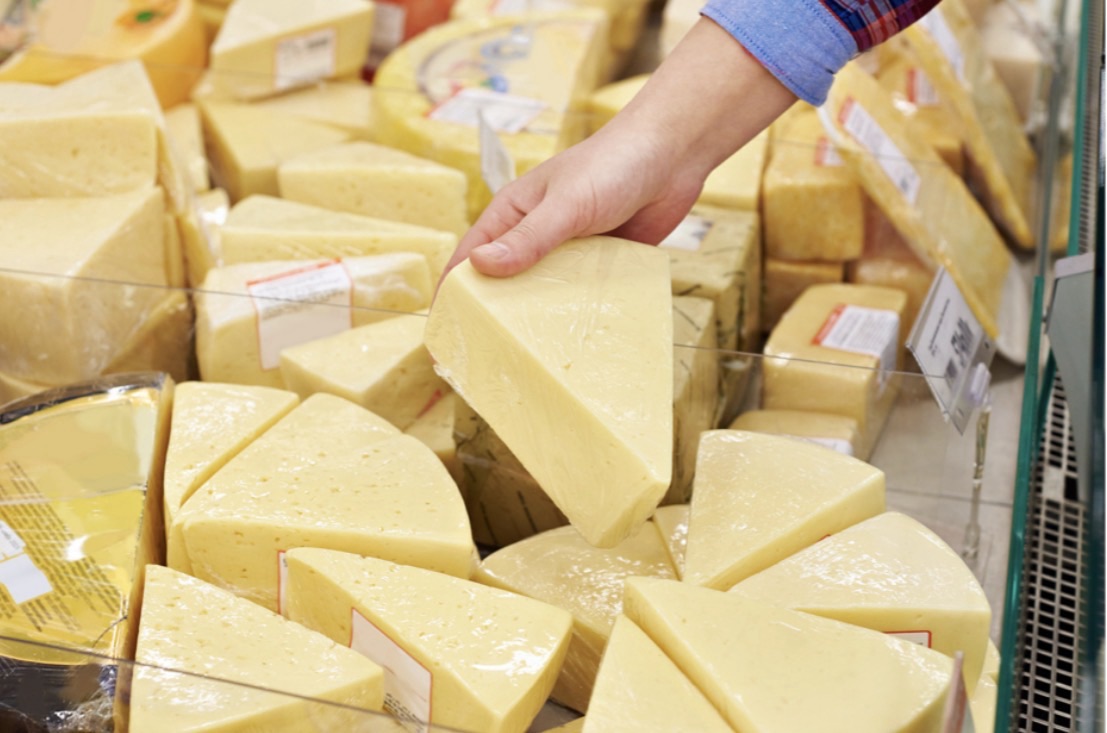
If you’re grabbing a slice in Massachusetts tonight, here’s something you probably want to know: there’s been a recent Class I recall for grated Pecorino Romano and some shredded cheeses because of Listeria concerns. If you’ve got any of the recalled Pecorino Romano or shredded cheese from fall and winter 2025–2026, don’t eat it—just toss it or bring it back to the store right away. Listeria can make people really sick, especially if you’re pregnant, older, or have a weakened immune system.
This post breaks down which products actually made it to Massachusetts stores, what symptoms you should keep an eye out for, and the smart moves to make when you’re ordering or making pizza at home. If you’re dealing with medical bills or think you got sick after eating tainted cheese, a Massachusetts food poisoning attorney can help—most offer a free consult.
Latest Cheese Recalls Impacting Pizza Lovers in Massachusetts
There have been a bunch of recent cheese recalls that hit shredded and grated types—basically the stuff we all love on pizza here in Massachusetts. It’s a good idea to check your labels for brand names and product codes, and if you find a match, just get rid of it or bring it back for a refund.
Recalled Grated Pecorino Romano and Listeria Contamination
The FDA sent out a warning after they found Listeria monocytogenes in certain lots of grated Pecorino Romano. These were sold under the Locatelli Pecorino Romano label and at various retailers, with the recall covering specific batch numbers and best-by dates printed right on the packaging.
If you’re making or serving pizza, steer clear of any grated Pecorino Romano that might be contaminated. Listeria isn’t something to mess with—again, it’s especially dangerous for pregnant people, older adults, and anyone with a weaker immune system. The FDA says to throw it out or return it ASAP, and don’t forget to clean up any surfaces, utensils, or your hands if they touched the cheese.
Key Details on Locatelli Pecorino Romano Recall
Locatelli’s recall gives a full list of UPCs, lot codes, and production dates. If you’ve got any Locatelli grated Pecorino Romano, double-check those details. The company and regulators have a website and phone line you can use for questions or to get your money back.
Stores in Massachusetts (and elsewhere) have already been notified, and restaurants and pizza shops are supposed to check their inventory to make sure nothing recalled is left. If you think you’ve been exposed or are feeling sick, don’t wait—reach out to your doctor or the state health department.
Coverage of Shredded Cheese and Pizza Cheese Recalls
On top of that, there was a bigger recall for a bunch of shredded and pizza cheeses because metal fragments were found during production. Brands sold at chains like Aldi, Target, and Walmart made the list, and it covers a lot of different sizes and label names.
Take a look at your shredded mozzarella, Italian blends, or any pizza cheese for the UPCs and lot numbers listed in the recall. If you spot a match, just get rid of it or return it. Retailers have already pulled the affected products, and the FDA is still updating their recall notices as more codes come up.
Health Risks and Food Safety Actions
Listeria can cause some pretty serious illnesses in certain groups, so if you’ve got recalled cheese at home, you’ll want to act fast. Here’s what symptoms to look for, who’s most at risk, and some practical steps for handling any recalled grated Pecorino Romano or other cheeses. Oh, and a quick note about recall classifications—they do matter for how you should respond.
Symptoms of Listeria and Who Is at Risk
Listeria monocytogenes usually brings on fever, muscle aches, and sometimes stomach troubles like nausea or diarrhoea. It’s sneaky—symptoms might show up days or even weeks after you eat contaminated food, so try to remember what you’ve eaten recently if you start to feel off.
Pregnant people are in a tough spot: infection can lead to miscarriage, stillbirth, premature birth, or even a dangerous infection in newborns. Older adults and folks with weaker immune systems (think anyone on chemo, with diabetes, or organ transplants) have a higher shot at serious infections. Healthy adults might just feel like they’ve got the flu, but if things get worse—persistent fever, stiff neck, confusion—get help right away.
If you or someone you know might have Listeria, doctors can run blood or spinal fluid tests to check. Treatment is antibiotics, and the sooner you start, the better. Be sure to mention if you’ve eaten any recalled cheese or other high-risk dairy products.
Food Safety Guidelines for Massachusetts Consumers
People in Massachusetts should check their receipts, loyalty card histories, and fridge labels for any brands or lot codes in the recall. If you find something, don’t taste it or try to cut into it—just toss it or return it to the store for a refund.
Clean up any surfaces, utensils, or containers that touched the recalled cheese. Use hot, soapy water, then follow up with a diluted bleach solution (1 tablespoon bleach per gallon of water) or an EPA-approved food-safe disinfectant. If you’ve got a dishwasher, run cheese graters and storage containers through on the hottest cycle you can.
Restaurants and pizza places should pull any unused cheese from their shelves and let suppliers know. Foodservice folks shouldn’t use recalled Pecorino Romano on pizza, salads, or in sauces. If you’re not sure what to do, local public health departments in Massachusetts can help with advice on disposal and reporting.
What to Do If You Have Recalled Cheese
First off, stop using the cheese right away. Put it in a sealed bag before you throw it out. If you bought it at a store, bring it back for a refund and hang onto your receipt if you have one. You can also contact the manufacturer’s consumer line for instructions or to let them know where you bought it.
Keep an eye on anyone who ate the cheese for a few weeks—symptoms can take a while—and get medical help if anything pops up. Tell your doctor about the recalled cheese, and if you can, give details like the brand, packaging weight, and expiration or production dates. Also, let the Massachusetts Department of Public Health or your local board of health know if you ate the cheese or got sick; it helps them track cases and contain the problem.
Stores should pull any affected stock, make a note of lot numbers, and work with regulators as needed. Consumers can keep up with the latest by checking the FDA recall notice and their store’s recall updates for any new products or changes in the recall status.
Understanding Class II and Grated Cheese Recalls
So, what exactly is a Class II recall? Basically, it means using the product might lead to temporary or medically reversible health issues—not great, but the odds of something really serious happening are considered pretty low. That’s quite a bit different from a Class I recall, which is reserved for situations where there’s a real chance of immediate, serious harm. Nobody wants that.
When it comes to grated cheese, most recalls pop up because of contamination risks linked to processing equipment, packaging mishaps, or sometimes even the supplier’s ingredients. It’s not usually about the cheese recipe itself. The tricky thing is, grated cheese gets everywhere—it’s in tons of prepared foods—so even if the risk to any one person is pretty small, a lot of people could potentially be affected. If you’ve got grated Pecorino Romano or other shredded cheeses flagged in a recall, it’s smart to play it safe and treat them as possibly hazardous until the all-clear comes through.
Regulatory agencies keep a close eye on how recalls are handled, from ongoing testing to whatever fixes manufacturers are putting in place. They’ll put out updates if more product codes get added to the recall, or if there’s a shift in how the recall is classified. Honestly, it’s worth checking official sources now and then—especially if you’re a consumer or run a foodservice business—just to stay in the loop.