Last updated on August 9th, 2026

The world is wide open, and 2026 is going to be a great year for those who want to travel and have adventures. The journey really starts long before you pack your bags, whether you’re imagining the sun-drenched, descending cliffs of the Amalfi Coast, the busy, neon-lit street markets of Tokyo, or the serene, wind-swept landscapes of Patagonia. It starts with the challenging and nail-biting task of getting your flight.
It takes planning, patience, and a lot of insider knowledge to get the right itinerary without spending all of your holiday money. If you’re not sure how to deal with the complicated and always shifting world of airline prices this year, you’ve come to the right place. Let’s break down the timeline for getting your boarding passes so you can get the most for your money.
The Evolution of Airfare Pricing

There was a time when booking a flight at midnight on a Tuesday ensured the cheapest tickets. The aviation business has changed a lot. Today, ticket prices are set by very advanced AI-powered algorithms that change prices every minute depending on current demand, past buying patterns, seasonal trends, and even events in the area.
To beat these changing systems, travelers need to stop looking for a magical, universal booking day and start learning about larger, statistically verified booking periods. Your best advantages are being flexible, being ready, and understanding precisely when airlines change their inventory.
Not Too Early, Not Too Late

Timing is key when you book your seat in the sky. If you buy your tickets too long in advance, you could have to spend more than you need to. On the other hand, if you wait until the last minute, the prices nearly always go up.
- Domestic and Regional Travel: The best time to buy tickets for trips within your home nation or continent is usually between one and three months before you go. Airlines start taking care of their domestic inventory more seriously around 45 days before the flight. Setting up automatic price alerts a few months in advance gives you an advantage when the algorithm lowers the base rate.
- International and Long-Haul Adventures: Crossing seas and going across several time zones takes a lot more planning. For complicated, multi-country trips, try to buy your tickets two to eight months in advance. When you finally click “confirm” on that one big flight, you may feel relaxed since you got a good price before the international inventory became tight. If you really want to go to a popular place during its busiest season, you should strongly consider the beginning of that eight-month period.
Let the Calendar Be Your Guide
When you should make your reservations depends on where you are going. The travel industry across the world works in different seasonal patterns, and it’s important to keep your wallet in sync with these patterns to stay on budget.
- Peak Season Thrills: Are you going to take a conventional European summer vacation or a tropical Caribbean winter vacation? During these busy times, you need to prepare ahead and be ready for everything. During school breaks and vacations, inventory disappears quickly. When millions of other people are seeking to go to the same sunny beaches or ancient cities, last-minute offers are rarely available. Try to finish your travel requirements at least five to six months before you go.
- Shoulder Season Sweet Spots: Smart travelers still see spring and fall as the best times to travel. Not only are the most popular places in the world considerably less crowded, but airlines also offer much better prices to fill their cabins. You can easily finish making your vacation preparations two to three months before a trip during the shoulder season. You’ll enjoy the advantages of better weather and reduced rates.
- Off-Peak Explorations: If you’re ready to experience a cold European winter (excluding the holidays in December) or a tropical place during its monsoon or hurricane season, you’ll discover a lot of great deals. During slow seasons, airlines sometimes cut costs by a lot to fill vacant seats, so you may get a great deal only a few weeks before you go.
Dispelling Persistent Travel Myths
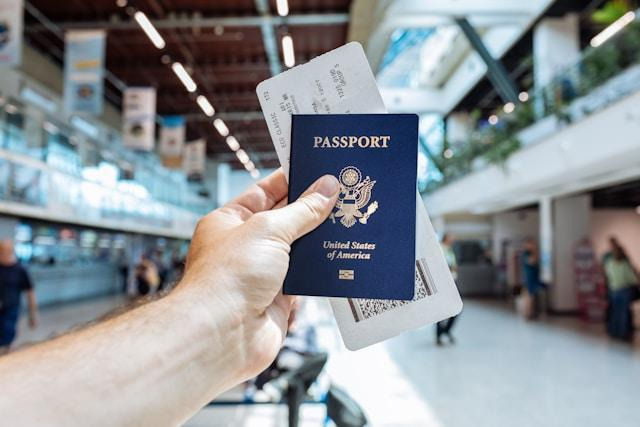
There is a ton of old advice on flight tickets on the internet. Let’s clear up these misunderstandings for your 2026 adventures and put them to rest for good.
The Tuesday Myth is no longer true. It’s usually cheaper to leave on a Tuesday or Wednesday than on a busy Friday or Sunday, but the day of the week you buy the tickets doesn’t make much of a difference in terms of statistics.
Don’t worry about what day of the week you push the “buy” button. Instead, think about what day of the week you really travel. Mid-week departures always save the most money across the board. Also, think about looking at other airports. Sometimes, landing in a secondary, regional hub only an hour away from your main destination might save you hundreds of dollars on your trip.
Actionable Strategies to Implement Today
To make sure you never spend too much for your flights, add these current tips to your trip-planning routine:
- Automate Your Vigilance: Use current monitoring tools specialized smartphone tracking apps to make your vigilance effortless. Type in the routes you want to take, and the program will keep an eye on the daily changes and let you know when rates drop below the historical average.
- Embrace Incognito Browsing and VPNs: Many travelers swear by browsing incognito or using a Virtual Private Network to avoid price spikes based on repeated route searches and location data, even though this is a hot topic among industry experts. It makes sure you see the most objective base rates that are accessible throughout the world.
- Consider Split Ticketing: Sometimes, buying two separate, one-way tickets on different airlines that are competing with one another is far cheaper than buying a round-trip ticket from one airline.
Conclusion
You can plan your journey with complete assurance if you know how algorithmic pricing works, stick to specific reservation times for domestic and international travels, and use modern tracking tools. The skies are calling, and with these expert tips, you may answer the call without spending a lot of money. Have a safe trip, and I hope your next trips are even more amazing than the last ones!