Wearing comfortable clothing and blocking noise can help you sleep better on long-haul flights without taking pills. Try to adjust to your destination’s time to reduce jet lag. It’s also a good idea to relax your mind and avoid stress before boarding.
Have you ever stepped off a long flight feeling so tired that you couldn’t enjoy the first day of your trip? Long hours in the air can leave you feeling drained. If you experience significant fatigue several days later, you’ll benefit from getting better-quality sleep during long flights.
What Flights Are Considered Long-Haul?
Those that last six hours or more. Many international routes and some interstate domestic flights fall into the long-haul category. These are the challenges you may face during such a flight:
- Muscle stiffness from sitting too long
- Trouble falling asleep
- Jet lag after arrival
Knowing what to expect allows you to prepare before boarding.
Should You Sleep on a Long-Haul Flight?
In most cases, yes. Sleeping during a long-haul flight can help your body recover. It also makes it easier for you to adjust to a new destination.
If your flight arrives early in the morning, try to sleep for most of the journey. It will help you feel refreshed during the local morning time. If your destination time falls in the middle of the day, take short naps to preserve your regular routine.
Tips for Sleeping on Long-Haul Flights Without Pills
Sleeping naturally during a long-haul flight often works better than relying on medication. With a few adjustments, you can avoid feeling groggy after landing.
Prepare Your Brain Before Boarding
Calm your mind before a flight to help your body recognize that you’re about to sleep. Consider these tips:
- Avoid caffeine for a few hours
- Listen to calming music
- Limit looking at screens
- Wear noise-canceling headphones
Many travelers pack sleep aids like melatonin and herbal products to help them rest during long flights. Gamma-aminobutyric acid (GABA) supplements are also popular for their calming effects.
However, it’s unclear how much GABA from supplements reaches the brain. Instead of depending on these, build healthy sleep habits. You can also learn how to increase GABA naturally. Consider breathing exercises to help your body calm down during the flight.
Wear Comfortable Clothing
Tight clothing will make you feel uncomfortable after several hours on a flight. Go for soft layers so you can adjust if cabin temperatures change. Wearing comfortable socks and loose shoes also helps your feet feel comfortable during long flights.
Choose the Right Seat
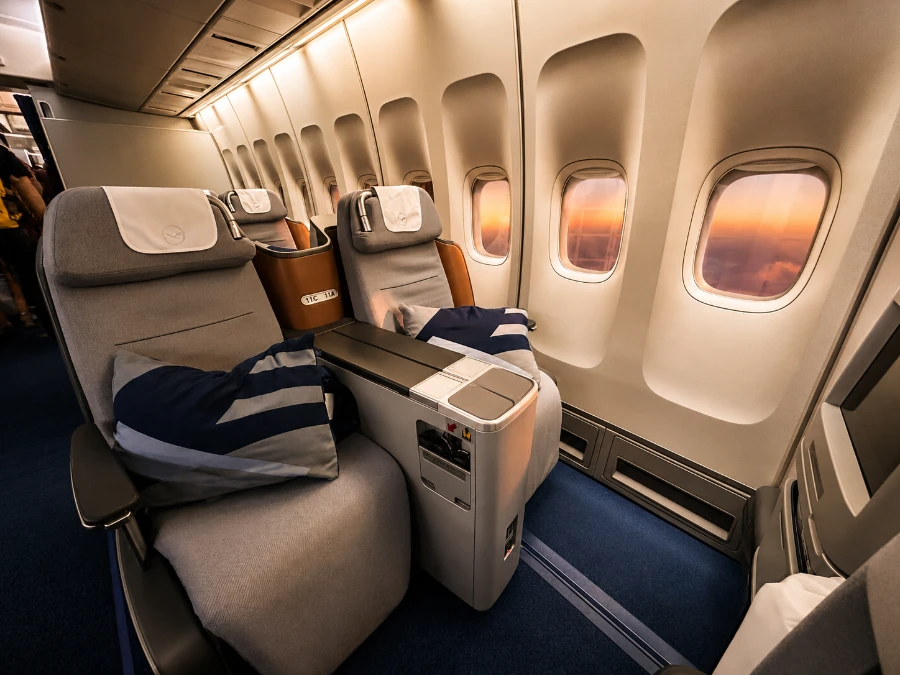
Window seats usually offer more privacy for sleeping. You won’t have to move every time another passenger needs to get out of their seat. Leaning against the wall also provides extra support for your head.
If you need to get up more frequently, consider aisle seats during long flights. You can stretch your legs and use the restroom whenever you need, without interrupting other passengers who might also be resting.
Sleep Better on Your Next Long-Haul Flight
Long-haul flights don’t have to leave you feeling exhausted. Calm your body, pack sleep-friendly items, and limit caffeine. Try different methods to find what works best for you.
Having better sleep in the air means you’ll have more energy to enjoy your destination. Get more travel insights on our page.