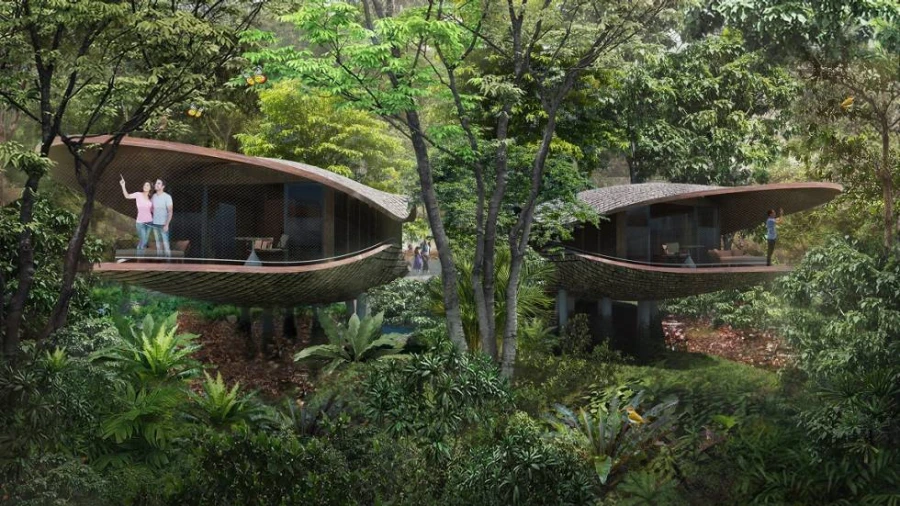
Source: Pexels.com
In design and development work, an idea, no matter how brilliant, may not be a deciding factor in a new project. It isn’t unusual for clients to go for a company that can clearly show them the end product, and they can even picture it in their minds before any project has even started.
For a landscape architect today, strong visualization is a top reason why customers are converted into their clients. They are able to explain the design concept to their customers in a much clearer way, which ultimately helps them establish the design contract relationship with the potential clients as well as to increase the chances of winning the project.
Turning Concepts Into Clear Visual Stories
Perhaps one of the greatest obstacles for landscape designers is helping clients visualize the completed space. Although drawings and the spoken word provide some understanding, they do not guarantee the clients’ complete grasp of what the outcome will look like.
Professional solutions such as DynaScape design tools help designers create detailed, presentation-ready plans that transform ideas into clear visual representations. By combining accurate landscape layouts with polished client presentations, they make it easier for clients to visualize the finished project and feel confident approving the design. Landscape professionals can also produce detailed layouts, planting plans, and visual concepts that are easier for clients to understand. When clients can see a realistic vision of a project, they often feel more confident moving forward.
Building Client Confidence and Trust
Projects usually need a vote of confidence to get approved. When the client believes they can see where they will be based on the description, they are more likely to invest.
Precisely prepared plans and beautiful visualizations are a sure mark of a professional and a thorough person. Designers show they have considered the project from many angles and are thinking not only about how it will look but also how it will be used and what the client needs from the product. Being thorough with the details can be a big plus for establishing trust and the project designer’s reputation.
Reducing Revision Cycles
Revision work can be highly time-consuming for both the design team and the customer. Quite often, a project ends up needing design rework simply because the project’s concept was not properly communicated.
The ability to pre-visualize means that possible issues can easily be brought to light at an early stage. Clients can review drawings of different layout combinations, make suggestions, and request changes long before any fitting has started. This results in fewer errors and better overall project quality.
Creating More Effective Client Presentations
Presentations often mark the moment when a potential client decides to proceed with a project. Well-designed visuals can turn such meetings into attractive and unforgettable experiences.
Instead of just describing, designers can walk clients through detailed plans and realistic renderings of the proposed landscape. It also means that designers will present their ideas in a manner that’s easily understood and engaging. That means clients will be able to appreciate the value of the concept to be delivered by the designers.
Streamlining Design Workflows
Visualization tools are much more beneficial than a way of communicating with clients. They also assist the internal team in working more efficiently during the whole design phase.
Digitally planning allows for faster revisions since it’s easier to maintain consistency of different documents. Designers can make small changes to the layout instead of the entire plan, which saves time and keeps the accuracy. Definitely, this type of setup would result in a more relaxed and organized style of working.
Driving Long-Term Business Growth
Visualization has increasingly become a significant feature of today’s landscape architectural design. Most clients would prefer to get clear plans showing how the project would actually look, through detailed plans and realistic presentations, before they commit money.
Designers who use advanced visualization tools have an advantage in convincing clients and securing new commissions. Well-made visuals are a great way to put the client at ease, show them you know what you’re doing, and ultimately secure their approval. When landscape architects couple their design abilities with high-end visualization software, not only do the results become more compelling and accurate, but their clients also have a pleasant experience and a basis for long-term collaboration.