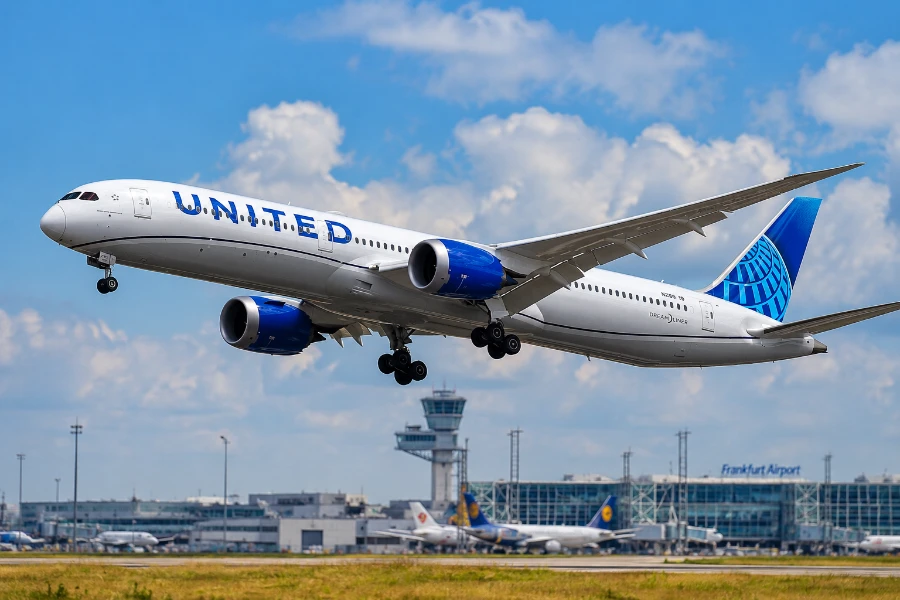
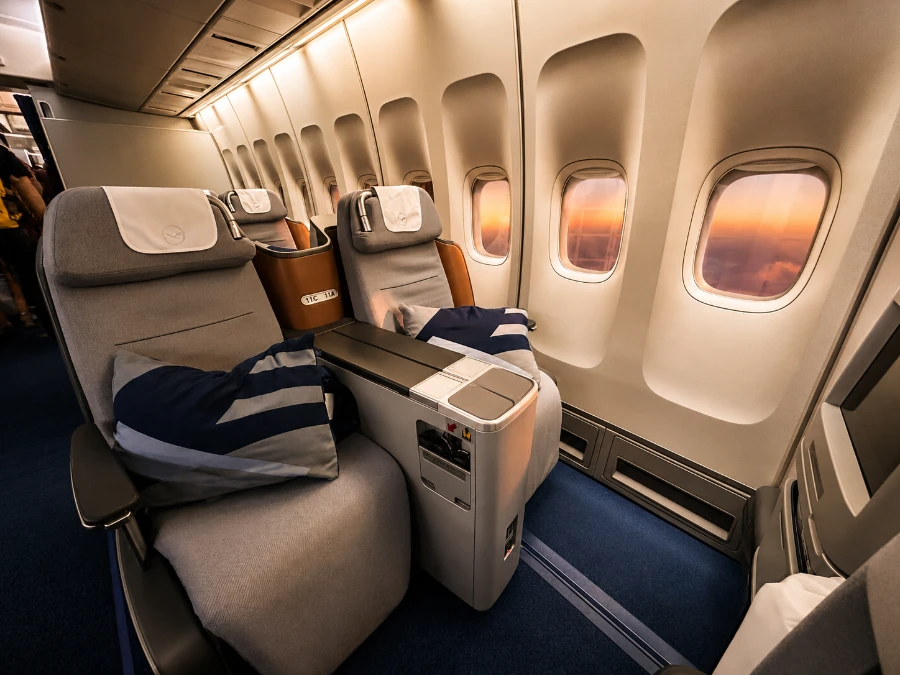
Your apartment does not stop facing risks when you leave town. A burst pipe can soak floors and furniture while you’re boarding a flight home. A kitchen fire in a neighboring unit can spread through the building while you’re attending meetings across the country. Even a simple break-in becomes far more expensive when nobody is around to spot the damage for days.
Frequent travelers face a different set of concerns than the average renter. Time away from home often means longer periods before problems are discovered. At the same time, many of the items travelers rely on most rarely stay inside the apartment. Laptops, cameras, tablets, luggage, and other expensive belongings regularly move between airports, hotels, rental cars, and temporary accommodations.
That reality makes renters insurance far more valuable than many travelers realize. A strong policy can extend protection well beyond the walls of an apartment, covering personal belongings while they’re on the road and providing financial protection if theft, loss, or damage occurs hundreds or even thousands of miles from home.
The strongest renters insurance providers for frequent travelers combine broad personal property coverage with dependable protection for belongings carried around the world. Features such as off-premises coverage, high limits for electronics, simple digital claims processes, and access to support while traveling can make a major difference when something goes wrong far from home.
The eight insurers featured below stand out for their ability to protect renters who spend substantial time away from home. They are particularly well suited to frequent business travelers, remote workers, digital nomads, and anyone who regularly takes extended trips.
Why travelers need renters insurance
Renters insurance covers two things travelers care about: the stuff in your apartment and the stuff you bring with you.
Personal property coverage protects your belongings against theft, fire, vandalism, and certain water damage, whether those belongings are sitting in your closet or packed in a suitcase halfway around the world. If someone breaks into your hotel room in Barcelona and steals your laptop, your renters insurance may reimburse you at replacement cost.
Liability coverage matters too. If a guest staying at your place while you’re away trips on a rug and breaks a wrist, your policy covers their medical bills and any legal fees. If you accidentally damage someone else’s property while traveling, liability coverage from your renters policy may apply, depending on the circumstances.
Loss-of-use coverage helps if your apartment becomes uninhabitable from a covered event while you’re gone. You’d have a policy to fall back on for temporary housing costs while the landlord makes repairs.
Travel insurance and renters insurance serve different purposes. Travel insurance covers trip cancellations, flight delays, and medical emergencies abroad. Renters insurance covers your property and liability. Frequent travelers benefit from having both.
8 best renters insurance policies for travelers
1. Lemonade: best worldwide personal property protection
Lemonade covers personal property worldwide on every renters policy, which makes it a natural fit for travelers. Your laptop in a hotel safe, your camera in a checked bag, and the clothes in your suitcase all fall under the same coverage that protects items in your apartment. Replacement cost is available for qualifying claims. In those cases, stolen or damaged gear gets valued at current prices rather than depreciated amounts. The AI claims system processes simple cases almost instantly through the app, a practical advantage when you’re filing from a different time zone and can’t sit on hold with a US call center.
Policies start at $5 per month, and signup takes about 90 seconds. Extra Coverage protects jewelry, cameras, bikes, and instruments with zero deductible and accidental loss included. Bundling with car insurance saves up to $488 per year, and adding pet insurance saves up to $94 per year. The app carries a 4.9 rating on the App Store. The company holds a strong financial stability rating from Demotech and operates as a certified B-Corp.
Best for: Travelers who want worldwide personal property coverage and app-based claims filing from any time zone.
One thing to know: Lemonade isn’t available in every state, so confirm your home address qualifies before signing up.
2. Allstate: best for home-sharing hosts who travel
Allstate averages around $143 per year and offers a unique HostAdvantage coverage option for renters who list their place on home-sharing platforms while they travel. If a guest damages your apartment, this add-on can cover the costs.
The Claim RateGuard feature keeps your premium stable after a claim, which provides reassurance for travelers who worry about rate hikes from luggage theft or apartment break-ins while they’re away. You can also add identity theft protection to the policy.
Best for: Travelers who rent out their apartments on home-sharing platforms while away.
One thing to know: J.D. Power customer satisfaction scores fall below the industry average, and some policyholders report frustration with the claims process.
3. State Farm: best for bundling with travel-related auto coverage
State Farm’s average rate of about $110 per year makes it one of the cheapest options for travelers on a budget. The company’s local agent network can help you understand exactly what’s covered when you’re abroad and what falls under a separate travel insurance policy.
Bundling renters with auto insurance creates savings, and State Farm’s broad availability means most travelers can access coverage regardless of where they live. The app and website handle basic policy management, though you’ll get more thorough service through an agent.
Best for: Budget-conscious travelers who want low rates and agent access for coverage questions.
One thing to know: The tech experience doesn’t match newer competitors. Online-only purchasing isn’t available in every area.
4. USAA: best for military travelers
Military service often means frequent relocation and travel, and USAA understands that. The company’s renters insurance includes flood and earthquake coverage in standard policies, a rare feature that protects your apartment’s contents against risks most competitors charge extra for.
Average rates sit around $146 per year, and customer satisfaction scores rank among the highest in the industry. The electronics and tech package add-on is valuable for travelers carrying multiple devices.
Best for: Active military members, veterans, and their families who travel or relocate.
One thing to know: Membership is restricted to military-affiliated individuals and their immediate families. Most renters aren’t eligible.
5. Nationwide: best for brand-new replacement coverage
Nationwide offers a brand-new belongings option that replaces damaged items with new equivalents at current prices, rather than paying depreciated values. For travelers who own current-model electronics and recent-purchase clothing, this feature preserves value better than actual cash value policies.
Up to $25,000 in identity theft protection adds another layer of security for travelers who use public Wi-Fi and hotel networks. Average rates come in at approximately $193 per year.
Best for: Travelers who want new-for-old replacement on damaged belongings.
One thing to know: Rates are well above the national average, and the extra features may not justify the price difference for budget-minded travelers.
6. Progressive: best for existing auto insurance bundlers

Progressive sells renters insurance through third-party underwriters like Homesite. The main advantage for travelers is bundling: if you already carry Progressive auto insurance, adding renters coverage creates multi-policy savings.
The Name Your Price tool helps you find coverage that fits your budget. Quote turnaround is fast, and multiple payment options make it flexible.
Best for: Travelers who already have Progressive auto insurance and want convenient bundling.
One thing to know: Because third-party carriers underwrite the policies, the claims experience can differ depending on which company backs your specific policy. You may not interact with Progressive at all when filing a claim.
7. Travelers: best from a heritage carrier
Travelers (the insurance company) charges an average of about $155 per year for renters coverage. The company has operated since 1864, and that track record translates into financial stability and a broad coverage portfolio.
Valuable items coverage handles jewelry, art, and collectibles at scheduled amounts, useful for travelers who keep expensive items in their apartments. Identity theft protection up to $25,000 is available, and the mobile app manages policy details.
Best for: Renters who value financial stability and want coverage from one of the oldest US insurers.
One thing to know: Customer satisfaction scores from J.D. Power are below average, and the claims process can be slower compared to digital-first providers.
8. Liberty Mutual: best for customizable coverage limits
Liberty Mutual offers flexible coverage limits and a range of add-on options that let travelers tailor their policies. The company provides coverage across most US states and has a well-established claims infrastructure.
Inflation protection coverage adjusts your limits over time to keep pace with rising replacement costs. This is useful for long-term travelers whose belongings appreciate or change over time.
Best for: Travelers who want fine-grained control over coverage limits and add-ons.
One thing to know: Rates tend to run higher than the national average, and some policyholders report slower claims processing than competitor reviews suggest.
Renters insurance vs. travel insurance: what’s the difference?
These two products cover different things, and frequent travelers should understand where each applies.
Renters insurance protects your personal property (anywhere in the world, with most policies), provides liability coverage, and covers loss of use if your rental becomes uninhabitable. It doesn’t cover trip cancellations, flight delays, or medical emergencies abroad.
Travel insurance covers trip-specific risks: cancellations, delays, medical emergencies, and emergency evacuation. It doesn’t cover your apartment or belongings left at home.
If your luggage is stolen from a hotel room, renters insurance covers the contents. If your flight is cancelled and you need reimbursement for the nonrefundable hotel booking, travel insurance covers that. Frequent travelers benefit from carrying both.
What about coverage for a vacant apartment?
Most renters insurance policies remain in effect even when your apartment is empty. Your belongings are still covered against theft, fire, and other named perils. Liability coverage continues protecting you.
Some policies include vacancy clauses that limit coverage after your unit has been unoccupied for 30 to 60 consecutive days. If you plan to travel for extended periods, read the fine print on your policy. Lemonade’s policies cover your property whether you’re home or away, but reaching out to your insurer before a long absence is a smart practice.
If you sublet your apartment while traveling, coverage gets more complicated. Most standard renters policies don’t extend to subletter belongings or cover damage caused by a subletter. Some insurers, like Allstate with its HostAdvantage coverage, offer specific add-ons for this scenario.
How to choose the best renters insurance for travel
Compare policies with these priorities in mind:
- Worldwide personal property coverage. Confirm your policy covers belongings outside your apartment, including overseas.
- Extra coverage for valuables. If you travel with expensive electronics or cameras, make sure they’re protected at full replacement cost.
- Claims speed. When you’re abroad and dealing with stolen property, fast claims processing matters. Digital-first insurers tend to be faster.
- Loss-of-use coverage. Verify what happens if your apartment is damaged while you’re away and you can’t return.
- Vacancy terms. Check whether extended absences affect your coverage.
- Price. Renters insurance is affordable, so don’t sacrifice coverage quality for a few dollars per month.
Smart renters insurance for frequent travelers in 2026
Travelers who split their time between home and the road need insurance that works in both places. Lemonade’s worldwide personal property coverage, app-based management, and fast claims processing make it the strongest overall pick for renters who travel. For specific needs like home-sharing coverage (Allstate), military benefits (USAA), or agent-based support (State Farm), other providers fill those niches. The key is choosing a policy before your next trip, not after something goes wrong.
Does renters insurance cover my belongings overseas?
Most renters insurance policies cover personal property worldwide. That includes items stolen from a hotel room, lost luggage contents, or belongings damaged during travel. Lemonade’s policy covers personal property anywhere in the world, whether you’re across town or on another continent. Check your specific policy for any geographic restrictions or sub-limits on certain item categories.
Will renters insurance reimburse me for stolen luggage?
Renters insurance can reimburse you for the contents of stolen luggage, but the luggage itself may fall under airline responsibility. Your policy covers personal property like clothing, electronics, and toiletries stolen from checked or carry-on bags. File a claim through your renters insurer for the contents and contact the airline for the bag itself.
Does my coverage change if my apartment is vacant?
Most policies stay active when your apartment is empty. Some carriers include vacancy clauses that reduce coverage after 30 to 60 days of continuous vacancy. If you plan an extended trip, review your policy terms or contact your insurer. Lemonade’s policies cover your belongings whether you’re home or traveling.
Should I get travel insurance in addition to renters insurance?
Yes, if you travel often. Renters insurance covers your property and liability but doesn’t cover trip cancellations, flight delays, or medical emergencies abroad. Travel insurance handles those trip-specific risks. The two policies complement each other, and carrying both gives you the broadest protection.
Is hotel theft covered by renters insurance?
Yes. If someone steals your belongings from a hotel room, your renters insurance policy covers the loss, subject to your deductible and coverage limits. Document what was stolen, file a police report, and submit a claim. Lemonade’s app lets you file claims from your phone, which is convenient when you’re away from home.
Can I sublet my apartment and keep my renters insurance?
Standard renters policies typically don’t cover a subletter’s belongings or damage caused by a subletter. Your personal property remains covered, but the subletter needs their own policy. If you plan to sublet while traveling, check your policy’s terms and consider providers that offer home-sharing or subletting add-ons.