Last updated on August 30th, 2026
Before a journey, most people spend weeks researching a destination and cramming every day with activities. Then they come home feeling more drained than when they left. This common complaint among frequent travelers points to a deeper problem with how we approach trips.
Travel has become a performance. Between overstuffed itineraries and constant pressure to document everything for social media, the enjoyment of being somewhere new fades into exhaustion. As a result, many frequent travelers return to time-tested planning tools like weekly planners to balance logistics, downtime, and priorities before leaving home. That shift in preparation changes the entire rhythm of a trip. It starts before you board the plane and carries through every stop along the way.
Why Modern Travel Feels More Exhausting Than Exciting
There was a time when booking a flight and a hotel was enough preparation. Now travel involves syncing group itineraries across four apps, keeping up with real-time restaurant reviews, and curating social content along the way. By the time you land, you’ve spent more mental energy on the trip than on most work projects.
A 2024 Stress in America report by the American Psychological Association found that vacations don’t always reduce stress, especially when travelers feel pressured to make every moment count. That pressure leads to decision overload: where to eat, what to see, which neighborhood to walk through first. Add constant phone notifications, and it’s no surprise travel fatigue has become a recognized phenomenon.
Most exhaustion comes from how we plan and execute a trip, not from traveling itself. When every destination feels like a project with deliverables, rest is the first thing cut from the schedule.
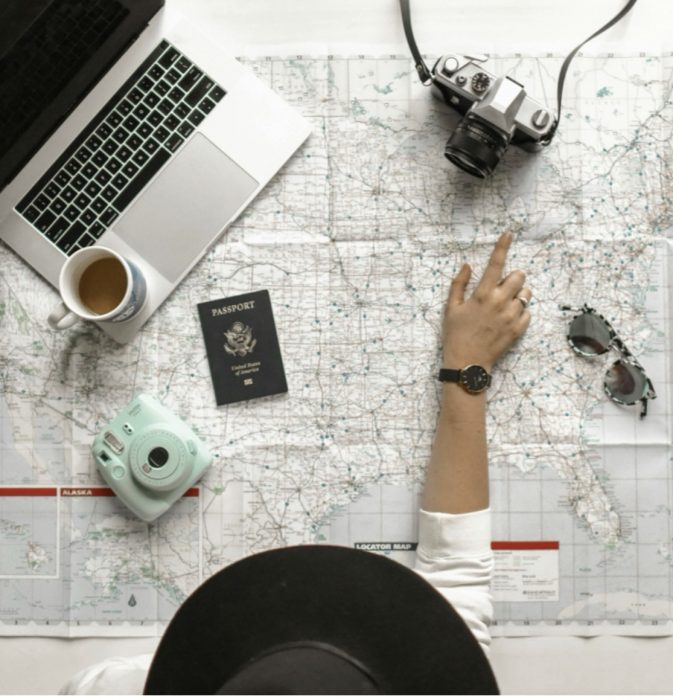
Create Systems Before You Leave
The best trips tend to have structure beneath the surface, even when they feel spontaneous. A few simple systems set up before departure can reduce stress significantly.
Build a Flexible Itinerary
Rigid hour-by-hour plans fall apart quickly, especially across time zones. A better approach is outlining two or three priorities per day and leaving the rest open. This gives your trip direction without turning it into a task list.
Prepare a Pre-Trip Checklist
Packing and logistics go smoother when you don’t reinvent the process every time. A reliable checklist helps with that. Here are a few things worth including:
- Transportation confirmations and offline copies of all booking details
- Downloaded offline maps for each destination
- A rough daily budget with some flexibility built in
- Scheduled windows for rest or journaling
Schedule Recovery Days
Not every day needs a plan. Building a buffer day, especially after long flights or packed sightseeing stretches, protects your energy for the moments that matter most.
The Importance of Reflection While Traveling
Travel moves fast. New cities, faces, food. Without a way to process those experiences, they tend to blur together by the time you’re home. Reflection doesn’t require hours of dedicated time but does need space.
Some travelers use tools like a self reflection kit to capture thoughts, experiences, and personal insights during longer trips. A few minutes at the end of each day spent writing down what stood out or surprised you can deepen your connection to the places you visit.
Research published in Psychological Science suggests that people who reflect on their experiences retain more detail and report higher satisfaction with those experiences afterward. That’s a solid case for carrying a notebook in your bag instead of relying on camera rolls alone.
How to Stay Present During Your Trips
Presence sounds like a vague goal until you notice how rarely you experience it while traveling. How often do you reach for your phone the moment something beautiful appears?
Staying present takes practice and helps to build small rituals into your travel days. Morning coffee without a screen. A walk through a neighborhood with no destination in mind. Sitting in a park for twenty minutes, watching people go about their routines. Those unscheduled stretches often turn out to be the ones you remember most clearly months later.
Limiting photo-taking also helps. Instead of documenting every meal and street corner, choose a few moments each day worth capturing. Let the rest exist just for you.
Small Habits That Make Travel Better
You don’t need a complete lifestyle overhaul to improve how you travel. A handful of small habits repeated consistently make a noticeable difference. These are some of the most effective ones:
- Review the next day’s loose plan each evening so mornings feel calm
- Leave at least two hours of unscheduled time per day
- Prioritize sleep, especially during the first two nights in a new time zone
- Pack lighter than you think you need to
- Set aside ten minutes each night for writing or quiet reflection
These habits take almost no extra effort but shift your travel experience from reactive to deliberate.