

Last updated on March 8th, 2026
From the neon-lit chaos of Shinjuku to the serene gardens of Meiji Shrine, Tokyo is a city where two days can feel like a lifetime of experiences. Whether you’re hunting for the perfect bowl of ramen at 2 AM or capturing sunrise at Senso-ji Temple, this Tokyo Weekend Guide blends practical planning with the kind of moments that make you want to come back.
Here’s your ultimate Tokyo Weekend Guide for an unforgettable 48 hours in Japan’s electric capital.
Why Tokyo Makes the Perfect Weekend Escape
Tokyo delivers on every level for a quick getaway:
🚇 Trains that arrive exactly on time, every time
🍜 World-class dining from $8 ramen to Michelin-starred sushi
🏯 Ancient temples steps away from futuristic skyscrapers
🎮 Pop culture experiences you won’t find anywhere else
🌸 Seasonal beauty in every neighborhood
I’ve done the Tokyo weekend rush more times than I can count, sometimes jet-lagged, sometimes over-caffeinated, always enchanted. Trust me when I say that with the right Tokyo Weekend Guide strategy, 48 hours here feels like a complete adventure.
For those looking to extend their stay, check out our comprehensive Japan tour packages that include Tokyo and beyond.
Where to Stay in Tokyo: Tokyo Weekend Guide Neighborhoods
Location matters in Tokyo. Your neighborhood choice shapes your entire weekend experience. Here are the best areas for different travel styles.
Shinjuku: Heart of Tokyo’s Energy
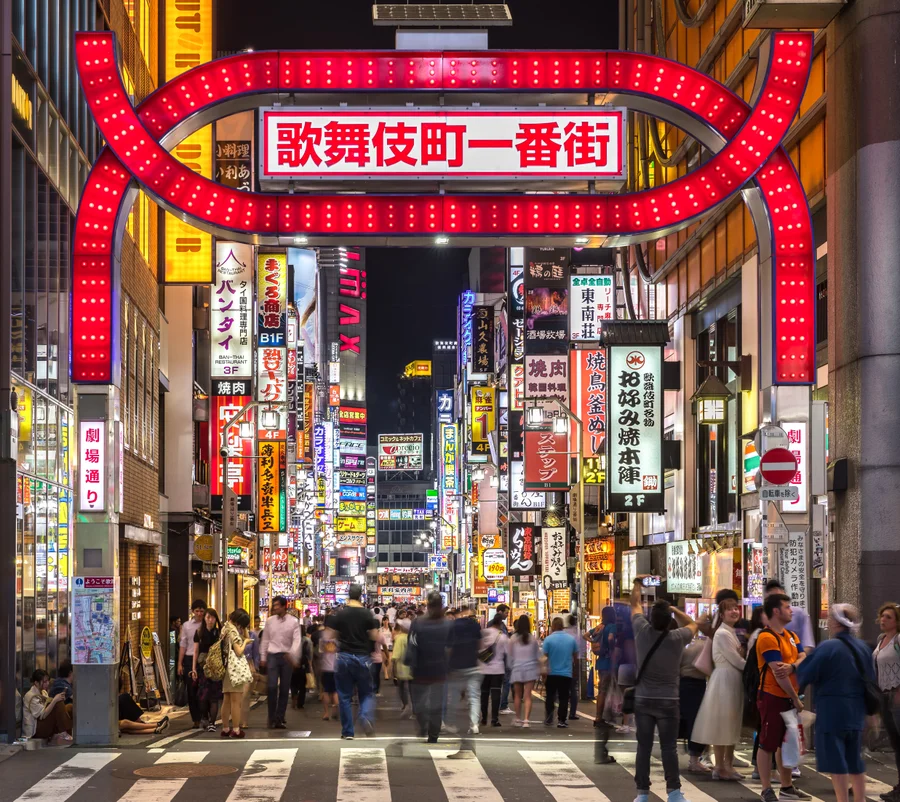
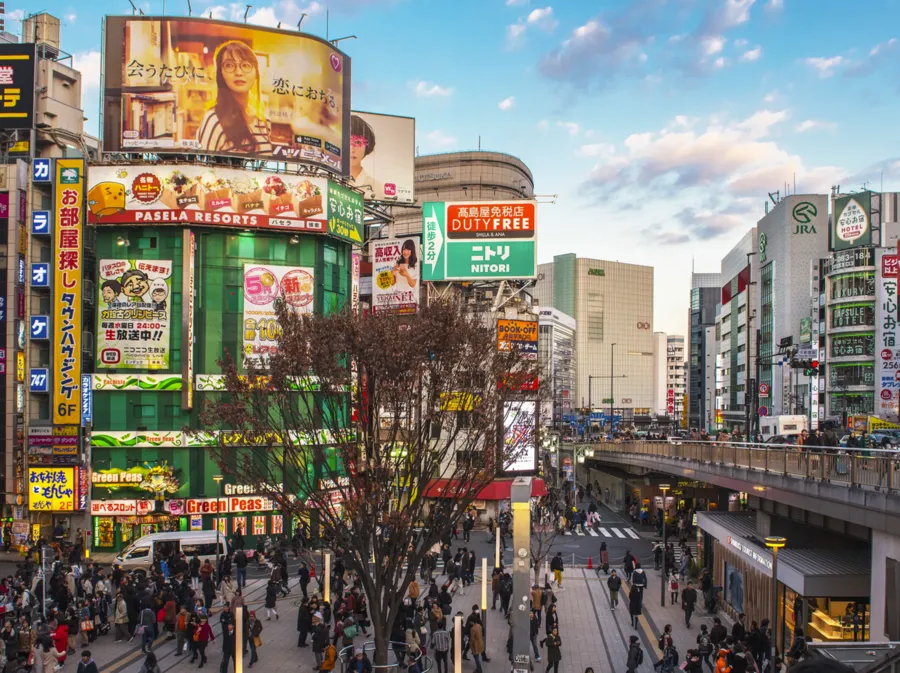
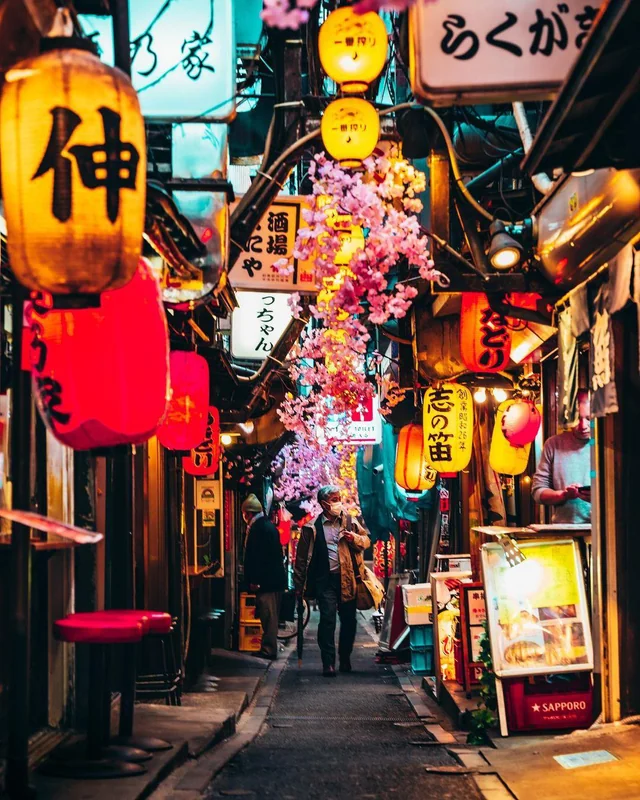
Shinjuku hits you with everything at once. Neon lights reflecting off wet streets, ramen shops open until dawn, towering hotels with panoramic views, and those famous narrow izakaya alleys where salarymen unwind after work. This is where I always send first-timers who want to feel Tokyo’s pulse immediately.
The area surrounds the world’s busiest train station, which sounds overwhelming but actually means incredible convenience. You can walk to Shinjuku Gyoen National Garden for peaceful morning strolls, then hit Golden Gai’s tiny bars after midnight, all without leaving the neighborhood.
- Area: Central Tokyo, West Side
- Highlights: 24-hour energy, best nightlife, free government building observation deck
- Perfect for: First-timers, nightlife lovers, anyone who wants everything accessible
Top Hotels in Shinjuku
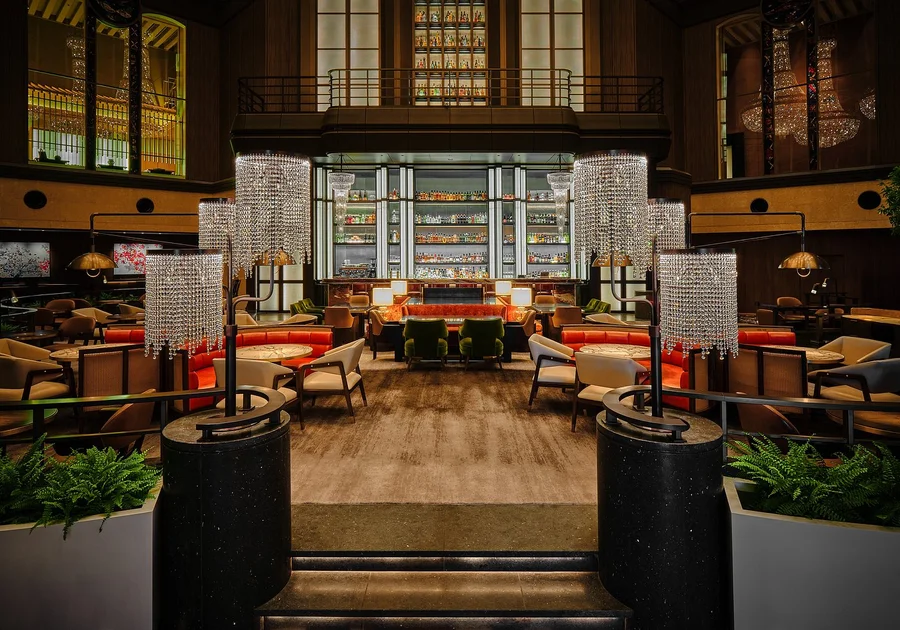
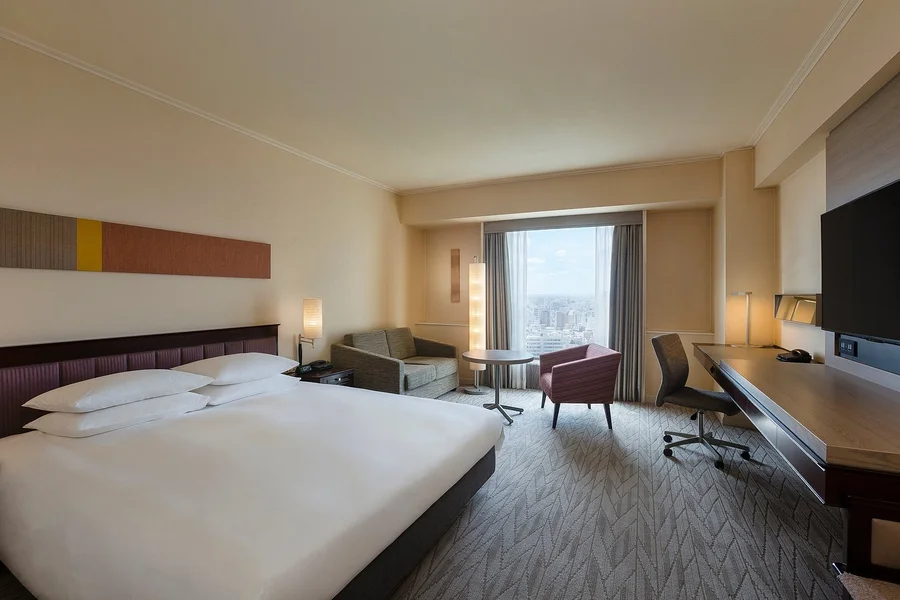
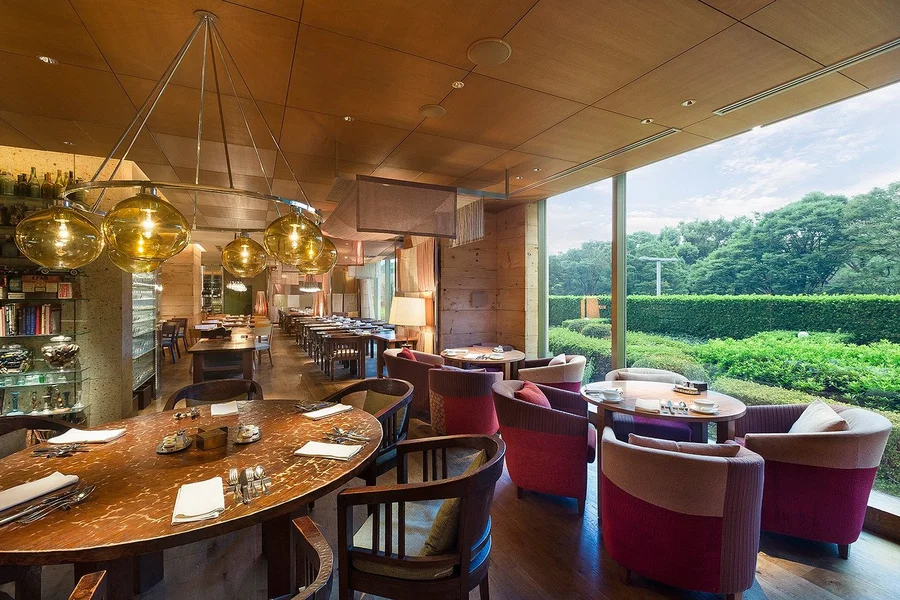
Hyatt Regency Tokyo offers classic comfort with sweeping city views from its tower location. The rooms feel spacious by Tokyo standards, and waking up to see Mt. Fuji on clear mornings never gets old.
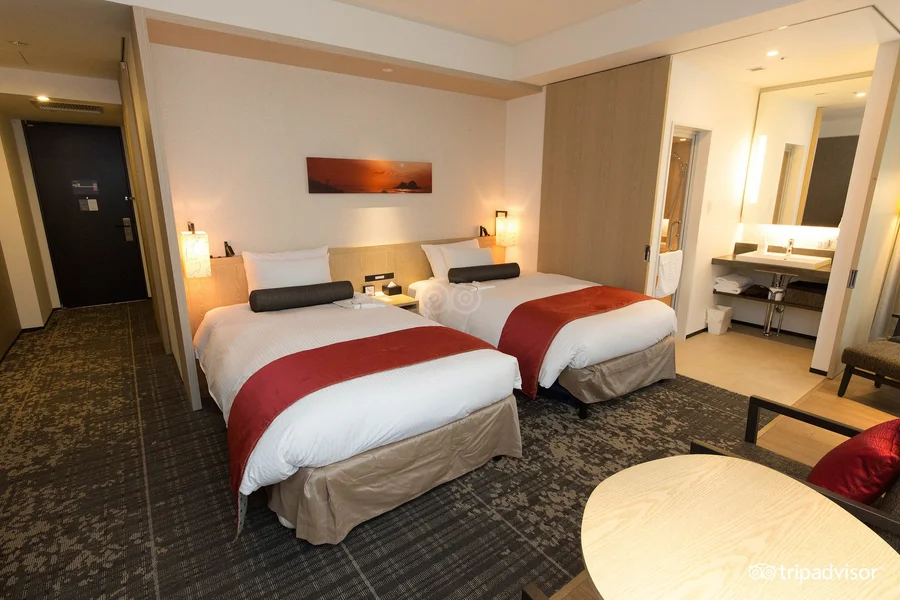
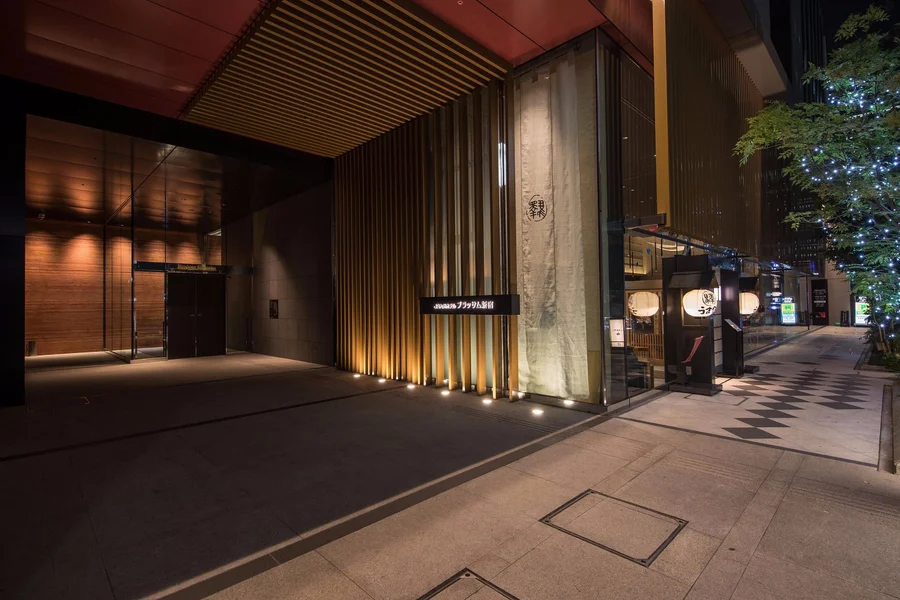
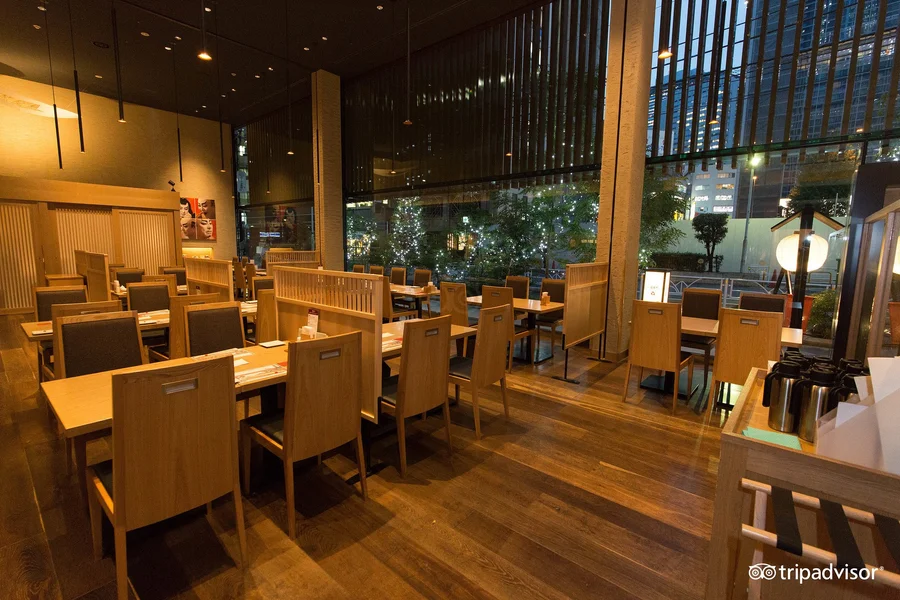
JR Kyushu Hotel Blossom Shinjuku brings modern Japanese design to the center of everything. The location is unbeatable, connected directly to Shinjuku Station, and the aesthetic balances contemporary style with subtle traditional touches.
Shibuya: Where Tokyo’s Youth Culture Lives
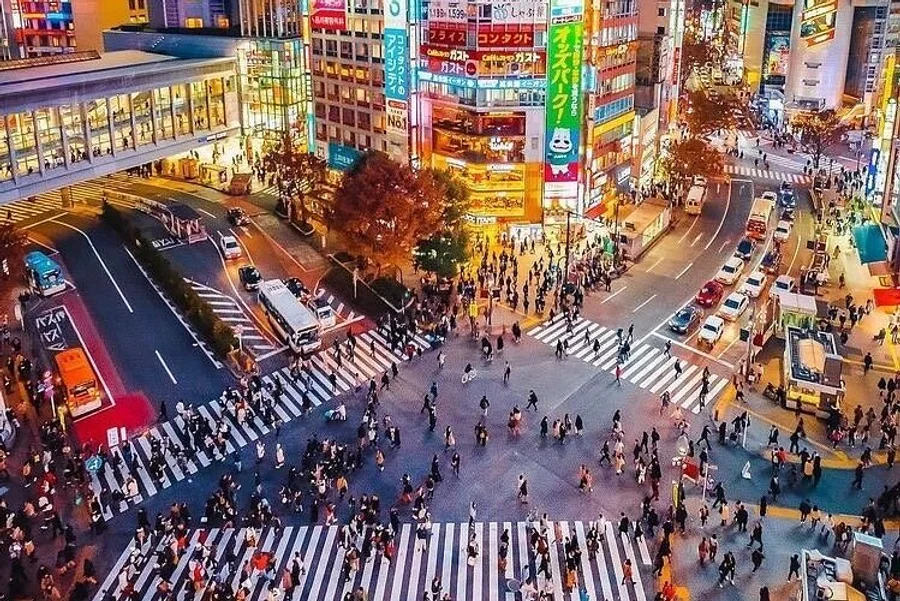
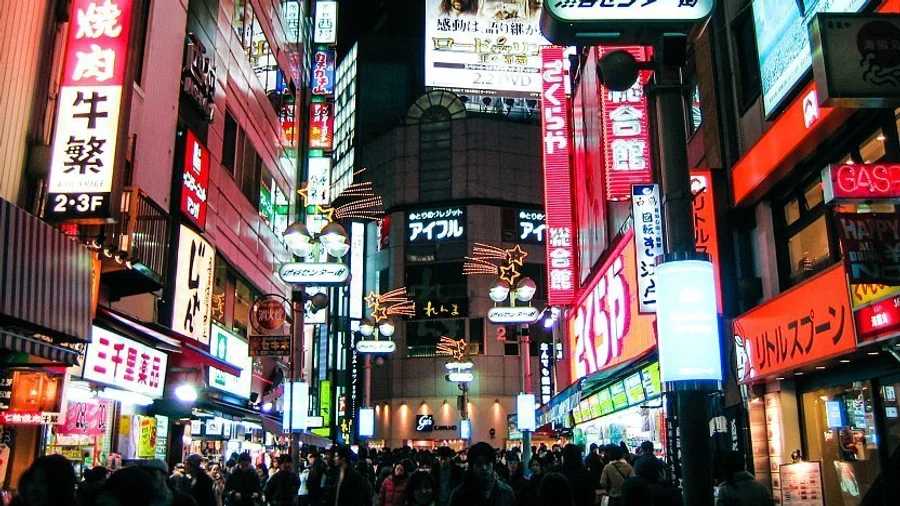
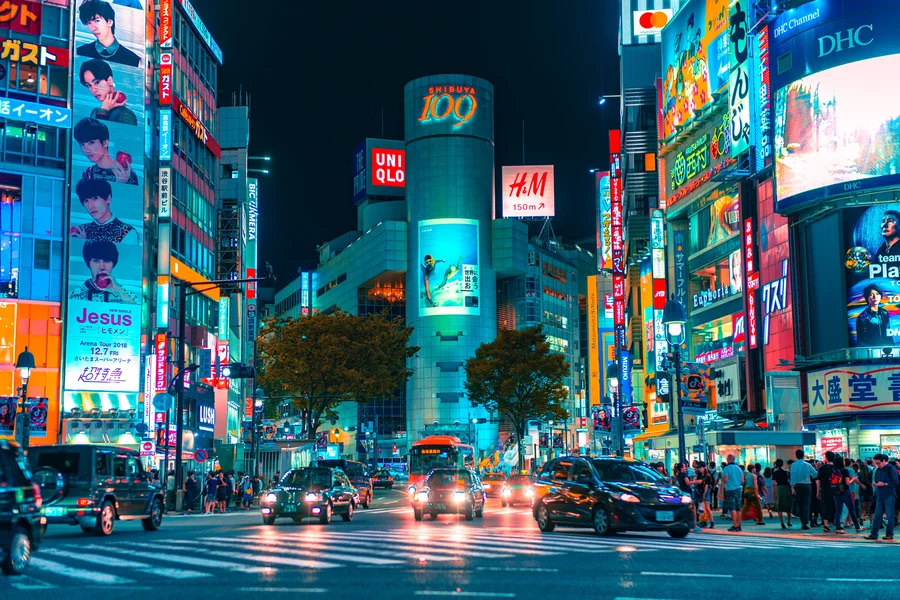
Shibuya centers around that famous crossing you’ve seen in every Tokyo travel video. But beyond the Instagram moment, this neighborhood pulses with creativity. Independent boutiques line the backstreets, third-wave coffee shops occupy converted spaces, and the energy feels decidedly younger and more experimental than Shinjuku’s corporate buzz.
Stay here if you want to be near Harajuku’s fashion scene, Omotesando’s tree-lined boulevard, and some of Tokyo’s best nightlife. The area has transformed dramatically in recent years, with Shibuya Scramble Square and Shibuya Sky offering new perspectives on the city.
- Area: Central Tokyo, Southwest
- Highlights: Shibuya Crossing, fashion districts, specialty coffee culture
- Perfect for: Digital nomads, fashion enthusiasts, cafe hoppers
Best Hotels in Shibuya
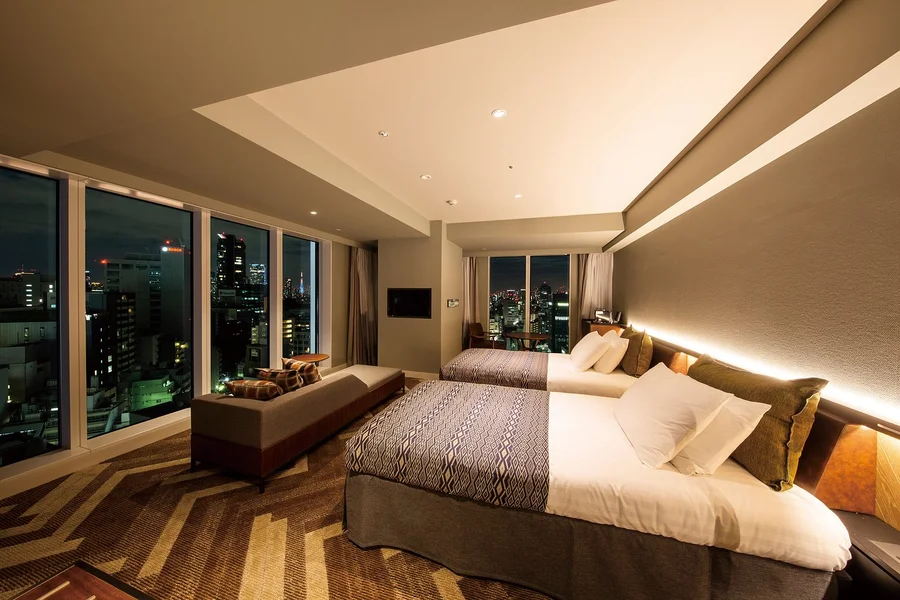
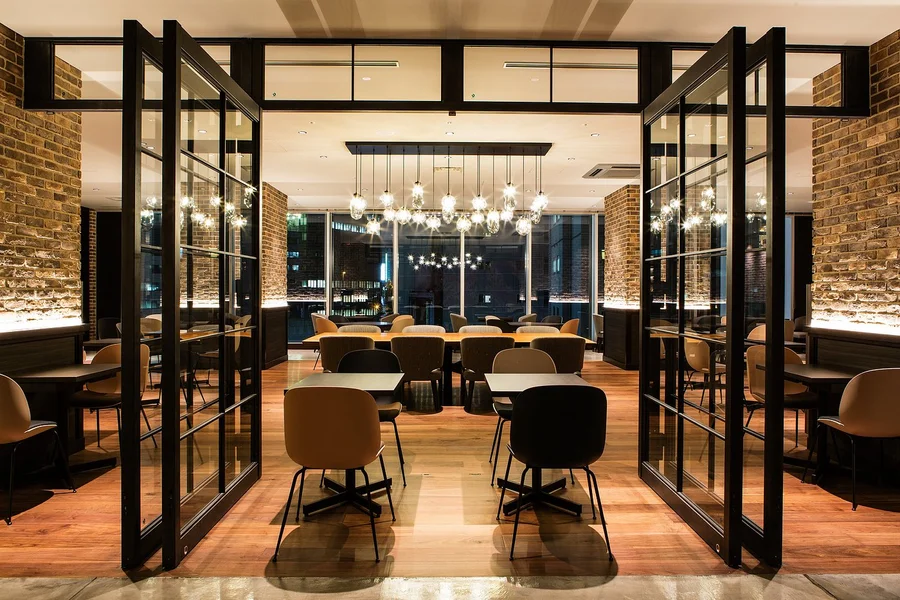
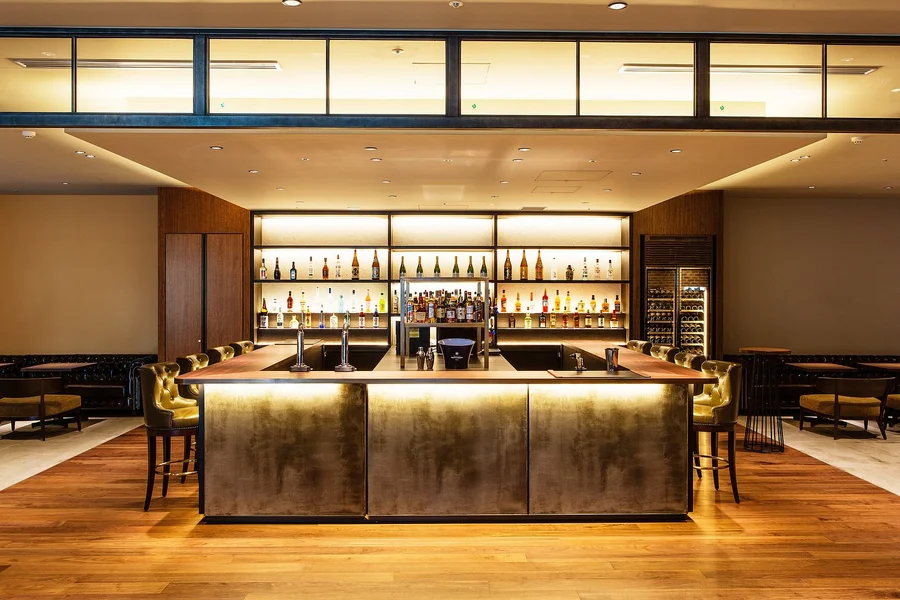
Shibuya Stream Hotel integrates into the neighborhood’s creative redevelopment. The design feels contemporary and welcoming, with excellent connectivity to multiple train lines and direct access to a collection of restaurants and shops below.
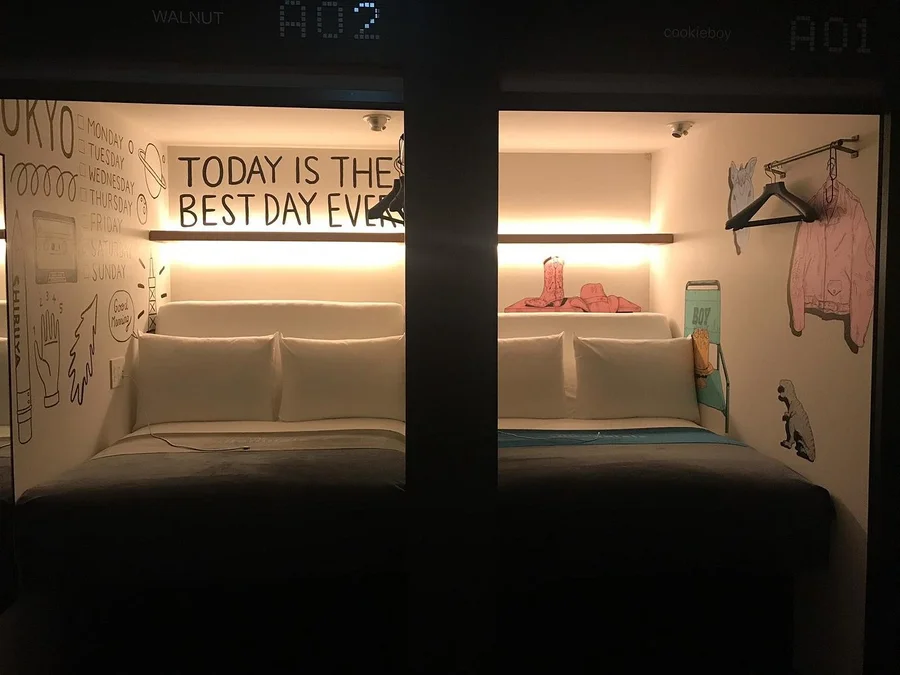
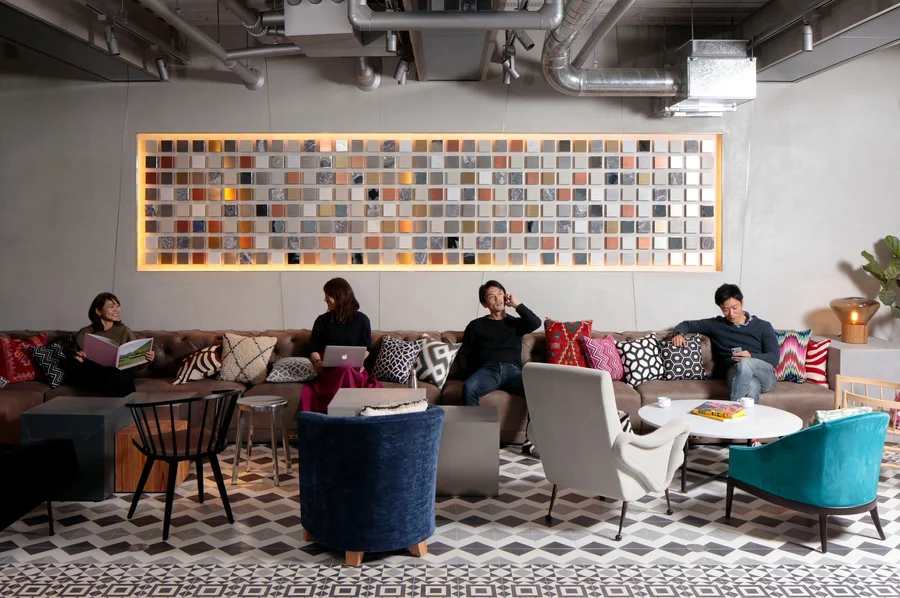
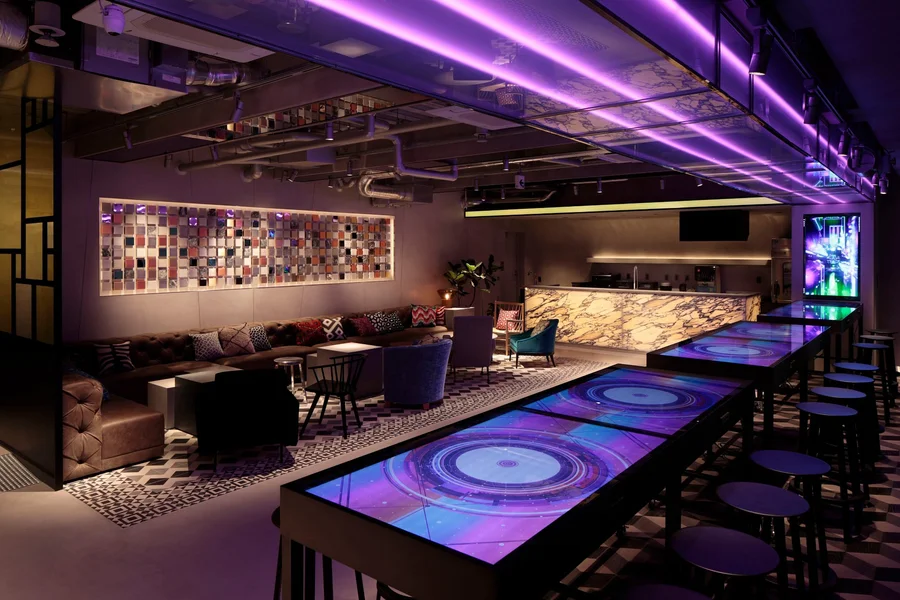
The Millennials Shibuya reimagines budget accommodation with futuristic pod design and integrated coworking spaces. Perfect for solo travelers and remote workers who prioritize location and community over traditional hotel luxuries.
Asakusa: Old Tokyo’s Charm
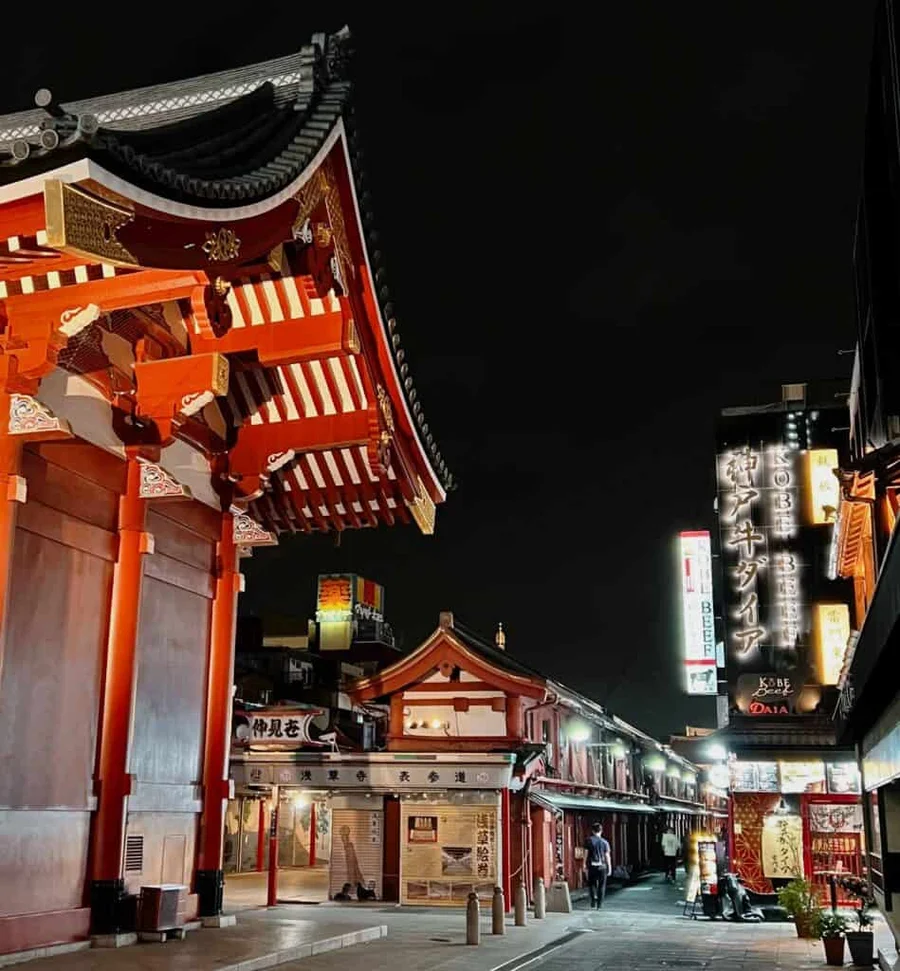
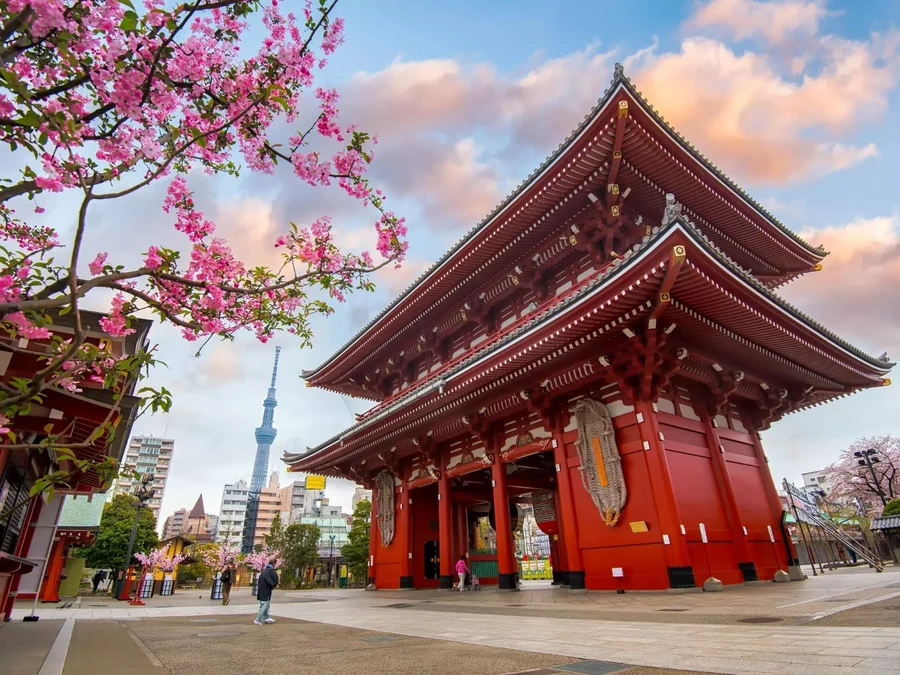
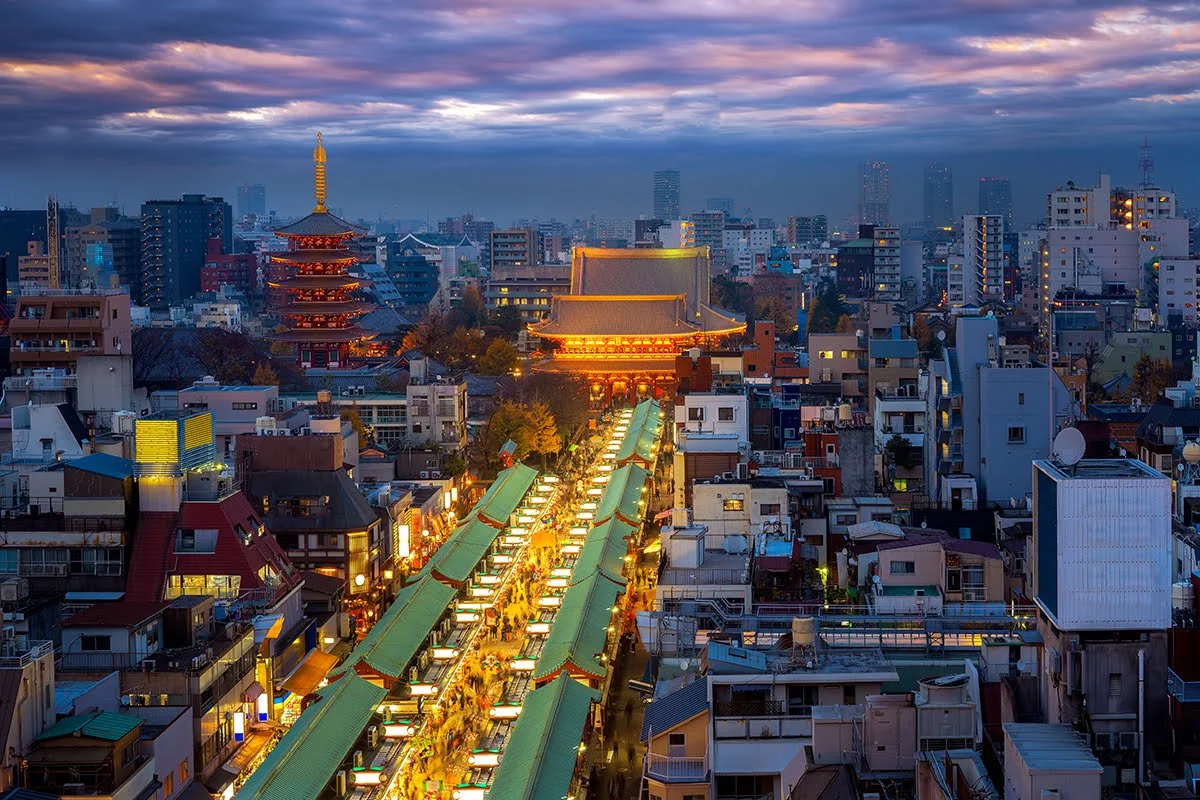
Asakusa transports you to another era. Red lanterns illuminate temple gates, traditional sweet shops line narrow streets, and the pace feels deliberately slower than the rest of Tokyo. This eastern neighborhood preserves the city’s Edo-period character while remaining surprisingly accessible on the subway network.
Waking up early to photograph Senso-ji Temple before the crowds arrive became one of my favorite Tokyo rituals. The morning light hitting those vermilion structures, the incense smoke curling through the air, and having the space mostly to yourself creates moments that define why you came to Japan in the first place.
- Area: Eastern Tokyo
- Highlights: Senso-ji Temple, traditional crafts, Sumida River views
- Perfect for: Culture enthusiasts, photographers, anyone seeking traditional Japan
Where to Stay in Asakusa
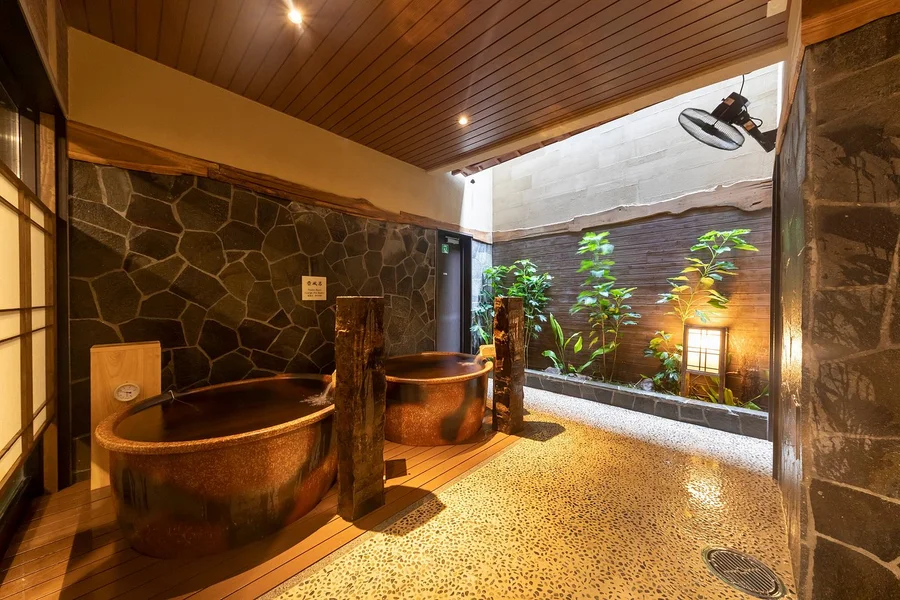
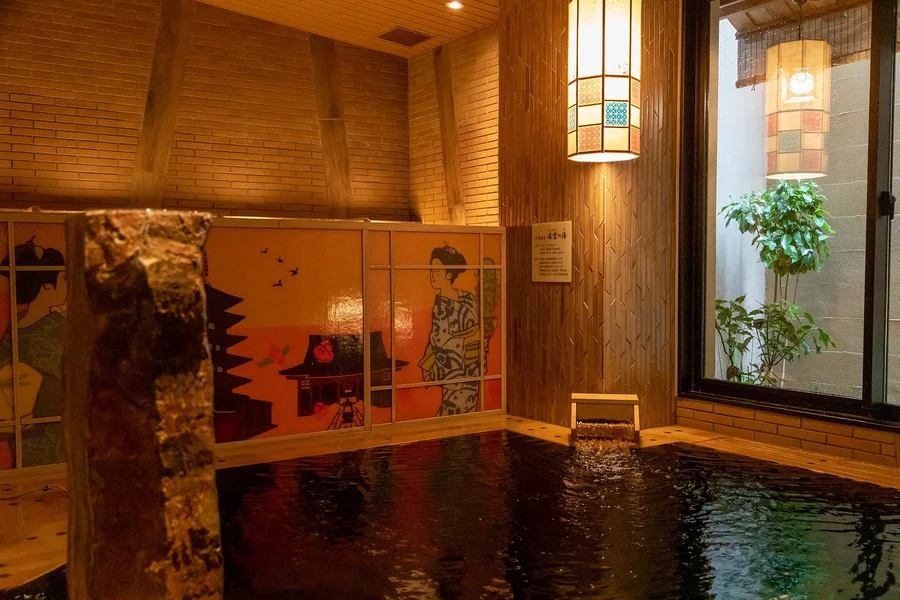
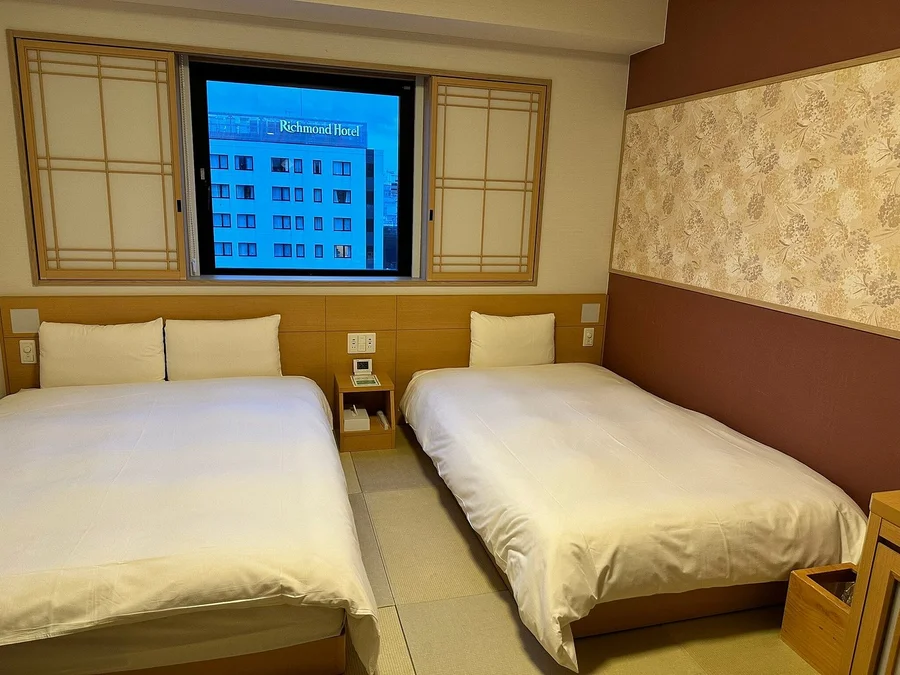
Dormy Inn Onyado Nono Asakusa Natural Hot Springs combines traditional Japanese design with the practical luxury of an onsen hot spring bath. After walking all day exploring temples and markets, soaking in that rooftop bath while looking out over old Tokyo feels like the perfect reward.
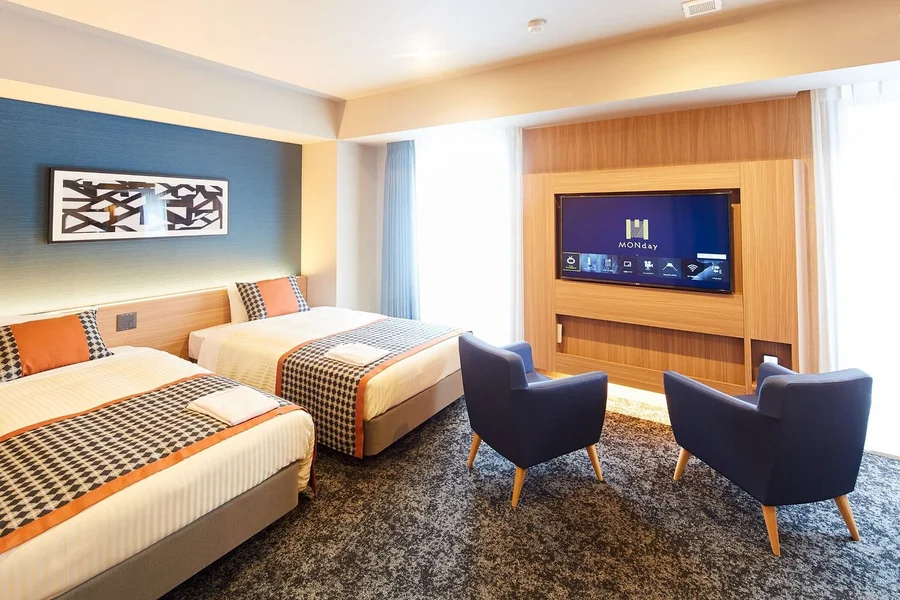
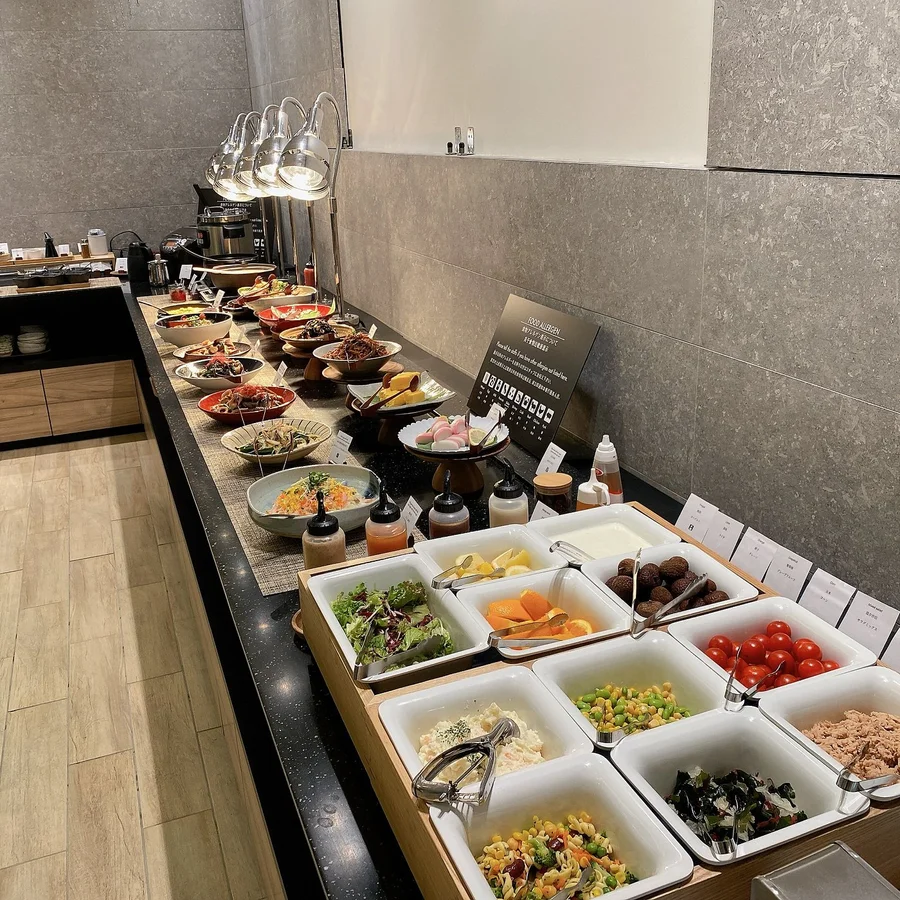
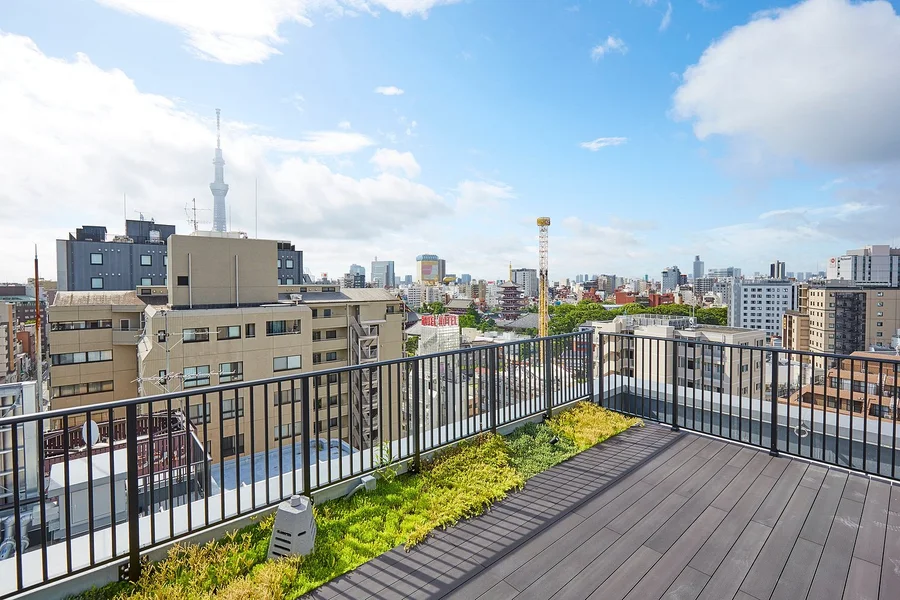
Hotel MONday Asakusa brings modern minimalism to this traditional neighborhood. The rooms feature clean lines and excellent lighting, creating a peaceful retreat steps from Senso-ji Temple without breaking your budget.
Ginza: Refined Elegance Meets Modern Design
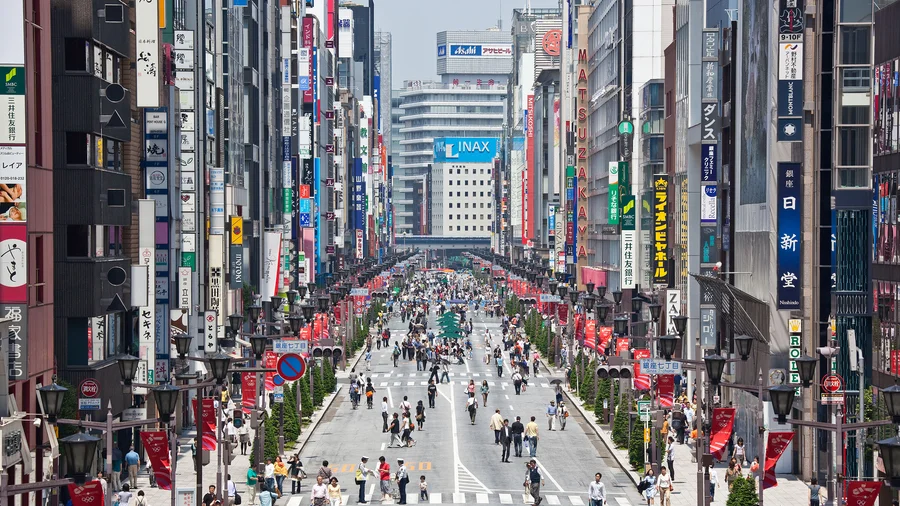
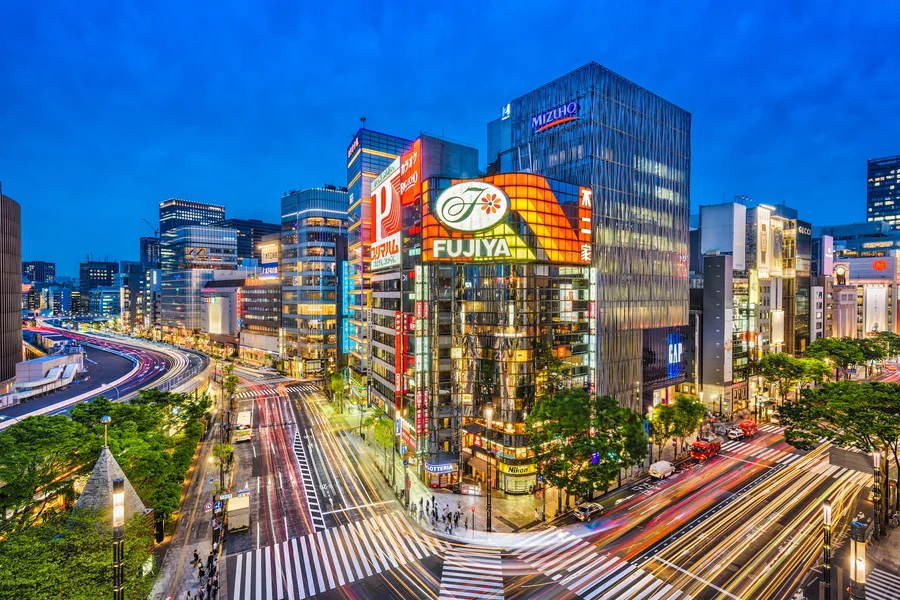
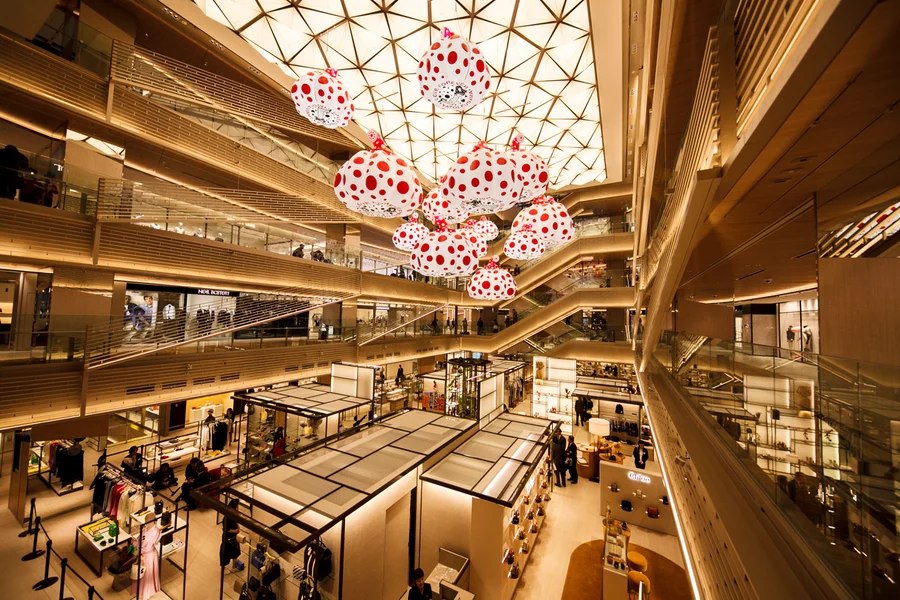
Ginza gleams with a different kind of energy. This upscale district showcases Tokyo’s love of architecture and design, where every building seems to compete for the most striking facade. International luxury brands line the main boulevard, while hidden side streets reveal intimate bars and exceptional restaurants.
The neighborhood transforms as day shifts to evening. Morning brings window shopping through architectural marvels, afternoons invite lingering in specialty coffee shops, and nights sparkle with sophisticated dining and cocktail culture. Staying here places you at the intersection of old Tokyo money and contemporary design innovation.
- Area: Central Tokyo, East
- Highlights: High-end shopping, architectural landmarks, exceptional dining
- Perfect for: Design enthusiasts, luxury shoppers, food lovers
Ginza Hotel Recommendations
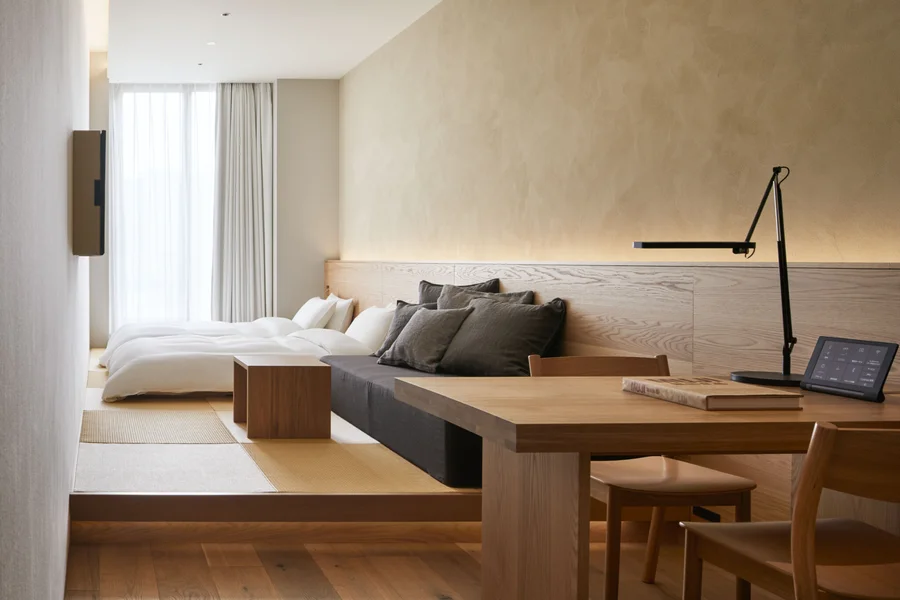
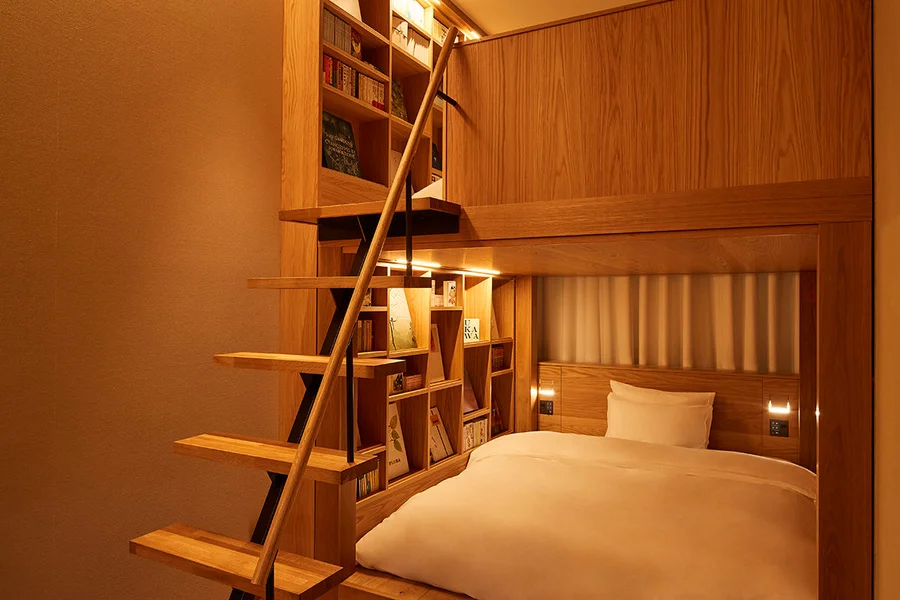
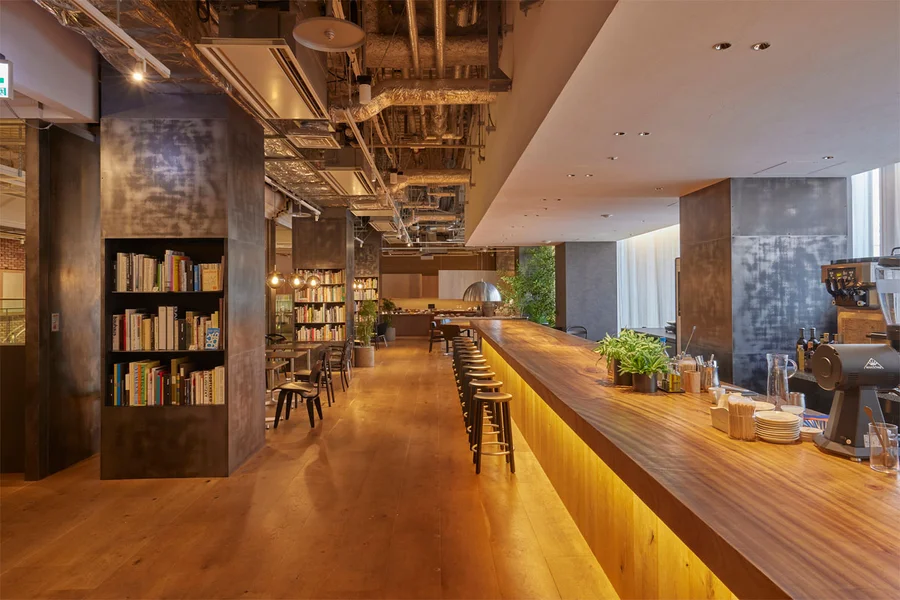
MUJI Hotel Ginza embodies minimalist Japanese aesthetic philosophy. Every element serves a purpose, from the wooden furniture to the neutral color palette, creating spaces that feel both simple and sophisticated. Design lovers will appreciate the attention to detail in every corner.
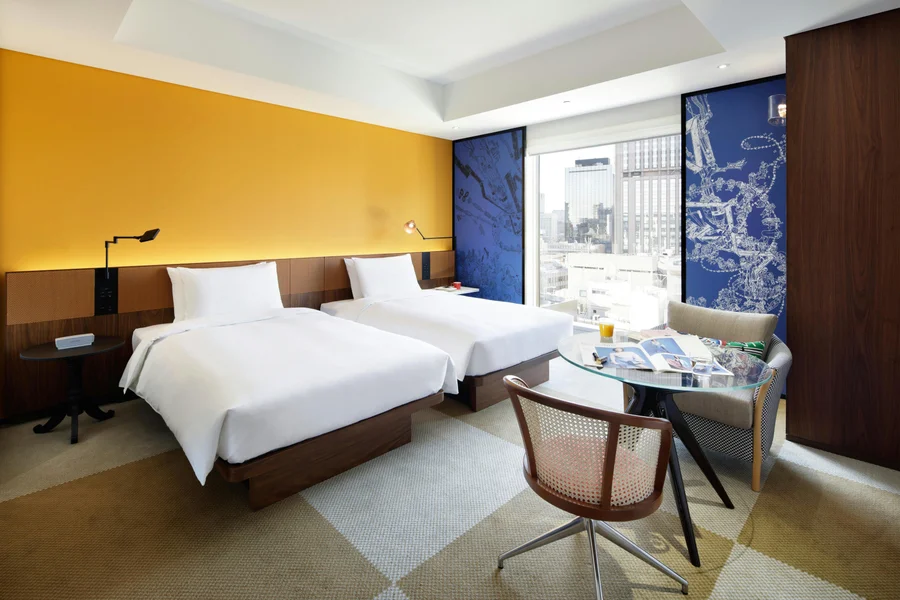
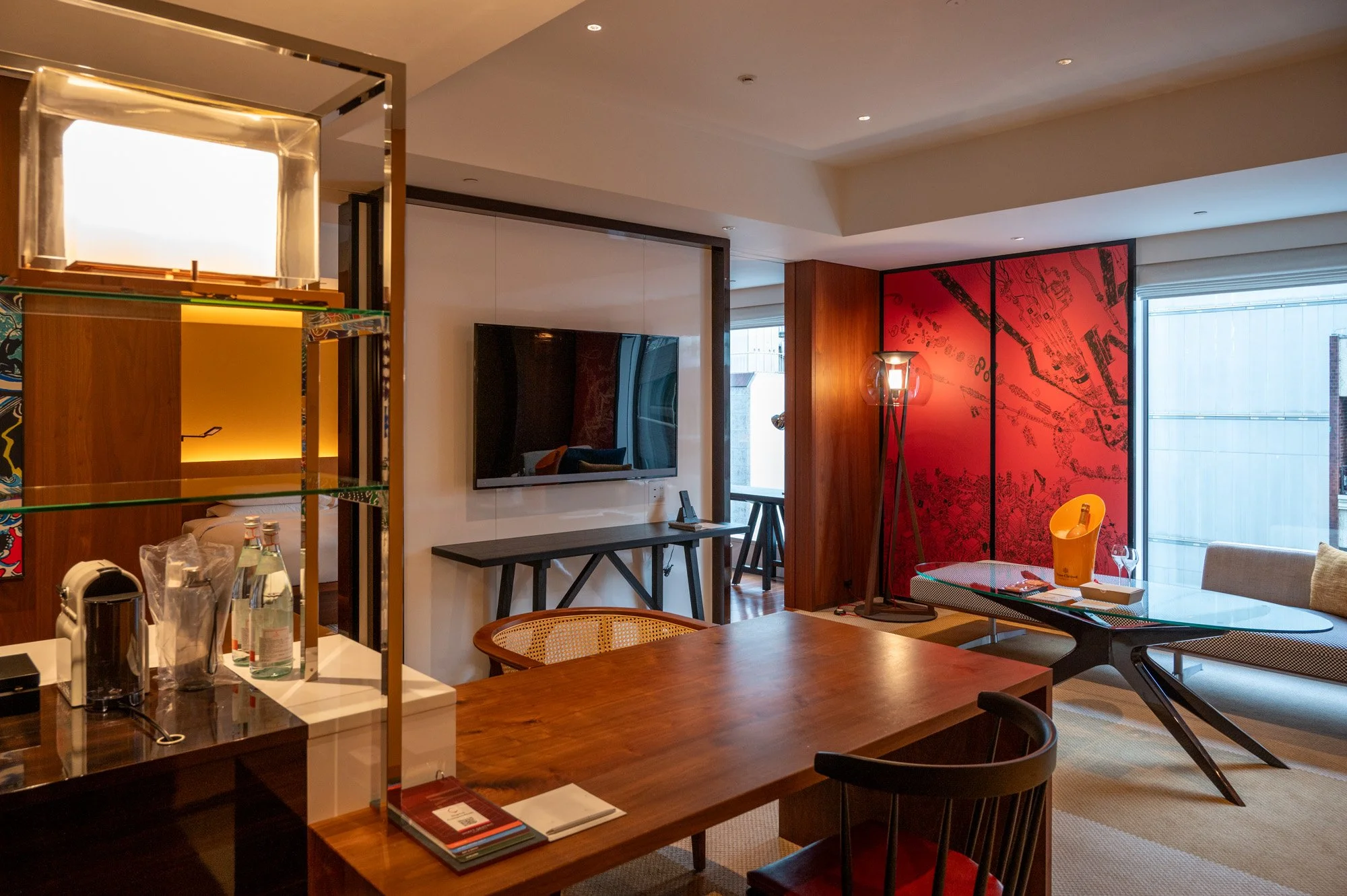
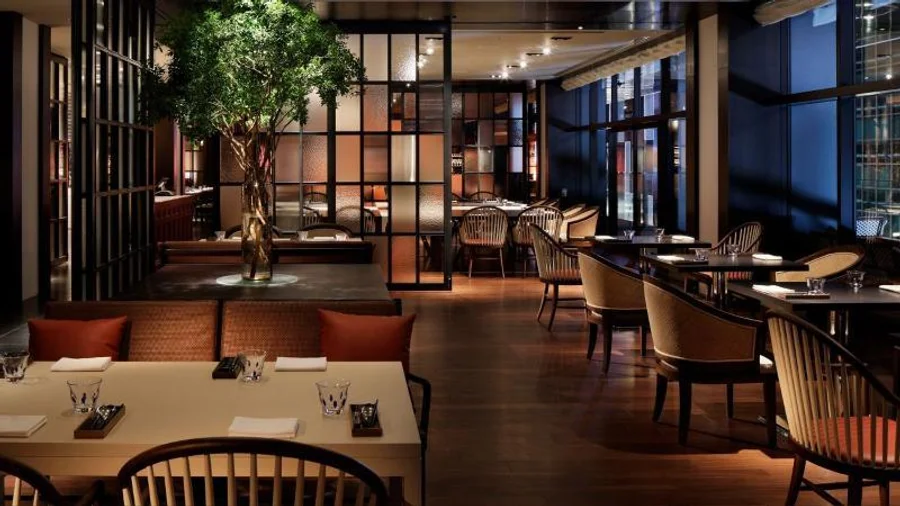
Hyatt Centric Ginza Tokyo balances refined comfort with warm hospitality. The location puts you within walking distance of both Ginza’s main attractions and the peaceful Hamarikyu Gardens, while the rooftop bar offers impressive city views.
Tokyo Station Area: Gateway to Everything
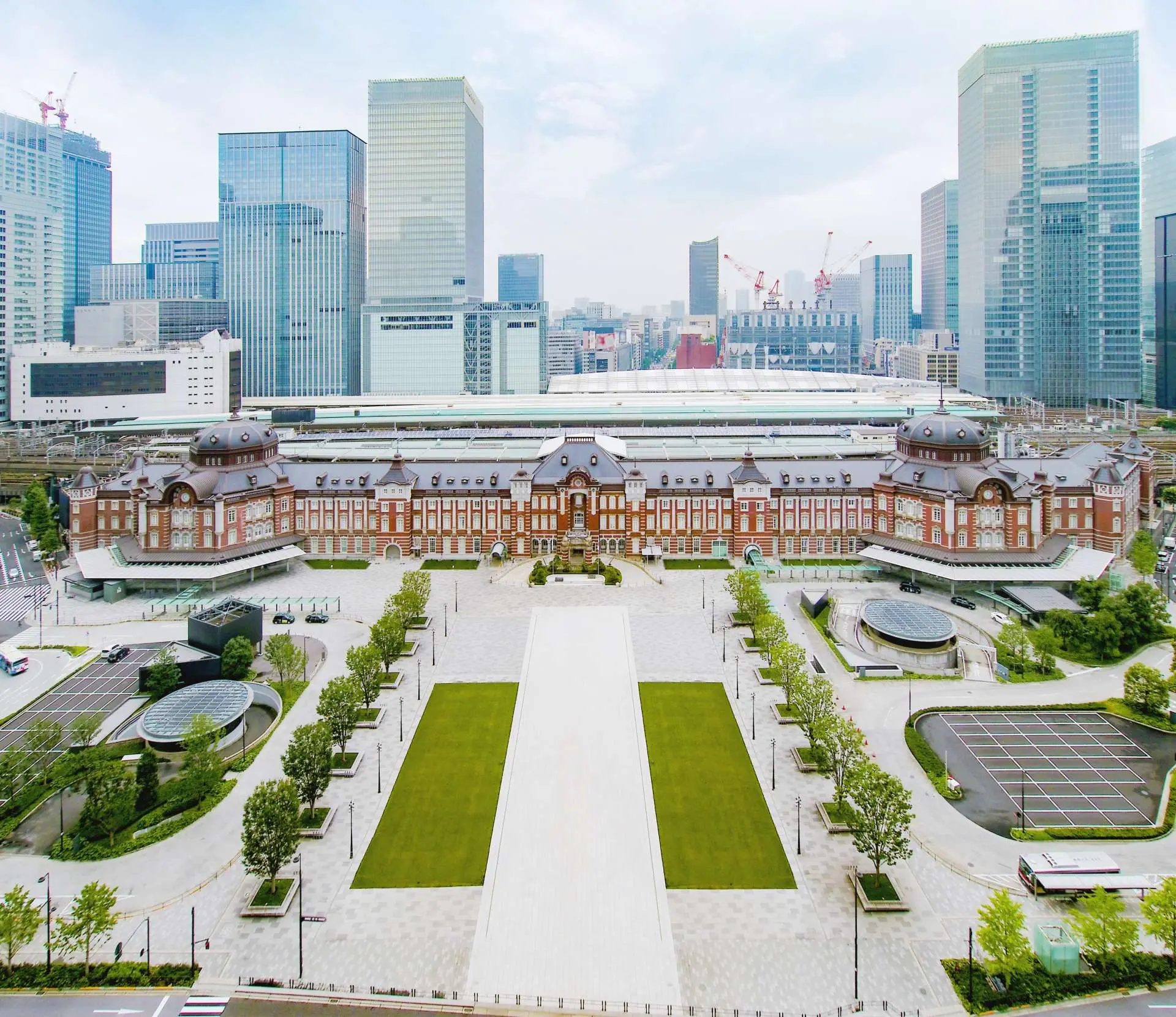
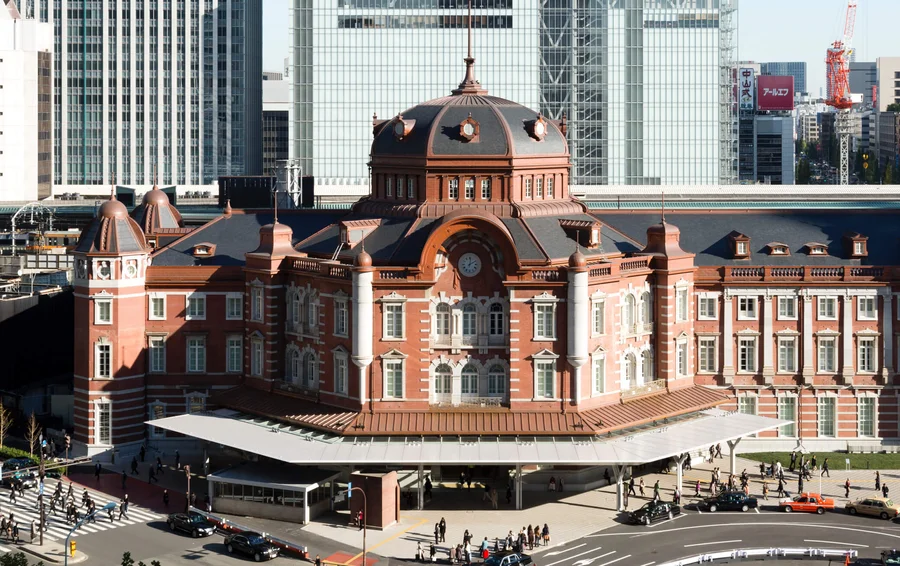
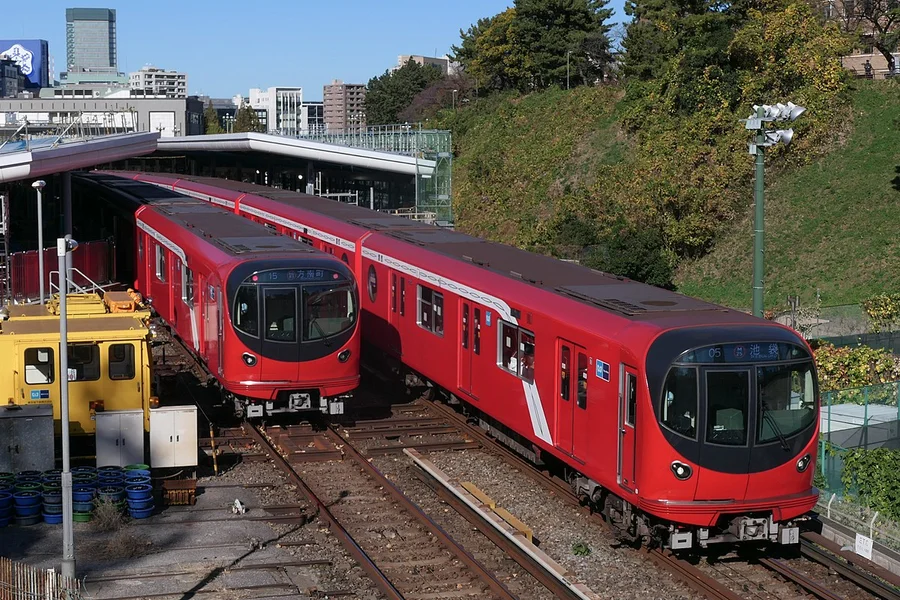
Tokyo Station serves as the city’s transportation heart, making this area perfect for travelers who want maximum flexibility. The beautifully restored red-brick station building contrasts with surrounding glass towers, while underground passages connect to multiple subway lines and the Shinkansen platforms.
Beyond pure convenience, this district offers surprising discoveries. Imperial Palace gardens provide green space for morning runs, Marunouchi’s recently renovated streets feature excellent restaurants, and staying here makes day trips to Kyoto, Hakone, or Nikko remarkably simple. If you’re planning to explore beyond Tokyo, consider our curated Japan tour packages that make the most of the country’s efficient rail system.
- Area: Central Tokyo
- Highlights: Shinkansen access, Imperial Palace proximity, business district
- Perfect for: Day trip planners, business travelers, efficiency seekers
Hotels Near Tokyo Station
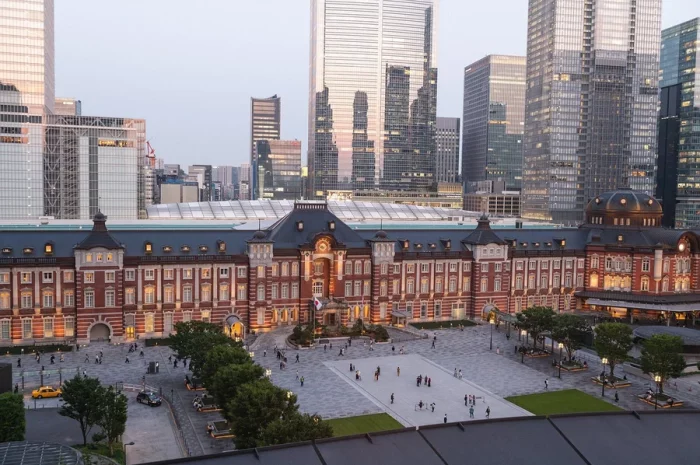
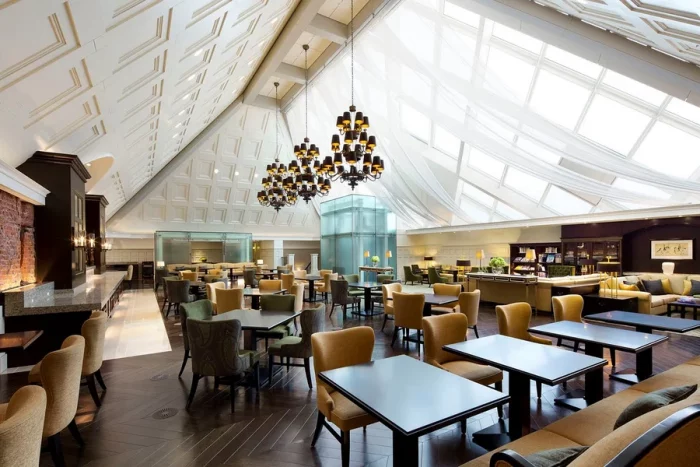
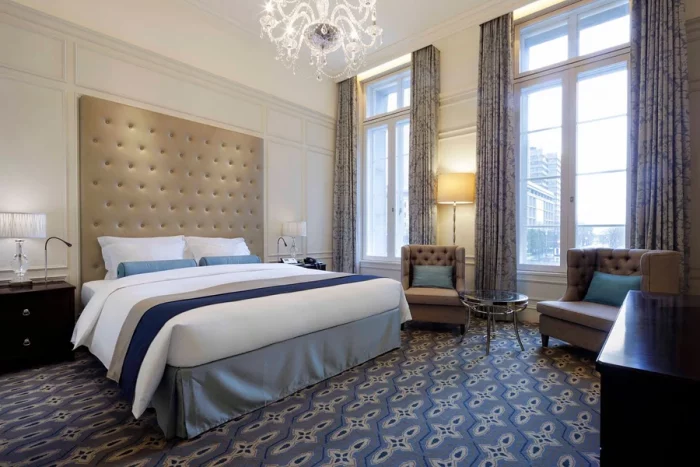
The Tokyo Station Hotel occupies the historic station building itself, offering European-influenced elegance in rooms that overlook the platforms. The location can’t be beat for early morning Shinkansen departures or late night arrivals.
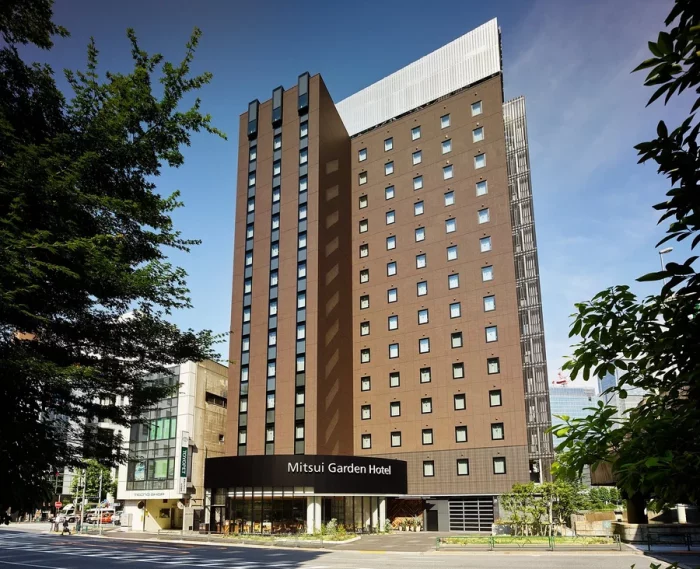
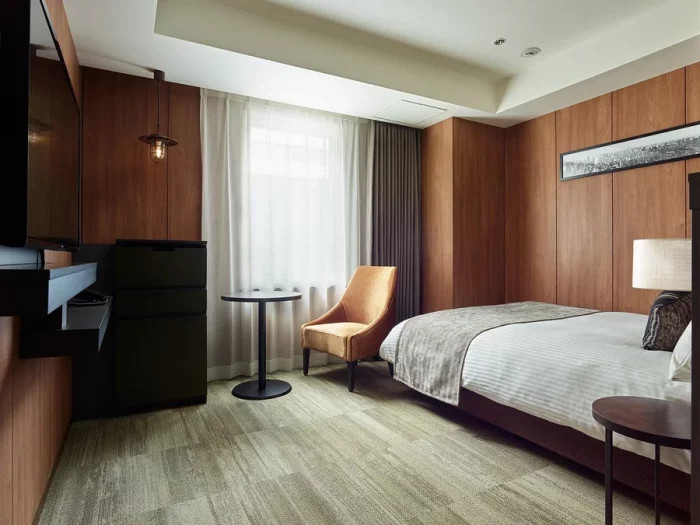
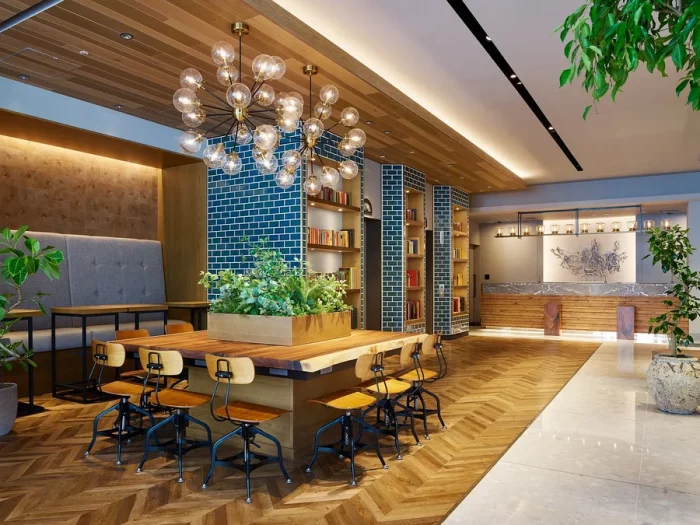
Mitsui Garden Hotel Otemachi delivers contemporary Japanese hospitality with thoughtful details throughout. The executive rooms feel spacious, and the location provides quick access to multiple subway lines without the overwhelming crowds of Tokyo Station itself.
Akihabara: Electric Town Energy
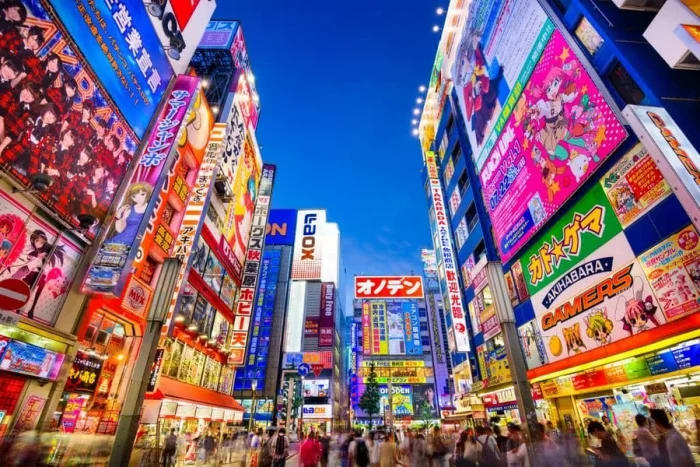
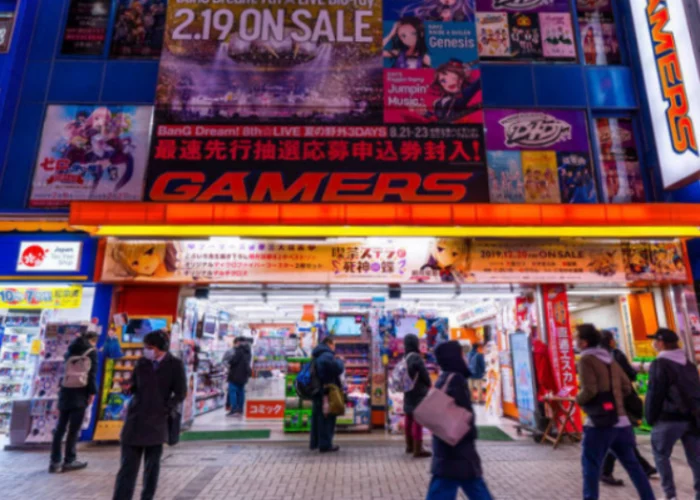
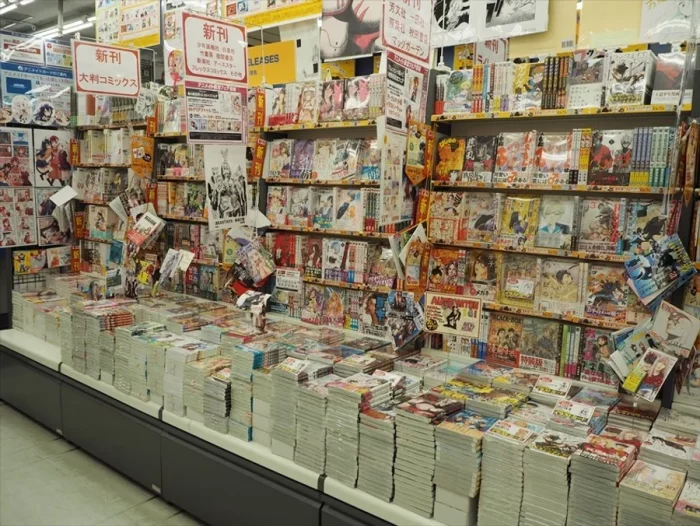
Akihabara overwhelms the senses in the best possible way. Massive electronics stores tower over streets lined with anime shops, vintage video game stores hide in building basements, and themed cafes create experiences you never knew you needed. This neighborhood embraces otaku culture while remaining surprisingly welcoming to curious travelers.
Beyond the obvious pop culture attractions, Akihabara offers authentic experiences. Small ramen shops serve excellent bowls alongside gamers taking lunch breaks, vintage audio equipment shops cater to serious collectors, and the energy shifts dramatically from day to night as different crowds take over the streets.
- Area: Eastern Central Tokyo
- Highlights: Electronics, anime culture, retro gaming, themed cafes
- Perfect for: Pop culture fans, gamers, curious travelers
Akihabara Accommodations
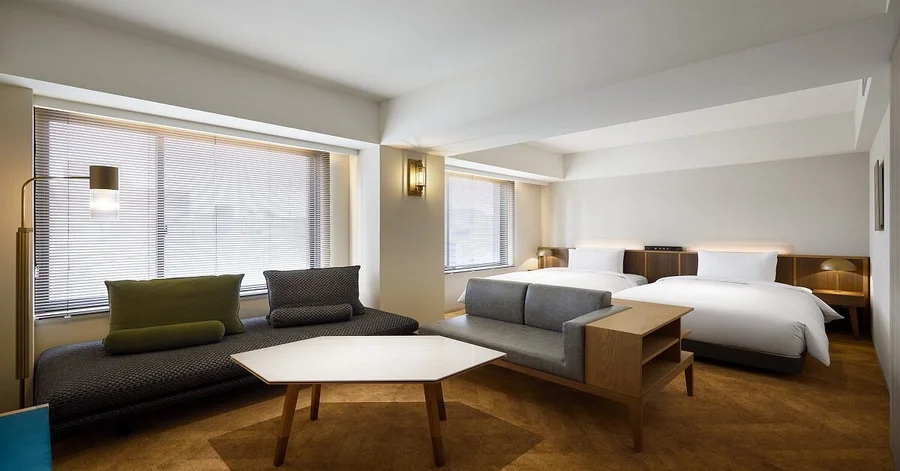
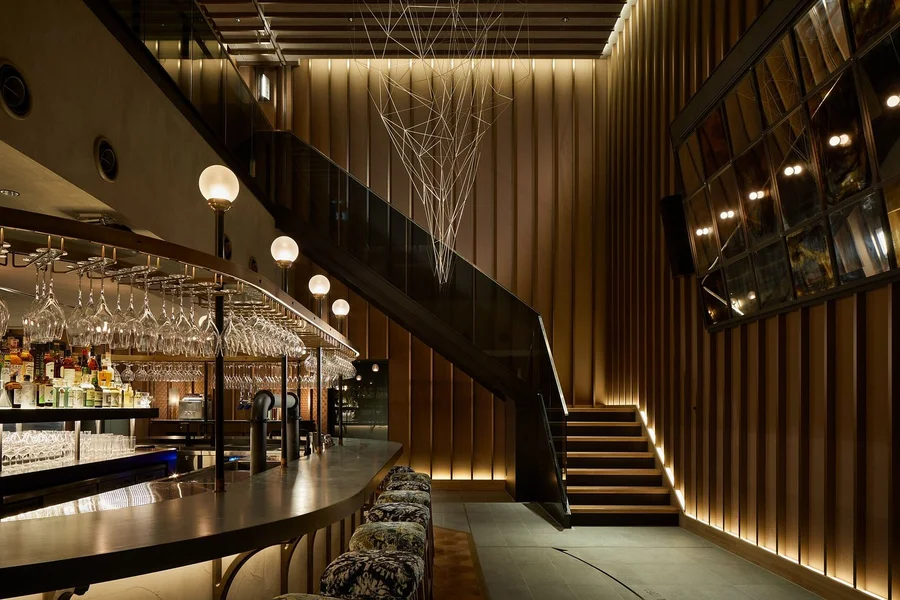
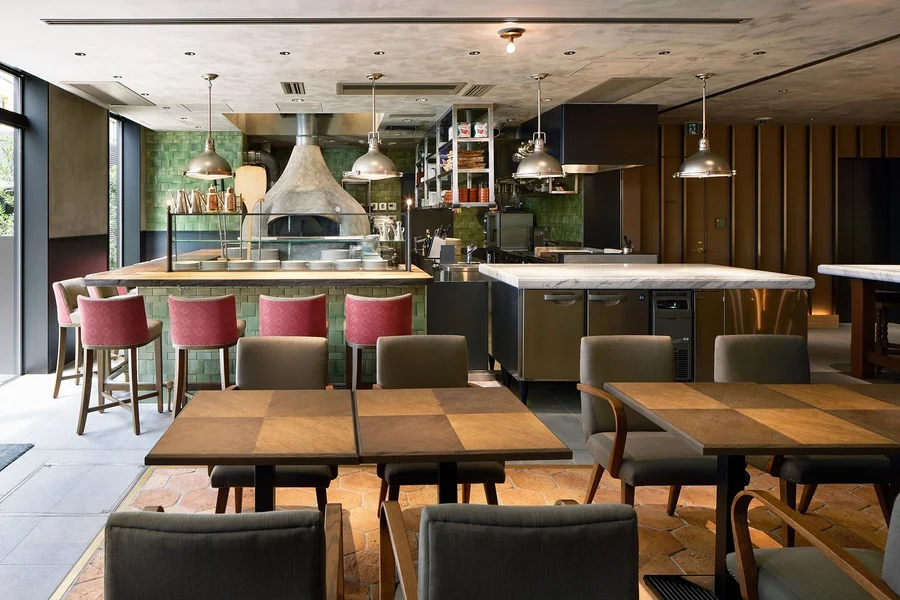
NOHGA Hotel Akihabara Tokyo brings sophisticated design to this energetic neighborhood. The aesthetic balances Akihabara’s electric personality with calm, creative spaces where you can decompress after exploring the district’s sensory overload.
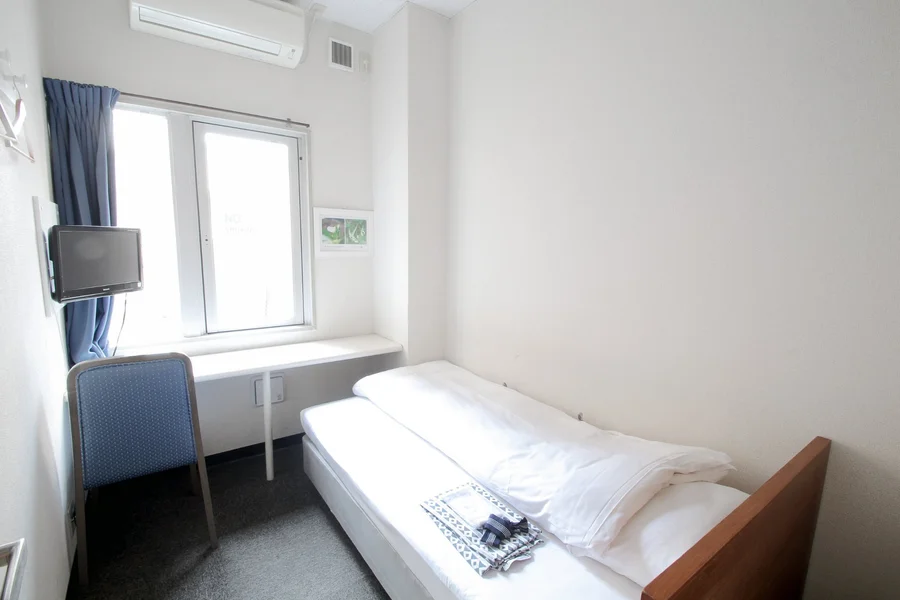
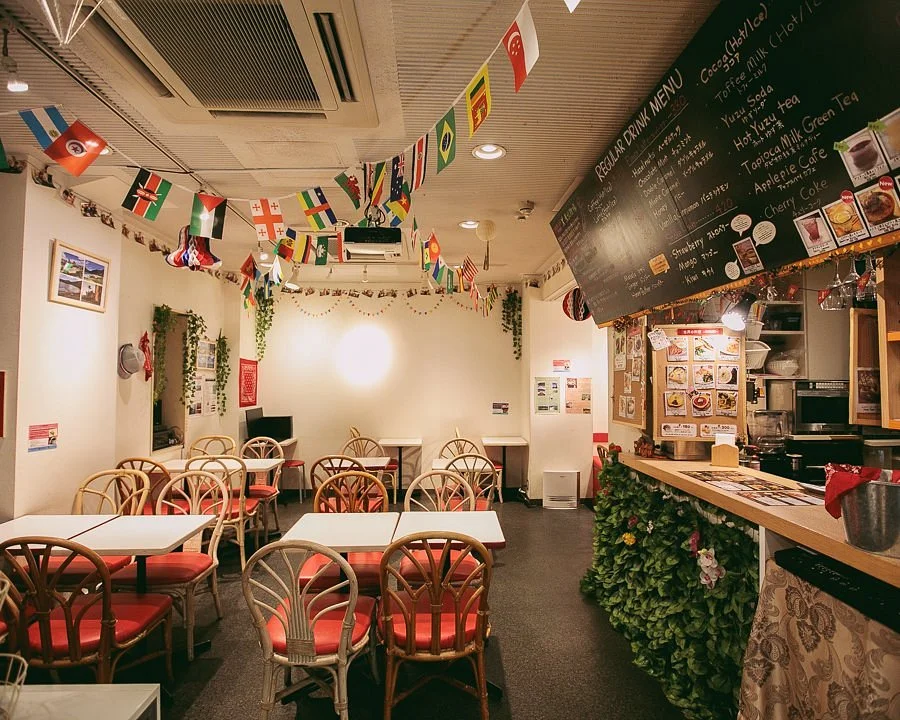
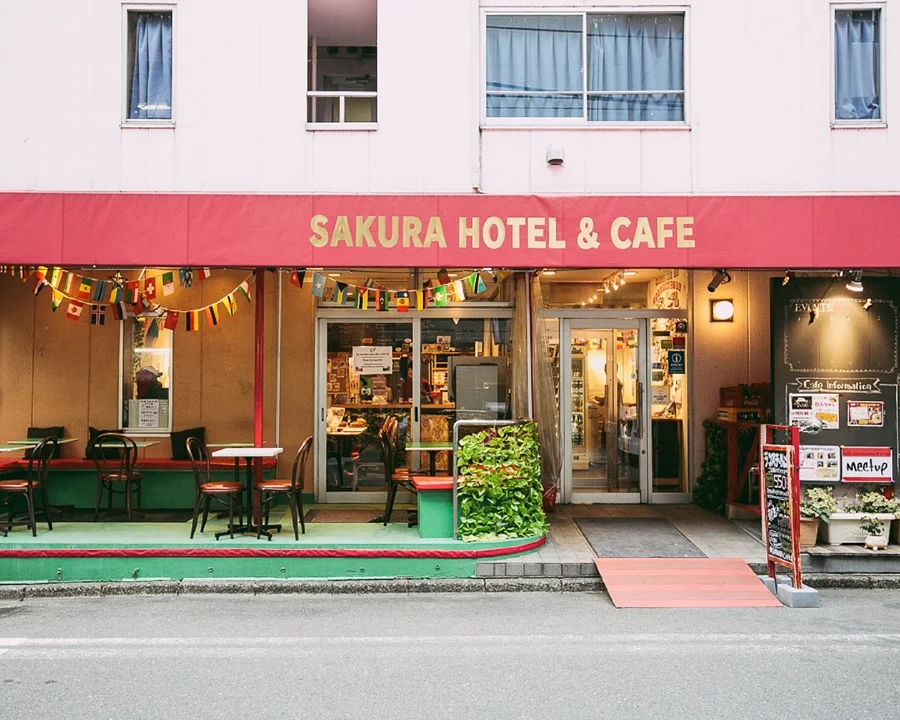
Sakura Hotel Jimbocho creates community in the heart of central Tokyo. This budget-friendly option attracts international travelers with its 24-hour cafe, simple comfortable rooms, and location that provides easy access to both Akihabara and the Imperial Palace area.
Where to Eat in Tokyo: Your Weekend Guide to the Best Food
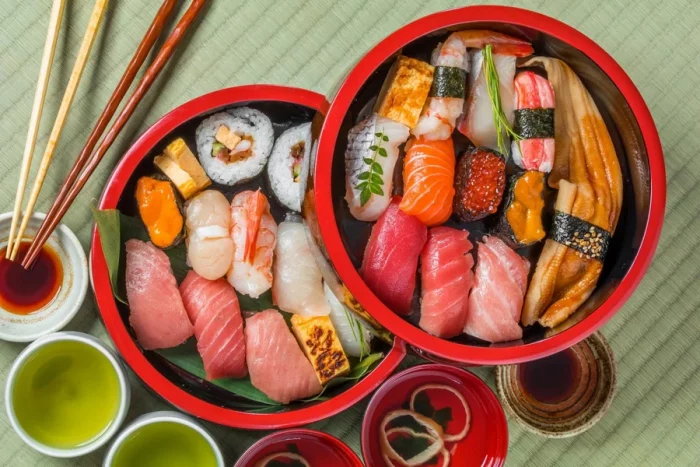
Tokyo holds more Michelin stars than any other city on earth, yet some of my most memorable meals here cost less than a movie ticket. The beauty lies in this range. You can experience world-class sushi prepared by masters who’ve spent decades perfecting their craft, then finish the night with ramen from a vending machine shop where the broth has simmered for 20 hours. Both experiences feel equally valid, equally Tokyo.
Breakfast at Tsukiji Outer Market
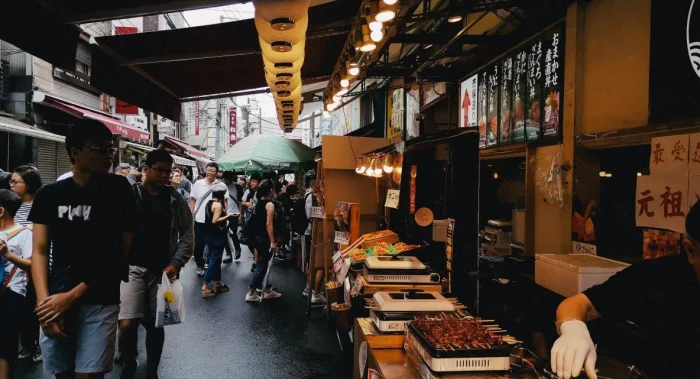
Yes, the famous tuna auction moved to Toyosu years ago, but Tsukiji’s outer market remains one of Tokyo’s essential food experiences. Arrive before 8 AM and you’ll find a different city, one where chefs haggle over seafood deliveries and the smell of grilled fish drifts through narrow lanes.
Walk slowly through the covered arcades. Stop for uni (sea urchin) so fresh it tastes like the ocean itself. Try grilled scallops brushed with soy butter, tamagoyaki (rolled egg omelet) cooked to order, and more varieties of seafood than you knew existed. This isn’t a quick breakfast, it’s a morning adventure that sets the perfect tone for exploring Tokyo.
Lunch: Street Food in Shibuya and Harajuku
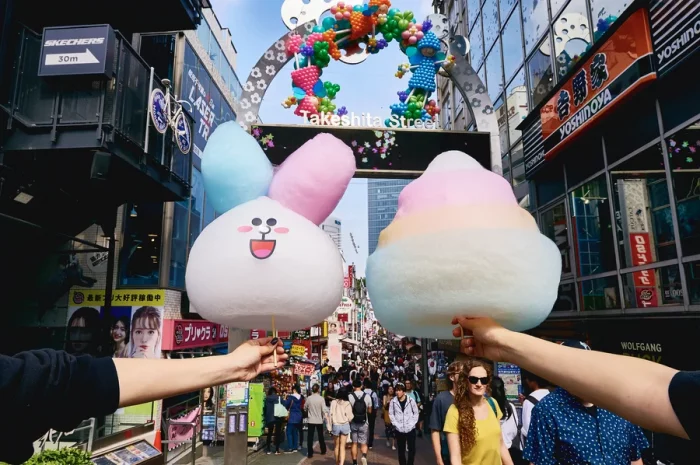
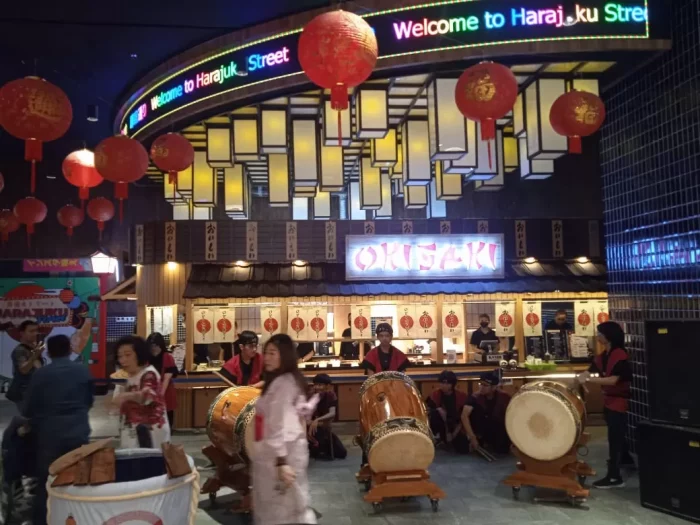
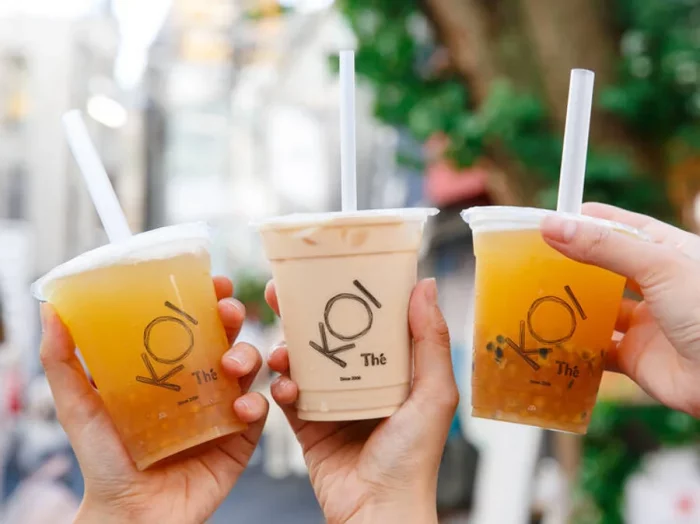
The area between Shibuya Crossing and Harajuku’s Takeshita Street becomes one long food adventure. Takoyaki vendors grill perfect spheres of octopus-filled batter, their surfaces crispy while the centers stay molten. Karaage (Japanese fried chicken) shops serve pieces so juicy and perfectly seasoned that you’ll understand why this simple dish has inspired obsessive devotion.
Don’t miss trying taiyaki, the fish-shaped pastry traditionally filled with sweet red bean paste but now available with custard, chocolate, or even savory fillings. And yes, that rainbow cotton candy on Takeshita Street is tourist bait, but watching them spin those colors into impossible shapes becomes its own form of entertainment.
Dinner: Sushi, Ramen, or Izakaya
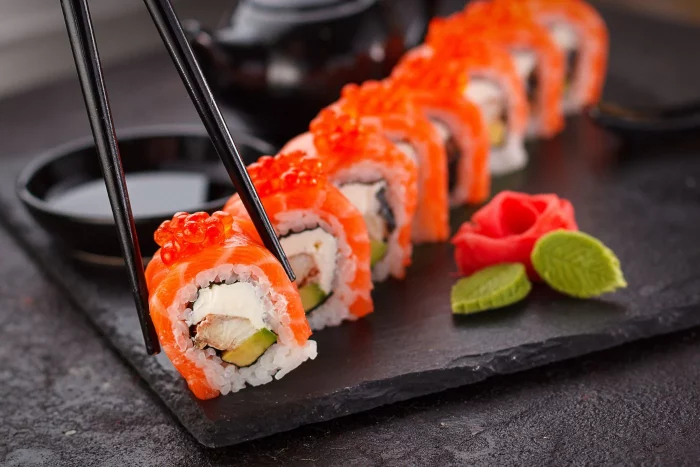
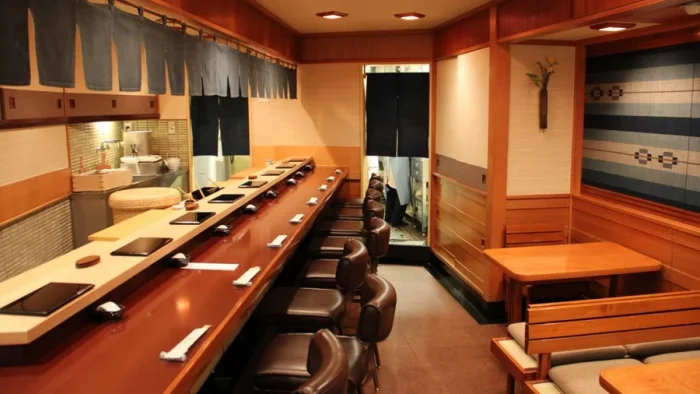
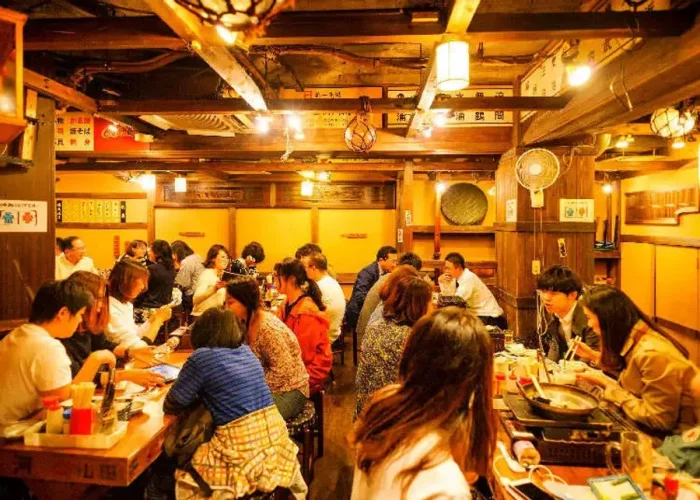
Your dinner choice depends on how you want to end your Tokyo Weekend Guide day. For sushi, you have options ranging from legendary establishments like Sukiyabashi Jiro (if you secured reservations months ago and don’t mind the cost) to excellent conveyor belt spots like Uobei where robot servers deliver your order and quality exceeds expectations for the price.
Ramen deserves its own evening. Ichiran’s solo dining booths let you focus entirely on the bowl in front of you, while Afuri’s yuzu-infused broth brings brightness to the typically rich dish. For something different, try tsukemen (dipping ramen) where you dip cold noodles into concentrated hot broth.
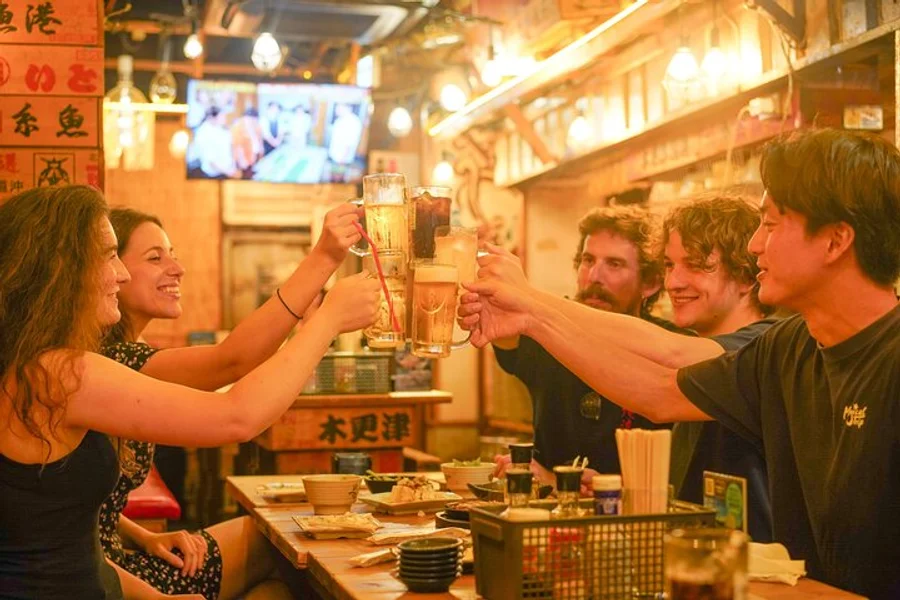
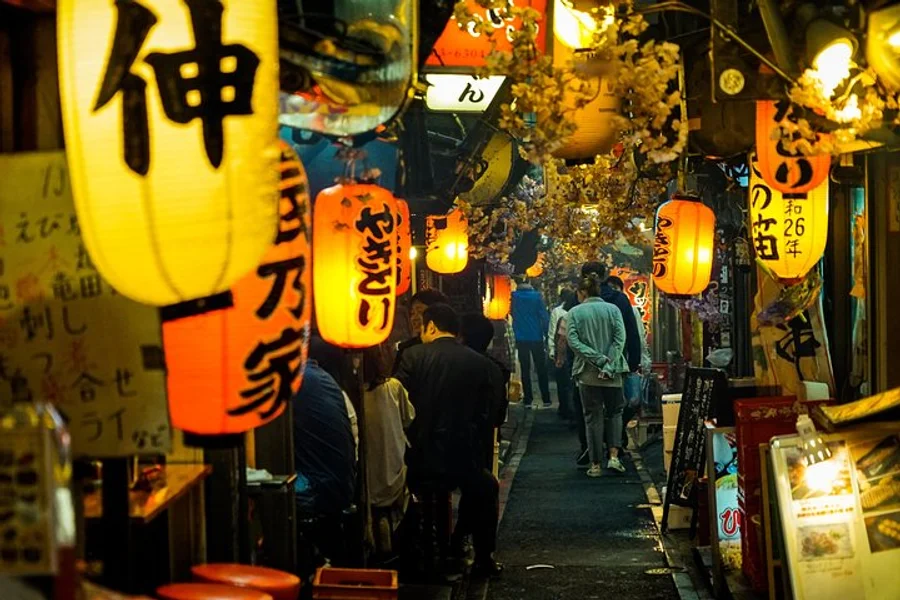
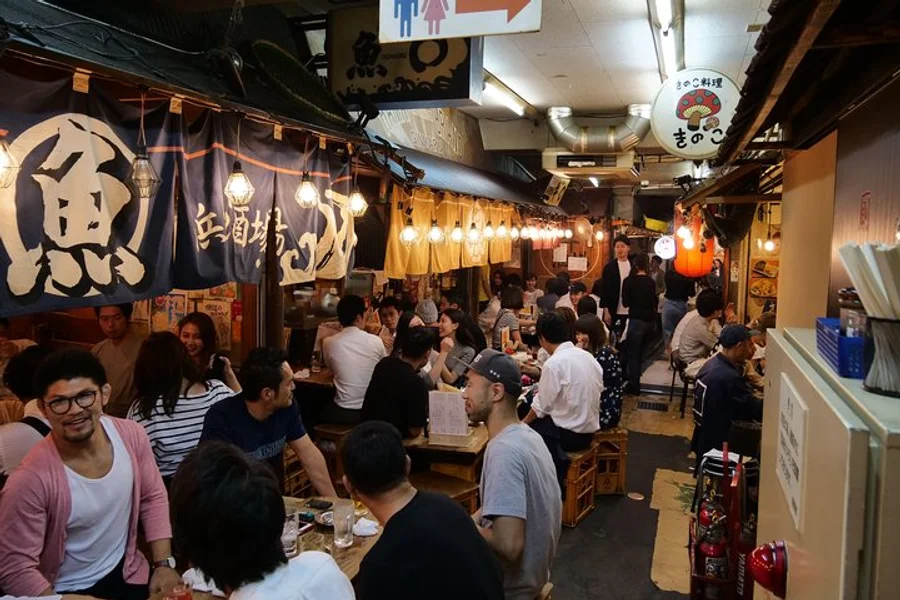
The izakaya experience captures Japanese social dining at its most relaxed. Head to Omoide Yokocho in Shinjuku, known as “Memory Lane” or less poetically as “Piss Alley.” These tiny establishments squeeze maybe 10 people into spaces not much wider than their grills. Order yakitori (grilled chicken skewers), share sake, and soak in the atmosphere of salarymen unwinding after work.
Tokyo Weekend Guide: The Perfect 48-Hour Itinerary
Every successful Tokyo Weekend Guide needs structure without feeling rigid. Here’s how to maximize two days while leaving room for spontaneous discoveries.
Day 1: Classic Tokyo and Nightlife
Morning: Asakusa and Senso-ji Temple
Set your alarm early for this one. Arriving at Senso-ji Temple around 6 AM transforms the experience completely. The massive red lantern gates that normally frame crowds of tourists instead frame morning light and incense smoke. Monks prepare for the day’s ceremonies, local worshippers come to pray, and you get those iconic photos without competing for space.
Walk through Nakamise Shopping Street as vendors set up their stalls. Try freshly made ningyo-yaki (small cakes filled with red bean paste) and watch craftspeople prepare traditional sweets. Pull an omikuji (fortune slip) at the temple. If you get bad luck, tradition says to tie it to the designated racks and leave your misfortune behind.
Afternoon: Akihabara’s Electric Energy
After Asakusa’s traditional atmosphere, Akihabara provides maximum contrast. Multi-story electronics shops sell everything from the latest cameras to obscure cable adapters. Anime and manga shops overflow with merchandise. Retro gaming stores hide in building basements, their shelves stacked with Super Famicom cartridges and PlayStation classics.
Take time to explore the side streets where you’ll find specialty shops focused on single obsessions like model trains or vintage audio equipment. Stop at an arcade and watch the claw machine masters at work. Consider visiting a maid cafe if you’re curious about this uniquely Japanese phenomenon, though manage your expectations.
Evening: Shinjuku Night Out
As the sun sets, Shinjuku reveals why it’s Tokyo’s nightlife capital. Start with early dinner at Omoide Yokocho, those narrow alleys packed with tiny yakitori joints where smoke from grills mingles with conversation and laughter. Order a variety of skewers and cold beer, embracing the tight quarters and convivial atmosphere.
Next, explore Golden Gai’s six narrow alleys containing over 200 tiny bars. Most fit fewer than 10 people and many have cover charges or regular customer policies, but several welcome tourists warmly. Pick one that looks inviting and settle in for drinks and conversation.
Before heading back to your hotel, walk to Tokyo Metropolitan Government Building’s observation deck. It’s free, open until late, and provides panoramic views over the city’s endless lights. On clear nights, you can spot Mt. Fuji’s silhouette against the horizon.
Day 2: Modern Tokyo and Scenic Views
Morning: Meiji Shrine to Harajuku
Meiji Shrine provides a remarkably peaceful start to your second day. The approach through towering forest feels impossible in central Tokyo until you remember that this city constantly surprises you. The shrine itself, dedicated to Emperor Meiji and Empress Shoken, exemplifies traditional Shinto architecture without the tourist crowds of Senso-ji.
Walk through the shrine grounds slowly, watching for wedding processions in traditional dress. Read the wishes written on wooden ema plaques. Cleanse your hands and mouth at the purification fountain using the provided ladles. These rituals connect you to centuries of Japanese spiritual practice.
Exit the shrine’s south side and you’ve entered Harajuku, where the atmosphere couldn’t be more different. Takeshita Street pulses with youth culture, kawaii fashion, and more crepes than seems reasonable. Browse vintage clothing stores, try unusual snacks like rainbow grilled cheese, and people-watch from one of the second-floor cafes overlooking the street’s chaos.
Afternoon: Shibuya’s Urban Energy
Walk from Harajuku to Shibuya (about 20 minutes through tree-lined Omotesando) or take a quick train ride. Time your arrival at Shibuya Crossing for mid-afternoon when crowds peak. The best viewing spot is the second floor Starbucks overlooking the intersection, though getting a window seat requires patience and timing.
For an even better perspective, visit Shibuya Sky observation deck atop Shibuya Scramble Square. The 360-degree views from the rooftop level let you see Tokyo stretching to the horizon, with Mt. Fuji visible on clear days. The indoor observation areas feature comfortable seating and interesting exhibitions about the city’s development.
Spend the rest of your afternoon exploring Shibuya’s vertical shopping. Shibuya 109 showcases youth fashion trends, Tokyu Hands occupies multiple floors with every product you didn’t know you needed, and Loft offers excellent stationery and design objects. The neighborhood rewards aimless wandering through side streets filled with independent boutiques and specialty shops.
Evening: Tokyo Tower or Skytree and Ginza Dinner
Choose your evening landmark based on location and preference. Tokyo Tower’s red and white structure evokes nostalgic charm and offers excellent views from a more central location. Tokyo Skytree provides higher perspectives from the world’s tallest tower, with the surrounding Sumida area offering interesting exploring before or after your ascent.
Whichever you choose, time your visit for sunset to watch the city transform as millions of lights begin their nightly performance. The observation decks provide comfortable spaces to linger, with cafes and restaurants if you want to extend your stay.
End your Tokyo Weekend Guide with dinner in Ginza. This sophisticated district offers exceptional dining at every price point. Reserve ahead for high-end sushi or kaiseki, or explore the area’s numerous izakayas and international restaurants. Ginza at night gleams with a refined energy that feels distinctly different from Shibuya’s youth culture or Shinjuku’s chaos.
Essential Tours for Your Tokyo Weekend Guide
The right tours can transform a good Tokyo weekend into an exceptional one. These experiences save time, provide insider knowledge, and create moments that independent exploring might miss.
Mt. Fuji Day Trip with Lake Kawaguchi
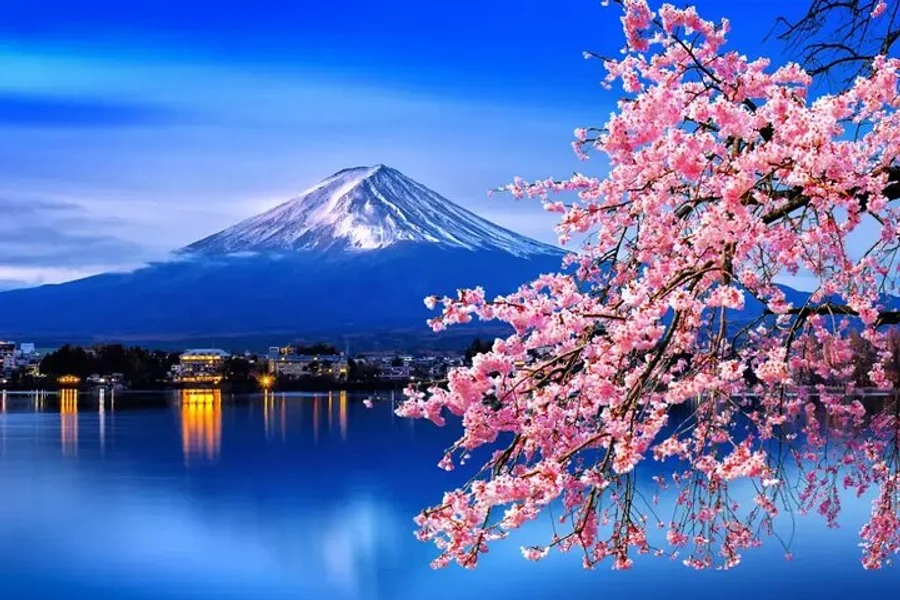
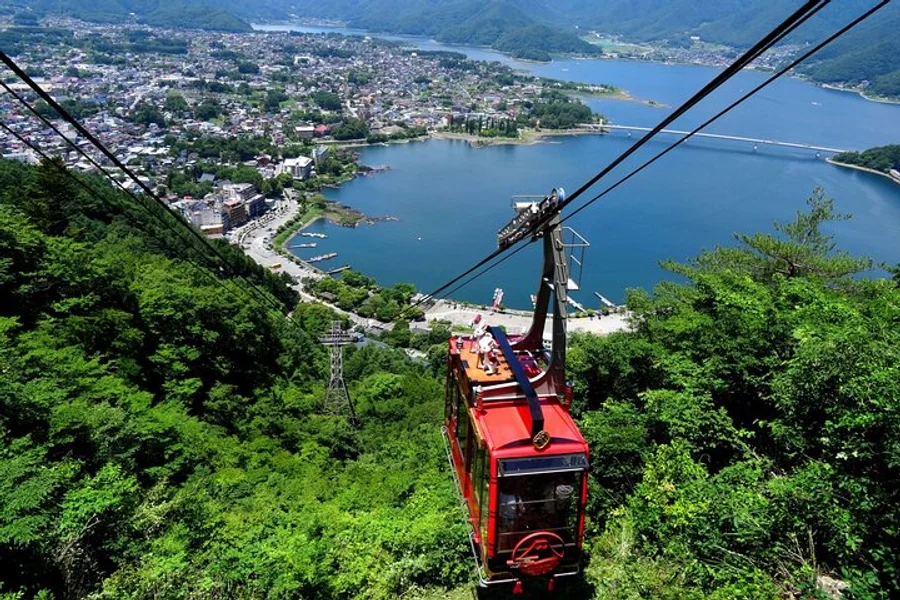
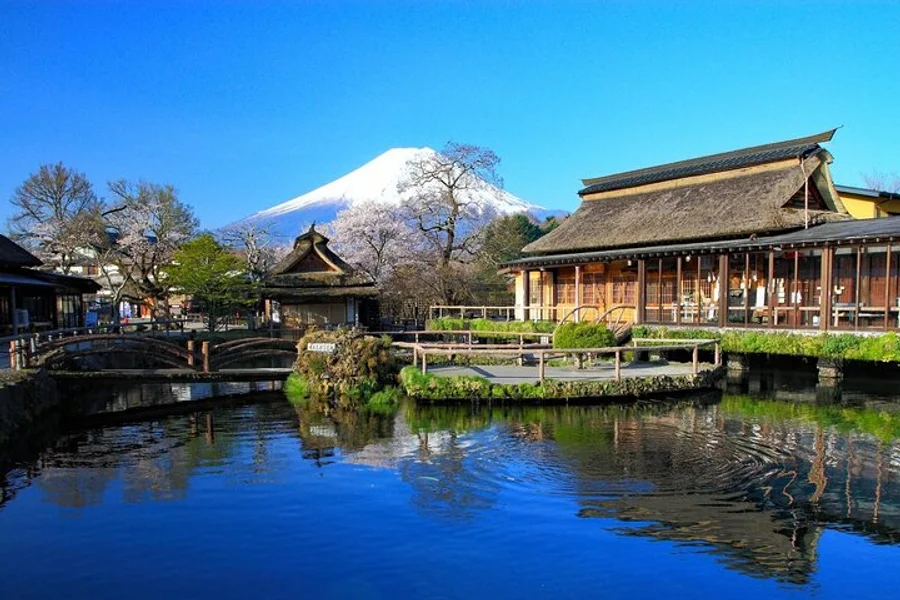
If your Tokyo weekend can stretch slightly, dedicating one day to seeing Mt. Fuji up close becomes absolutely worthwhile. These tours typically include Lake Kawaguchi’s postcard views, the Chureito Pagoda’s famous photo spot, and sometimes a ride on the Kachi Kachi Ropeway for panoramic perspectives. Going with a tour eliminates the transportation puzzle and ensures you hit the best viewpoints.
Tokyo Street Food Tours
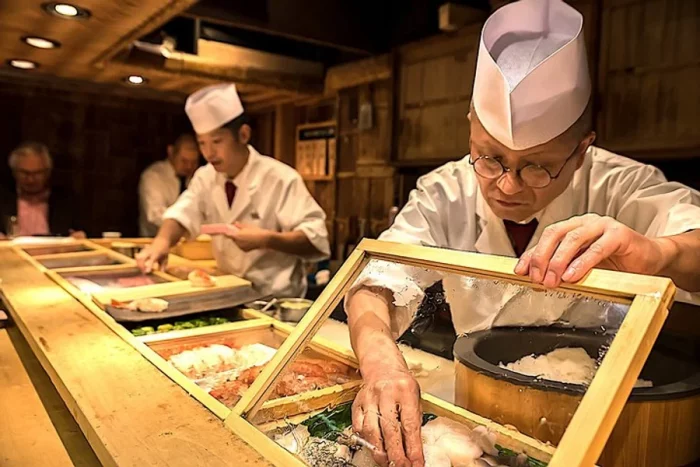
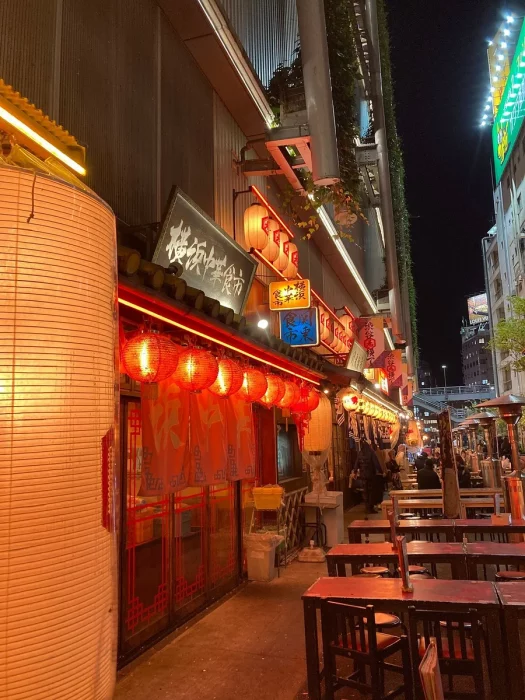
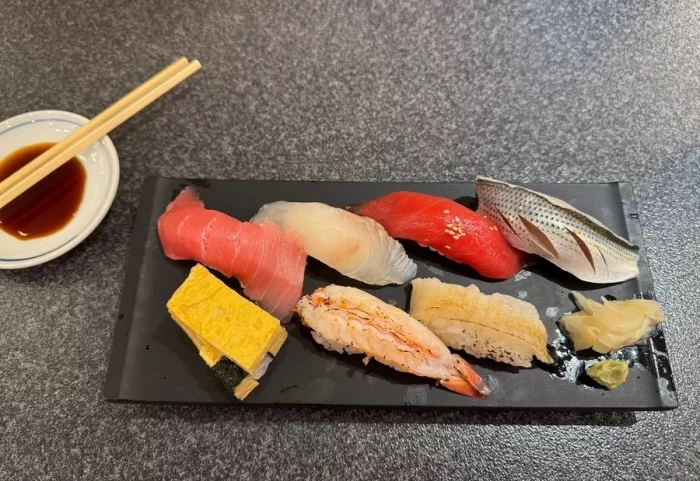
Food tours excel at introducing you to dishes and establishments you’d never find alone. Guides know which takoyaki stall makes the best version, where to find the most interesting seasonal specialties, and how to navigate ordering systems that confuse first-time visitors. The Shibuya and Asakusa food tours both deliver excellent value for the experience and knowledge they provide.
Sushi Making Class at a Michelin-Listed Restaurant
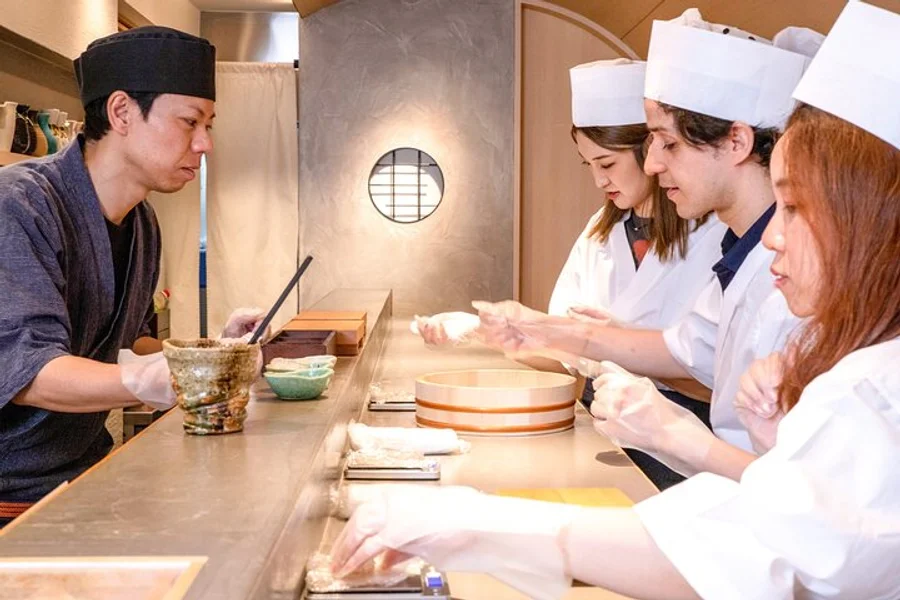
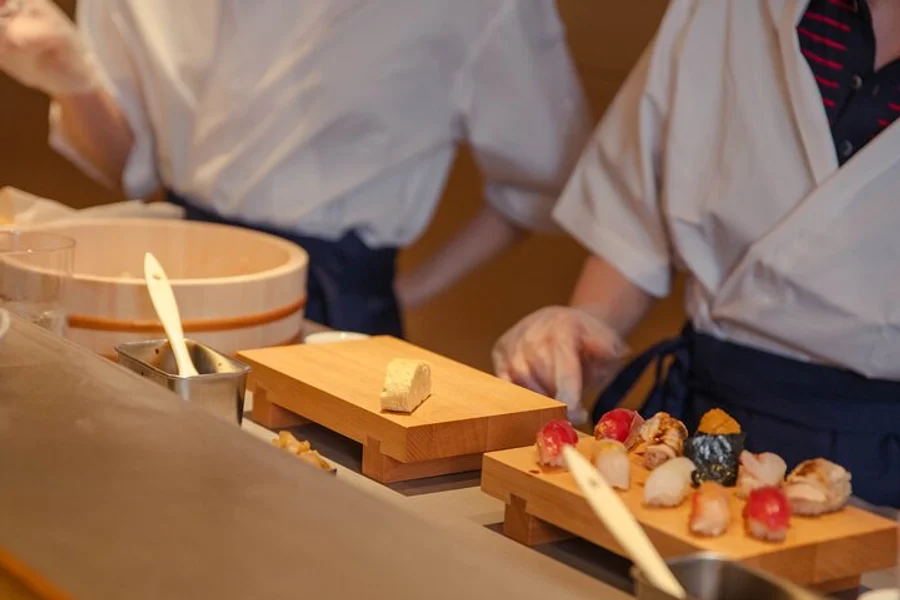
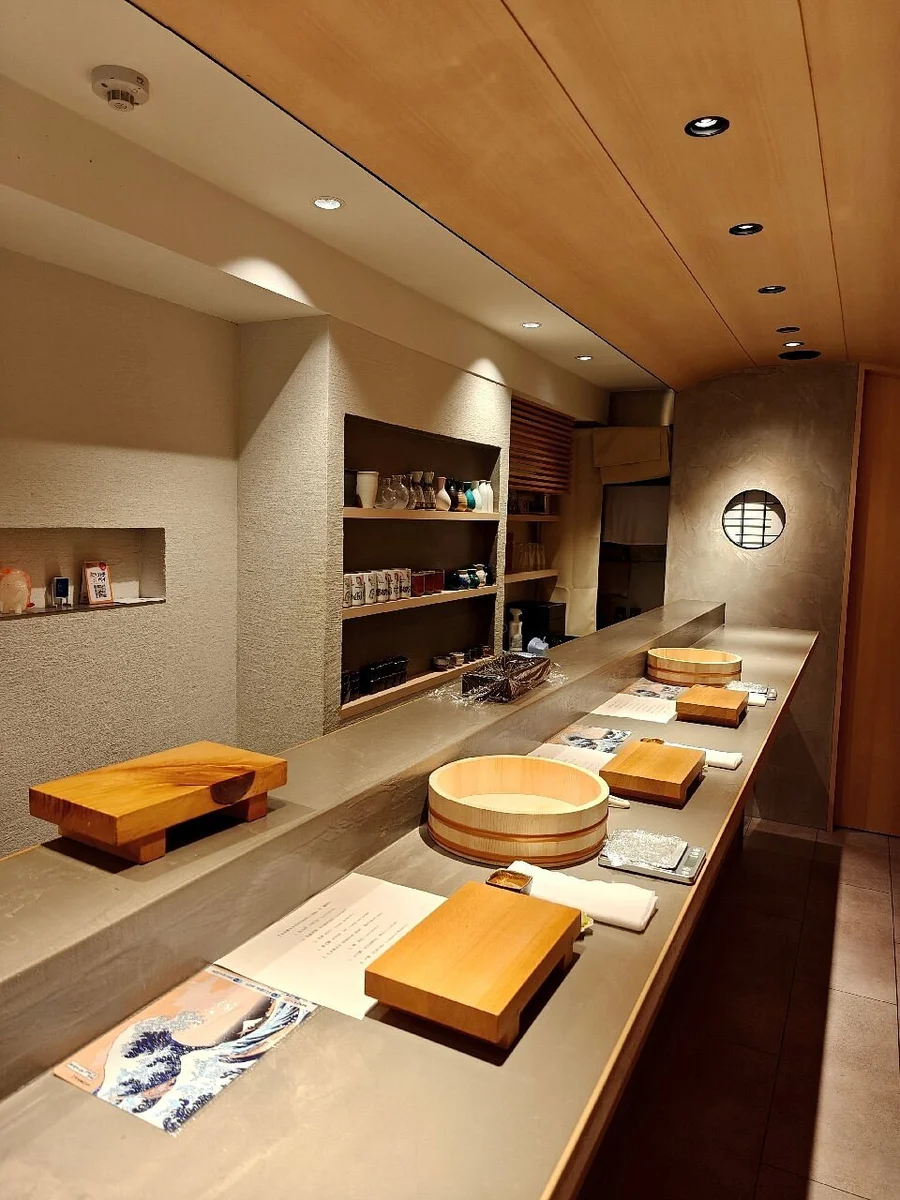
Learning to make sushi from professionals adds depth to every subsequent sushi meal. These classes teach proper rice preparation, knife techniques, and the subtle art of balancing flavors. You’ll leave with skills, photos, and a much deeper appreciation for the craft behind each piece of nigiri.
Ninja and Kabuki Cultural Shows

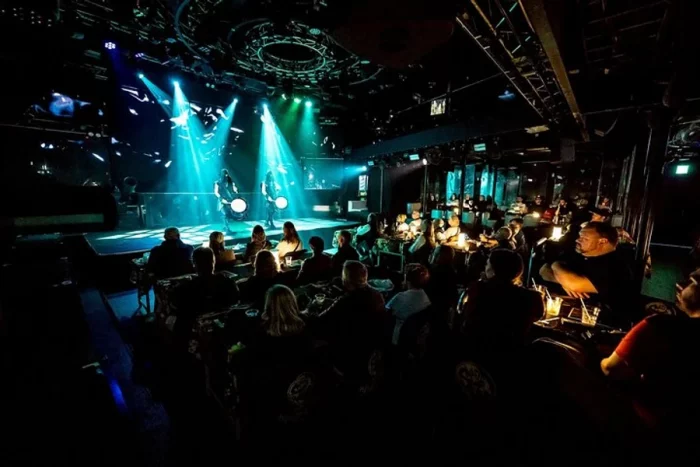
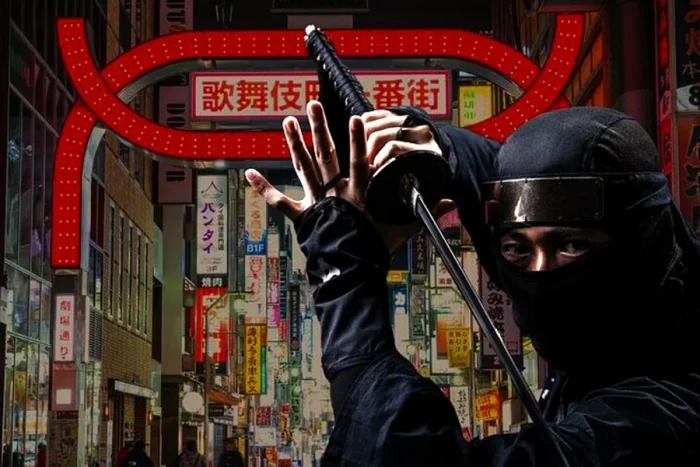
Traditional Japanese performance arts can feel intimidating to approach independently. These shows package the experience accessibly, with English explanations and dynamic presentations that entertain while educating. The ninja demonstrations combine martial arts with theatrical flair, while kabuki performances showcase centuries of dramatic tradition.
Tokyo Weekend Guide: What You Need to Know
A few practical details can dramatically improve your Tokyo Weekend Guide experience. These aren’t the sexy parts of travel planning, but getting them right makes everything else flow smoothly.
Transportation Essentials
Get a Suica or Pasmo card immediately upon arriving at the airport. These rechargeable IC cards work on all trains, subways, and buses throughout Tokyo, plus many convenience stores and vending machines. Tap to enter, tap to exit, no mental math or ticket machines required.
Tokyo’s trains run with Swiss precision, but avoid rush hour (roughly 7:30-9:30 AM and 5:30-7:30 PM) unless you enjoy being professionally compressed by white-gloved platform attendants. The experience borders on performance art, but probably not what you want during your limited weekend.
Google Maps works well for basic navigation, but download HyperDia or Japan Transit Planner for more detailed train routing. These apps show platform numbers, transfer times, and alternative routes that can save significant time.
Money and Payments
Japan remains surprisingly cash-dependent despite its technological advancement. Many small restaurants, shops, and even some larger establishments don’t accept cards. Carry enough yen for your daily activities, and know that 7-Eleven and Family Mart ATMs accept most international cards for withdrawals.
Speaking of convenience stores, they function as essential Tokyo infrastructure. Need breakfast? Convenience store. Want a decent lunch? Convenience store. Forgot phone chargers, need bandages, want a beer at 3 AM? Convenience store. The quality exceeds what “convenience store” suggests in most countries.
Cultural Considerations
Tokyo operates on quiet respect. Keep phone calls brief and quiet on trains. Don’t eat while walking on crowded streets. Queue orderly for everything. These aren’t strict rules that police will enforce, but following local norms creates smoother interactions and shows consideration for your surroundings.
Tipping doesn’t exist in Japan and can cause confusion or offense. The price you see includes excellent service. Say thank you (arigato gozaimasu), but leave the money alone.
Extending Your Tokyo Weekend Guide
If you can stretch your Tokyo weekend to include day trips, several destinations make excellent additions. Nikko offers stunning shrines and natural beauty about two hours north. Hakone provides hot springs, mountain views, and art museums within easy reach. Kamakura brings beach town atmosphere and the famous Great Buddha statue.
For travelers considering longer exploration of Japan beyond Tokyo, our curated Japan tour packages combine multiple cities and regions into comprehensive itineraries. These packages handle the logistics while giving you time to experience each destination properly.
Flying to or from Tokyo also deserves consideration. If you’re connecting through Tokyo’s airports, you might enjoy reading about our Japan Airlines business class experience, which shows how the Japanese approach to service extends even to the journey itself.
FAQs About Planning Your Tokyo Weekend Guide
Final Tips for Your Tokyo Weekend Guide
Arrive with an open mind about what Tokyo means. The city you imagine from movies and photos represents just fragments of a much larger, more complex place. Yes, you’ll see the neon and the crowds and the futuristic technology. But you’ll also discover quiet neighborhood shrines, tiny family-run restaurants unchanged for decades, and moments of unexpected beauty between the major attractions.
Don’t overschedule. The temptation with limited time is to pack every hour, but Tokyo rewards wandering. Some of my best Tokyo memories come from random discoveries: a perfect coffee shop down an unmarked alley, an incredible ramen place I stumbled into because it smelled amazing, a tiny park where salary workers eat lunch under cherry blossoms.
Take advantage of early mornings. Tokyo’s famous crowds thin dramatically before 9 AM. You can experience major attractions in relative peace, photograph without fighting for space, and see how locals actually use these spaces before tourists arrive.
Trust convenience stores more than you think you should. The food is legitimately good, the selection is vast, and the prices remain reasonable. Grabbing breakfast from a convenience store isn’t settling, it’s experiencing modern Japanese urban life.
Most importantly, remember that this Tokyo Weekend Guide is just your introduction. Two days will definitely make you want to come back. The city has a way of getting under your skin, making you realize that what you thought was enough time was really just a beginning. That feeling of wanting more? That means you did it right.
Whether you’re here to eat everything in sight, photograph every neon sign, or simply experience how a city this size can function so smoothly, Tokyo delivers experiences that stay with you long after you leave. Use this Tokyo Weekend Guide as your framework, but leave room for spontaneity. The best moments often happen between the planned ones, in the spaces where you let Tokyo surprise you.

Best Travel Tips
Book Your Flight
Find the cheapest flight by using Skyscanner. For over a decade I've found it to nearly always offer the best deals.
Book Your Accommodation
You can book your hotel or guesthouse with Agoda as it consistently has the best rates.
Always Use Travel Insurance
Travel insurance safeguards you against illness, injury, theft, and cancellations, providing peace of mind if anything goes wrong. My top pick for excellent service and value is SquareMouth (best for all age groups.)
Need Help Finding Activities for Your Trip?
- Economy to Mid-Range
- TripAdvisor
- Go With Guide Mid-Range to Luxury
- TRAFALGAR
Stay Connected While Traveling
Cheapest Way to Transfer Money
I’ve been using XE for all my international money transfers, and it’s been a game changer. The fees are super low, and I get the real exchange rate which saves a lot. The normal fee is usually just a couple dollars per transaction.
Ready to Book Your Trip?
Take a look at my resource page for top travel companies and tips. I’ve listed all my personal favorites that I've used over years of full-time travel, each best in class, so you can’t plan your trip wrong!


