Last updated on August 30th, 2026

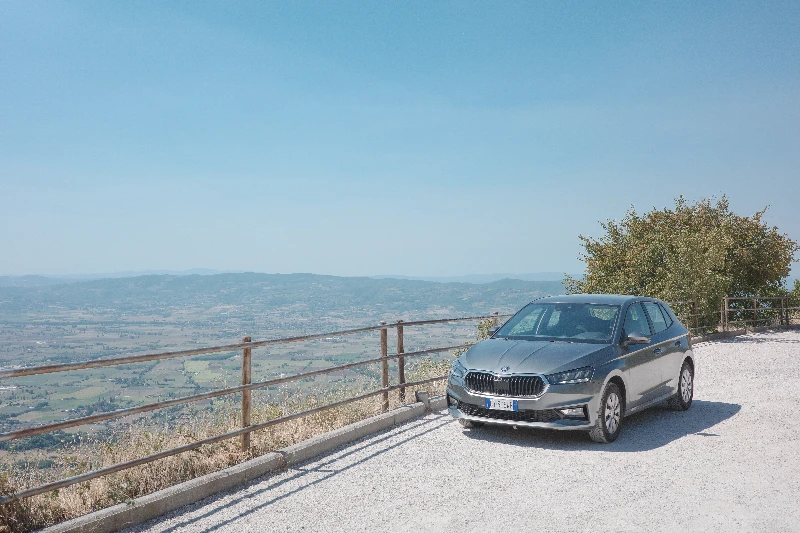
Photo by Ludovic Delot on Pexels
Travel has a funny way of making a reasonable budget disappear. You find a cheap flight, feel like you’ve scored a deal, and then the baggage fees, airport transfer, hotel extras, restaurant bills, and attraction tickets start piling up.
Fortunately, saving money on a trip doesn’t always mean staying in the cheapest hotel or living on instant noodles. A few strategic decisions before and during your trip can make a noticeable difference. Here are six smart moves that will significantly reduce your travel budget.
- Turn Things You Don’t Need Into Travel Money
Before a major trip, look around your home. Is there anything sitting unused that could help pay for it? An old phone, furniture, electronics, or even a second vehicle can represent money that’s currently doing nothing for you.
If you live somewhere like Houston and have a car you rarely use, selling it for cash could create a useful travel fund. Cash for cars Houston services can make the process easier when you’re ready to part with the vehicle.
The bigger idea is simple: don’t only look for ways to spend less. Look for ways to create more money for the trip, too.
- Look Beyond the Obvious Flight Route
Your closest airport might not always offer the most economical option for starting your trip. Occasionally, securing a flight from a different nearby city and arranging your travel to reach there can lower the total cost.
These are referred to as positioning routes. They do require a bit more planning, but the savings can be significant, particularly for pricey international flights. Just make sure to allow sufficient time between different tickets. Saving $150 won’t feel like much of a saving if a delayed initial flight causes you to miss the subsequent one.
- Travel During the Shoulder Season
You don’t always need to visit a destination during its busiest months. The weeks just before or after peak season can offer a much better balance between price and experience. Traveling during the shoulder season gives you some of the benefits of both peak- and off-season travel. You can enjoy the lower prices as well as great weather.
Flights and hotels may be cheaper, popular attractions can be less crowded, and you still get much of what made the destination appealing in the first place. Depending on where you’re going, traveling a few weeks earlier or later could save you a significant amount.
- Put Your Hotel Spending to Work
If you regularly stay with a particular hotel chain, check whether your credit card or loyalty program offers a promotion before booking.
Co-branded hotel cards and loyalty programs can provide points, free-night certificates, room upgrades, or other perks. Even if you don’t travel constantly, using the right rewards for a trip you’re already planning can reduce what comes out of your pocket.
The key is to look at the benefits before spending, not to spend more simply because you want points.
- Make Lunch Your Big Restaurant Meal
Want to try a restaurant that’s normally outside your budget? Check its lunch menu. Many restaurants offer similar dishes or tasting experiences at lunch for noticeably less than dinner.
You can enjoy the food without paying the premium that often comes with an evening reservation. Then keep dinner simple. A local market, casual café, food hall, or neighborhood takeaway can be just as satisfying after a bigger lunch.
- Don’t Let the Airport Eat Your Budget
Airport transportation is an easy expense to overlook. Taxis and rideshares are convenient, but they’re rarely your only option.
Before leaving home, check whether your destination has an airport express bus, public train, or shuttle service. These options can cost a fraction of a private ride.
The same idea applies once you’re sightseeing. Walking, using public transportation, and grouping attractions by neighborhood can keep transportation costs under control.
Endnote
An affordable journey can still be a fulfilling one. Planning your flight schedules, selecting transportation wisely, eating mindfully, utilizing rewards, and monetizing idle belongings can free up more money for the experiences you truly value. Often, the greatest travel savings come not from discounts but from making smarter choices prior to your departure.