Last updated on July 19th, 2026
They Don’t Spend on Hotels
Or rather, they don’t overspend on hotels. The instinct to upgrade accommodation is understandable — a nicer room feels like a more comfortable trip — but in practice the hours spent in a hotel room are the hours spent sleeping, and the marginal improvement in sleep quality between a good three-star and a five-star is not worth the difference in price for most people. The best travellers tend to book somewhere clean, well-located, and comfortable enough, and redirect the money they save towards things that actually shape the experience of being somewhere.
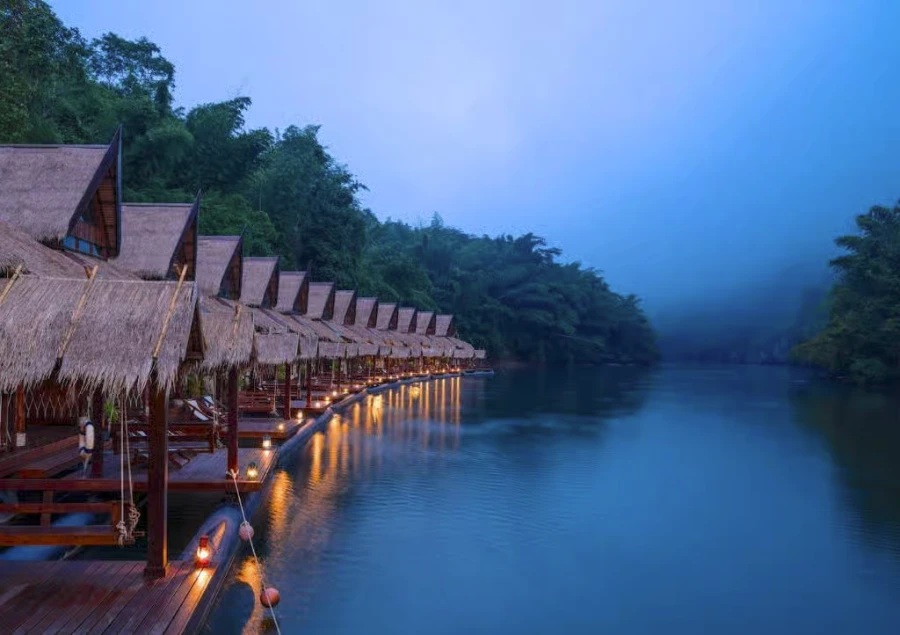
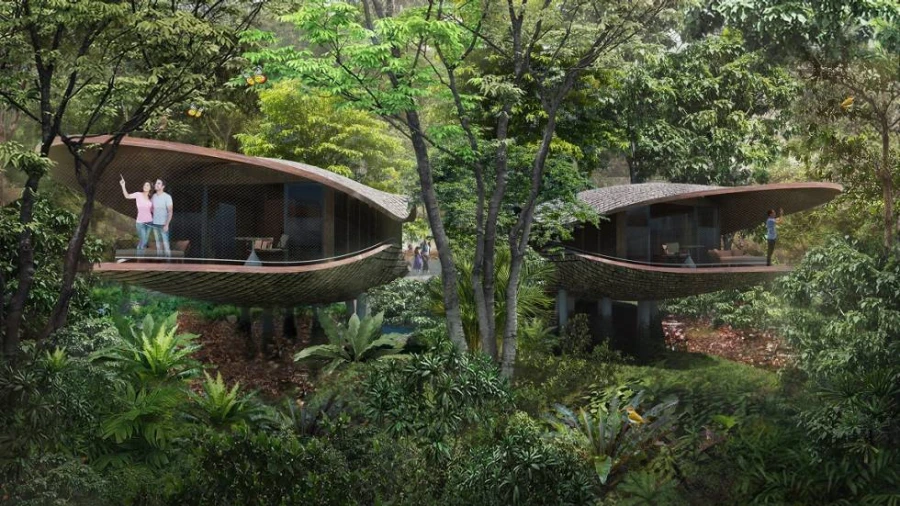
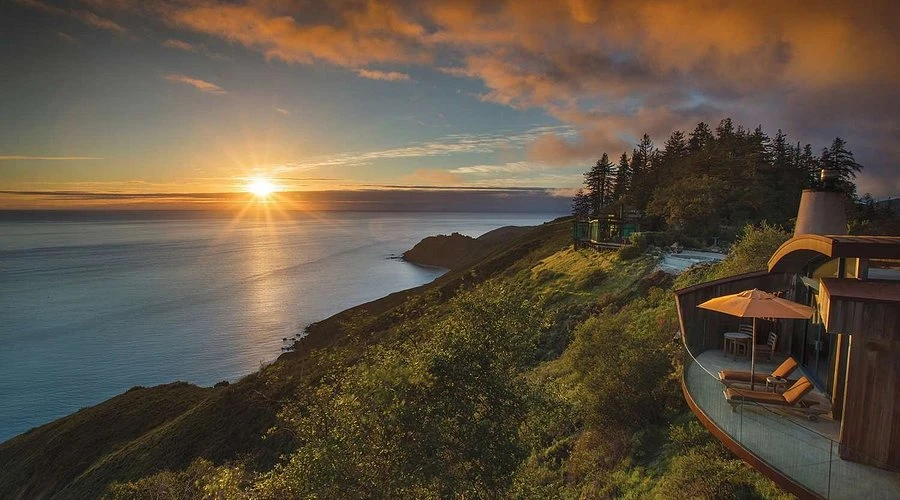
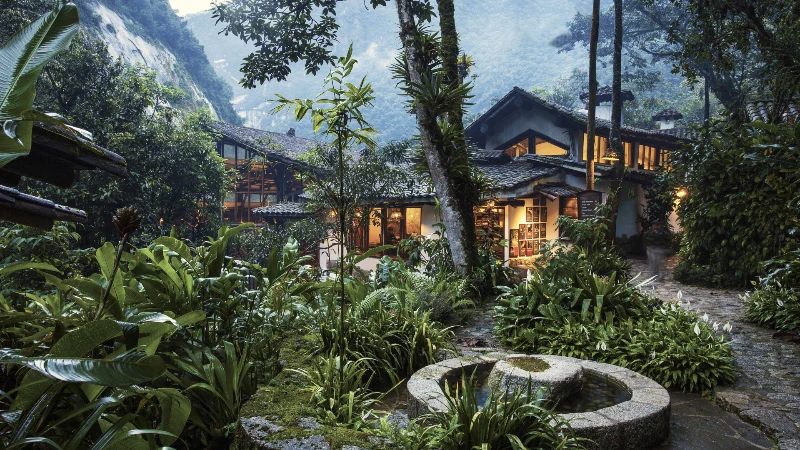
There are exceptions. If the accommodation is the destination — a remote lodge in a national park, a working farm in the hills, a boat that takes you somewhere you couldn’t otherwise reach — then spending on it makes complete sense because you are not paying for a room, you are paying for an experience. The distinction is worth keeping clearly in mind when planning a trip.
They Spend on Access
The most consistent pattern in how experienced travellers allocate their budgets is a willingness to spend on whatever gets them closest to the thing they came to see. A guide who has spent thirty years in a landscape and knows where the light falls best in the morning. A permit that opens a trail closed to casual visitors. A boat that takes you to an island with no ferry service. A vehicle capable of reaching terrain that ordinary hire cars cannot handle.
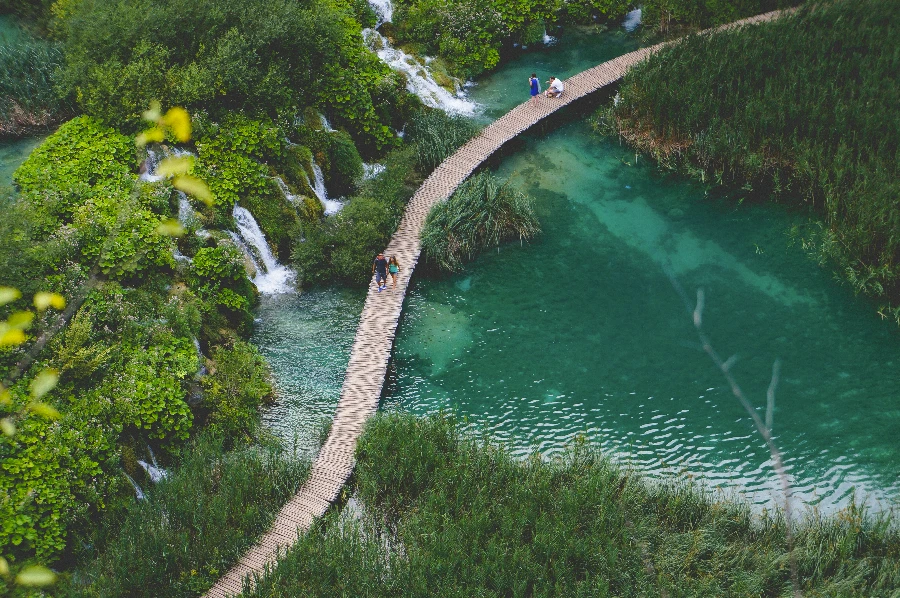
This principle applies across very different kinds of travel and very different budget levels. At the higher end, it is what drives the appeal of a luxury yacht charter Croatia — the ability to reach the uninhabited islands, the hidden coves, and the stretches of Dalmatian coastline that are simply not accessible any other way. The yacht is not primarily a comfort upgrade. It is an access upgrade, and the places it reaches justify the cost in a way that a better hotel room almost never does.
“Spend on what gets you there. Cut back on everything that happens once you’ve arrived and stopped moving.”
They Spend on Food, Selectively
The best travellers eat well, but they are not consistent about it. They will spend seriously on one meal — the restaurant that requires a reservation three months in advance, the tasting menu that takes four hours and tells you everything about a regional cuisine — and eat cheaply the rest of the time without feeling they are missing anything. A market lunch, a bakery breakfast, a glass of local wine at a bar that has no menu — these things cost almost nothing and are often more memorable than the expensive meal in a well-reviewed restaurant.
The skill is knowing which meal is worth spending on and which isn’t, and not applying the same logic uniformly to every eating occasion on a trip. Most travellers either spend too consistently or not enough, and both approaches miss something.
They Spend on Time
Perhaps the most counterintuitive pattern is a willingness to spend money on having more time somewhere. An extra night in a place that turns out to be worth it. A slower train that takes twice as long but goes through better country. A guided walk that covers half the distance of a self-guided one but stops more often and in better places. In each case the expenditure is not on a thing but on time — time to be somewhere properly, time to let a place reveal itself at its own pace rather than the pace dictated by a tight itinerary.
This is the hardest thing to spend money on because it produces no tangible object and is difficult to justify in advance. It is also, consistently, what the best travellers say was worth it when they look back on a trip. Not the upgrade, not the famous restaurant, not the expensive view — but the extra day they almost didn’t take, when everything they came for finally came together.