Last updated on August 9th, 2026
The Problem With Mediterranean Hype
The Mediterranean is the most visited region on earth, which means it has also been the most marketed, the most photographed, and the most aggressively packaged into holiday products that promise something the actual experience frequently fails to deliver. The postcard version — clear water, empty beaches, whitewashed villages, unhurried lunches — exists, but it requires some effort to find. The version that most package holidays deliver is something considerably more crowded, more expensive, and more generic than the brochure suggested.
The trips that genuinely live up to expectations tend to have one thing in common: they are built around a specific way of experiencing the region rather than simply being in it. The destination matters less than the approach, and the approach that consistently delivers is the one that keeps you moving slowly through the landscape rather than stationary within it.
The Dalmatian Coast by Boat
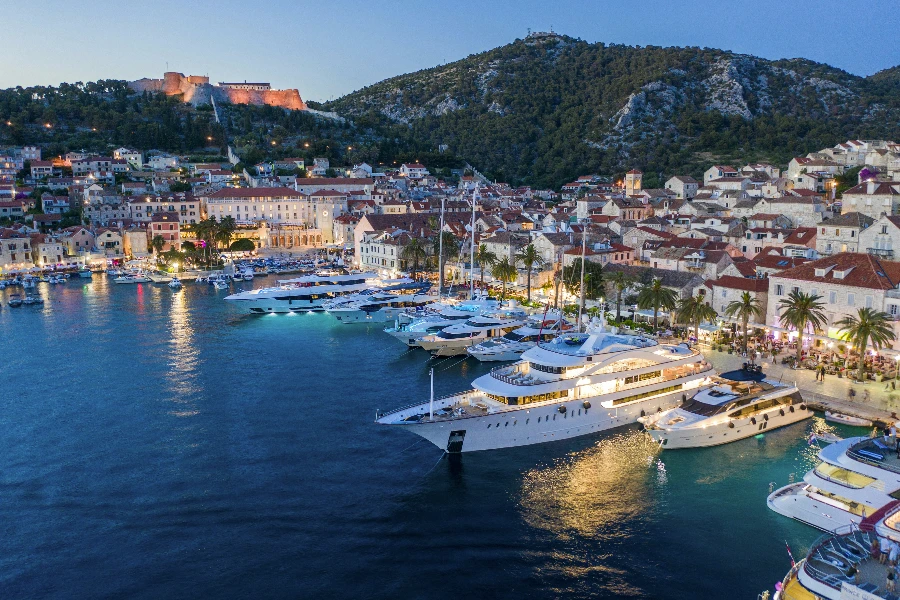
Croatia’s Dalmatian coast is one of the most genuinely beautiful stretches of coastline in the Mediterranean, and it is also one of the most easily ruined by the wrong kind of trip. Dubrovnik in July is a lesson in what happens when a place becomes too famous for its own good. Split’s old town, extraordinary as it is, can feel more like a theme park than a living city when the cruise ships are in. The crowds are real and they are not going anywhere.
The solution is to leave the land behind entirely. A Croatia gulet holiday — spending a week aboard one of the traditional wooden vessels that sail the Adriatic between islands, coves, and small harbour towns — puts you in contact with a version of the coast that is almost entirely separate from the tourist trail. The anchorages a gulet reaches are inaccessible by road. The islands it stops at are the ones with a single konoba serving whatever was caught that morning. The water is clear because almost nobody else is there. It is the Dalmatian coast as it was before it became famous, and it is consistently one of the most satisfying weeks anyone spends in the Mediterranean.
“The Croatia that most people go looking for is still there. You just have to arrive by sea.”
The Greek Islands on a Slow Ferry
Greece suffers from the same problem as Croatia at its worst — a handful of islands so famous that they have become almost entirely given over to the business of being visited. Santorini and Mykonos are spectacular in photographs and genuinely difficult to enjoy in person during peak season. But the Greek island network is vast, and the islands that most visitors never reach are often the ones worth going to.
Travelling between them on the slow overnight ferries rather than on budget flights changes the experience completely. You arrive somewhere at dawn, having slept on the boat, with no particular plan and the whole day ahead of you. The islands that suit this kind of arrival — Ikaria, Folegandros, Tilos, Kastellorizo — are the ones that have kept their character because the logistics of getting there have always filtered out the casual visitor. They are not undiscovered, but they are genuinely unhurried in a way that the famous ones have largely ceased to be.
Southern Italy Away From the Coast
The Amalfi Coast is one of the most beautiful and one of the most unpleasant places to spend a summer holiday in Italy. The road is narrow, the towns are vertical, the parking is nonexistent, and the prices reflect the captive audience that the scenery creates. Thirty minutes inland, in the mountains of Cilento or the hill towns of Basilicata, the Italy that the coast promises but rarely delivers is there in full — good food, empty roads, accommodation that costs a fraction of what the seafront charges, and a pace of life that has not been adjusted for tourism.
Matera, carved into a ravine in Basilicata and one of the oldest continuously inhabited settlements in the world, is the most dramatic example — a city that was genuinely unknown outside Italy until relatively recently and still receives a fraction of the visitors that comparable places elsewhere attract. The surrounding region rewards a week of slow driving through landscapes that feel entirely untouched by the Mediterranean tourist economy, which is precisely what makes them worth the trip.