Last updated on July 19th, 2026
Most hotel restaurants source ingredients the same way a mid-range supermarket does. A phone call, a delivery truck, a box of produce that left a farm three days ago.
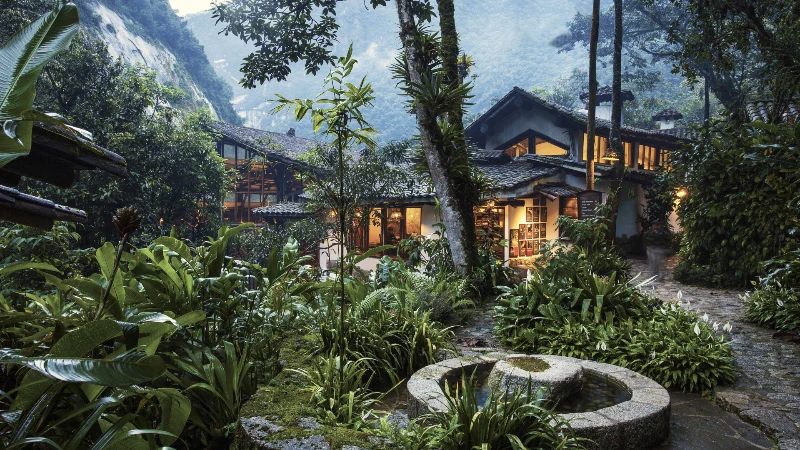
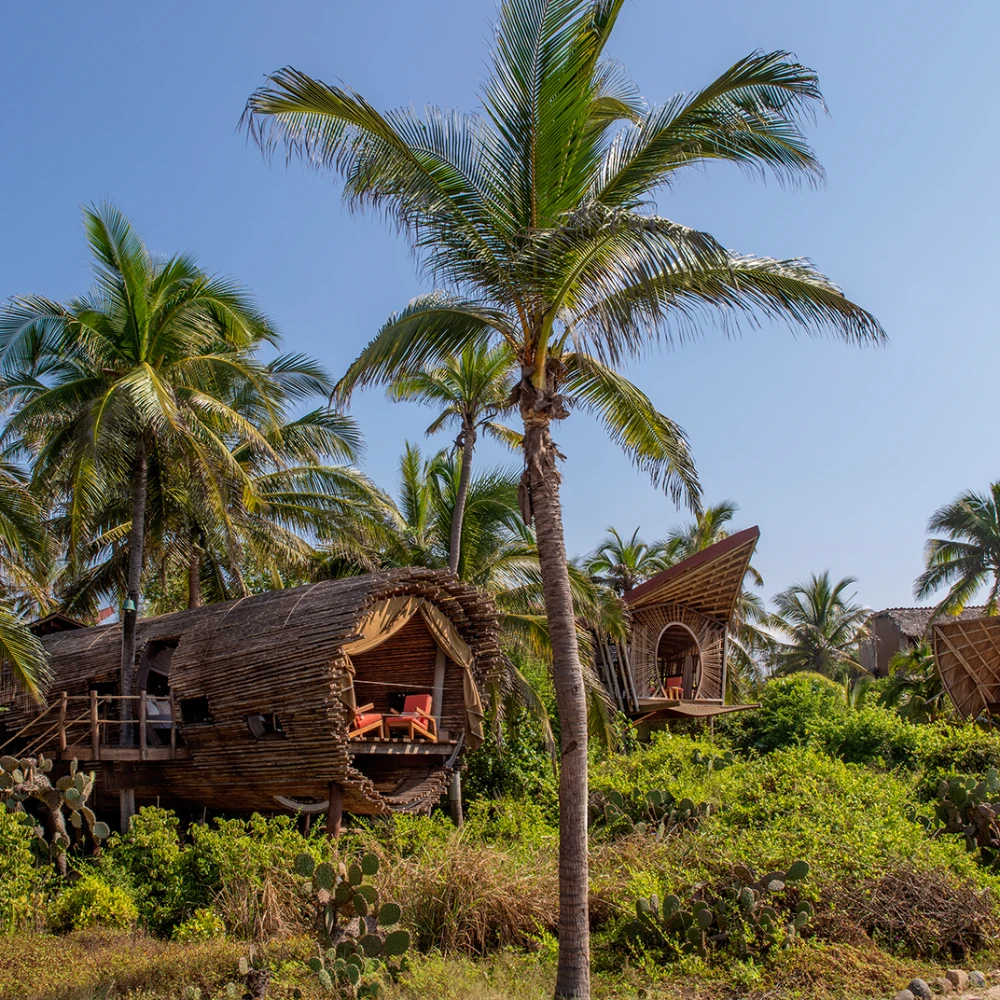
There is a different kind of hotel. One where the chef walks into a garden at 6am and decides the menu based on what is ready. Where the tomatoes on your plate were on the vine at breakfast. Where you can visit the bees that made the honey in your tea. These are ten of the best farm-to-table hotels in the world, across five continents, every kind of landscape, and one shared conviction: the land comes first.
Why Stay at a Farm-to-Table Hotel?
Farm-to-table hotels offer something no amount of Michelin stars can replicate when the kitchen is separated from the source:
🌿 Produce harvested hours before it reaches your plate, at peak flavor and nutrition
🧑🍳 Menus that change daily based on what is ready, not what a supplier can deliver
🐝 Direct connections to the land, including harvests, beekeeping, and cooking classes
🥦 Closed-loop food systems where compost feeds the farm that feeds the kitchen
🌍 Food that could not exist anywhere else: this soil, this season, this chef
10 Farm-to-Table Hotels Where the Garden Comes First
1. Blackberry Farm (Walland, Tennessee, USA)
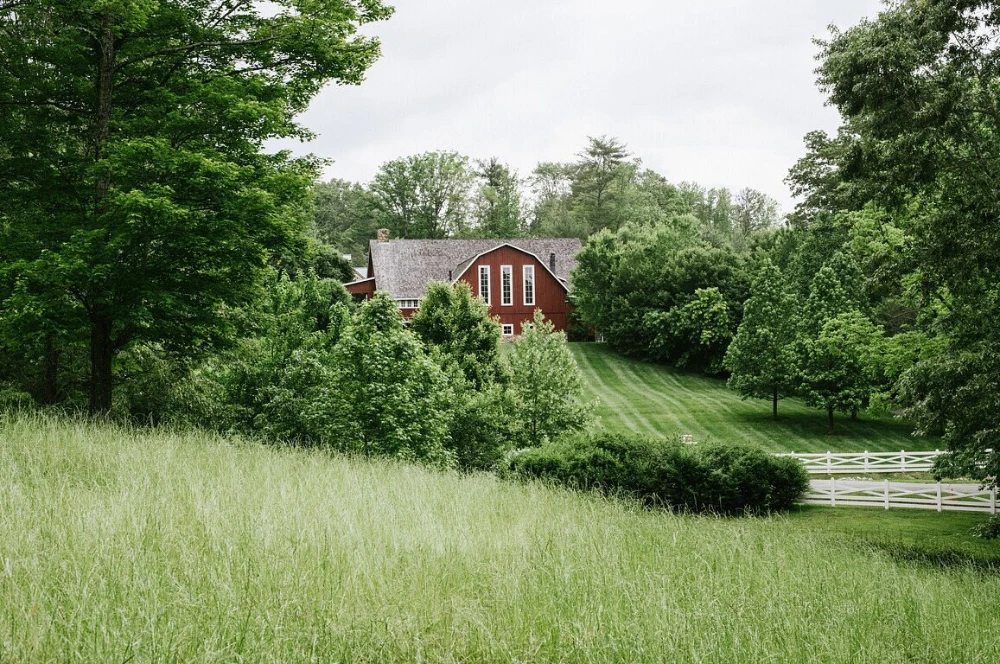
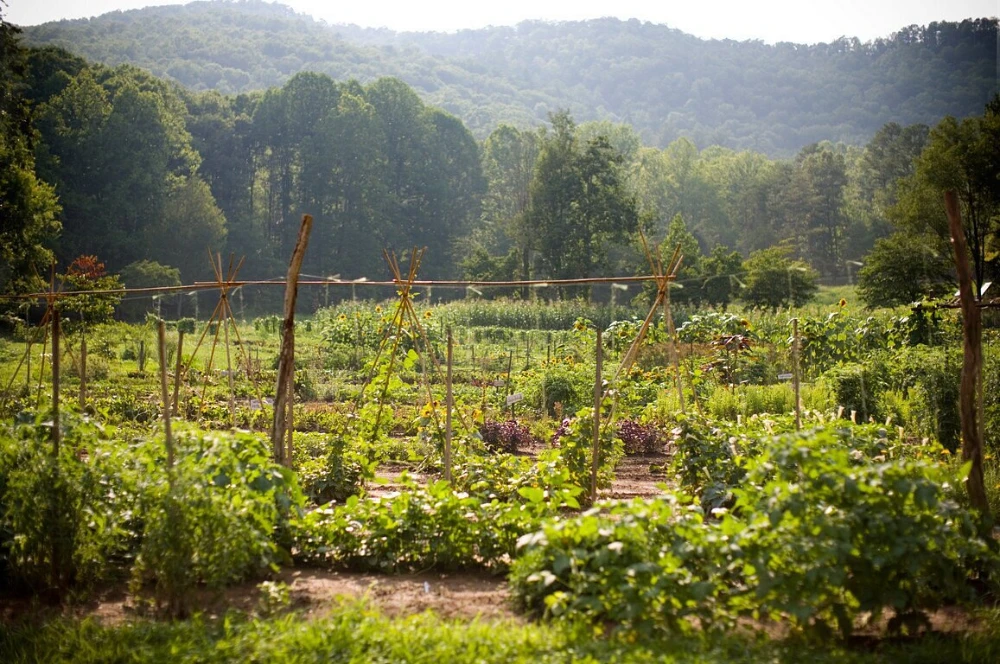

The blueprint for the entire category. Blackberry Farm is a 4,200-acre Relais and Chateaux estate in the Great Smoky Mountains, farming its own land since 1976. The property employs its own butcher, cheesemaker, beekeeper, and preservationist. Staff forage for wild mushrooms, ramps, and muscadines. The James Beard Award-winning restaurant The Barn runs a hyper-seasonal menu built entirely on what the estate produces that week. Named the number one resort in the South by Travel and Leisure in 2024. Reserve The Barn before you arrive. It will be the best meal of the trip.
- Location: Walland, Great Smoky Mountains, Tennessee, USA
- Highlights: 4,200-acre estate farming since 1976; in-house butcher, cheesemaker, beekeeper, and preservationist; James Beard Award-winning The Barn restaurant; wild foraging program; Travel and Leisure number one resort in the South (2024)
- Perfect for: Serious food travelers, special occasions, those who want the definitive American farm-to-table hotel experience
2. Bambu Indah (Ubud, Bali, Indonesia)
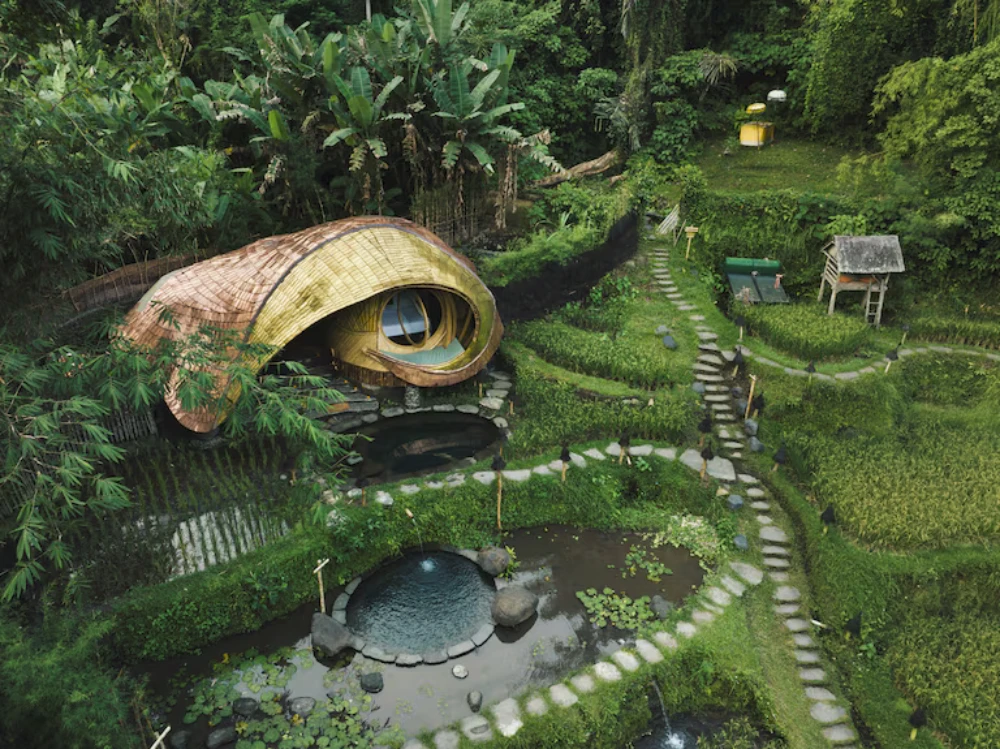
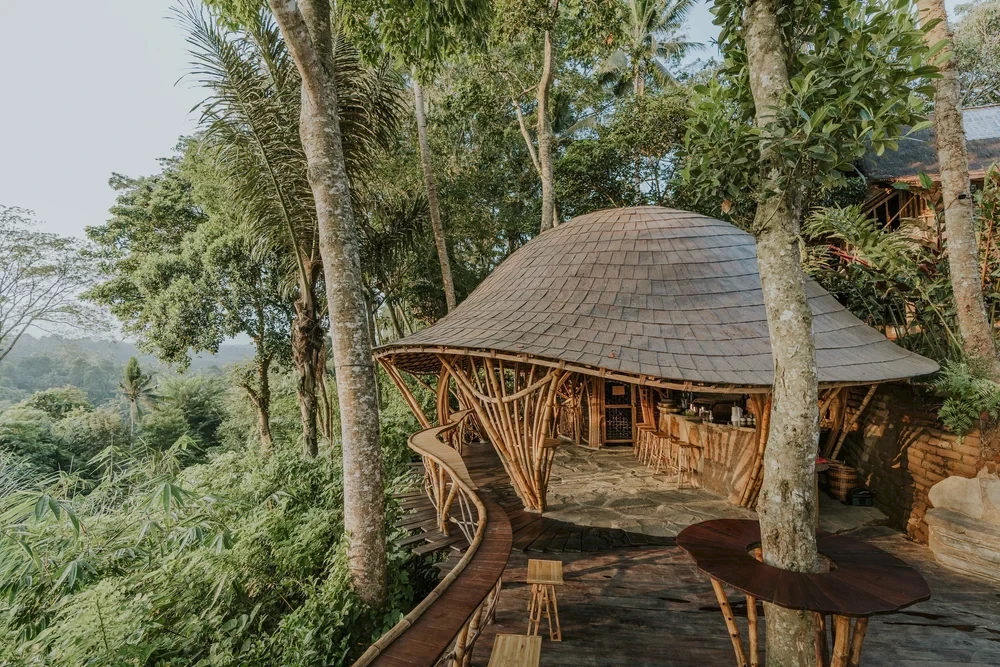
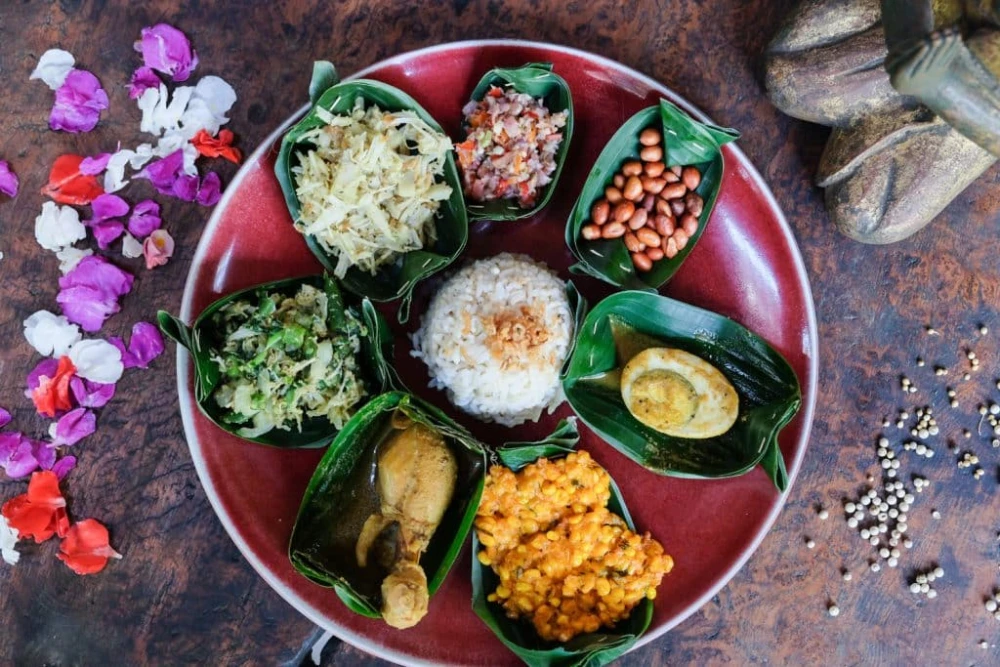
Built from reclaimed teak and bamboo on Ubud’s Sayan Ridge, Bambu Indah is a permaculture laboratory that also happens to have extraordinary rooms. Guests grow produce, cultivate mushrooms in an underground farm, and harvest rice from paddies outside their windows. Ancient Balinese Subak irrigation runs alongside modern permaculture principles. The kitchen uses 75 percent Indonesian-produced ingredients under Slow Food Bali guidelines. Breakfast overlooking the Ayung River gorge (homemade bread, house-made condiments, produce cut that morning) is the kind that ruins every hotel breakfast afterward.
- Location: Sayan Ridge, Ubud, Bali, Indonesia
- Highlights: Underground mushroom farm; rice paddy harvesting; ancient Subak irrigation; 75% Indonesian ingredients under Slow Food Bali guidelines; Ayung River gorge views; reclaimed teak and bamboo construction
- Perfect for: Permaculture enthusiasts, travelers wanting hands-on Balinese food culture, those who want a farm stay that also happens to be visually stunning
3. Sao Lourenco do Barrocal (Alentejo, Portugal)
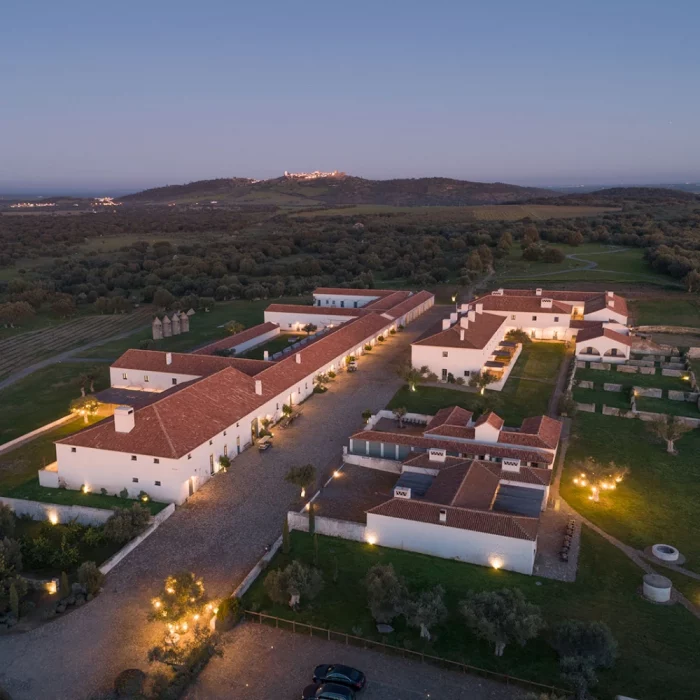

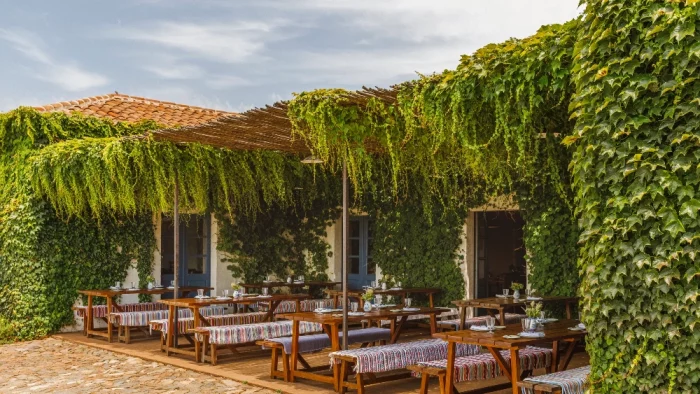

The same family has owned this 780-hectare estate for over 200 years. They built a hotel inside it without changing what the land is for. Sao Lourenco do Barrocal has centuries-old olive groves, an on-site winery, walled kitchen gardens, orchards, and stables. Every plate includes something grown, foraged, or produced on the estate. The menu changes with the land, not with a supplier’s availability. One of the best-value entries on this list for the depth of the agricultural experience.
- Location: Alentejo, Portugal (780-hectare estate owned by the same family for 200 years)
- Highlights: Centuries-old olive groves; on-site winery; walled kitchen gardens; orchard and stables; every plate from the estate; menu driven by the land not a supplier
- Perfect for: Wine and food travelers, those exploring Portugal’s Alentejo region, guests wanting a genuine multi-generational estate experience
4. Nihi Sumba (Sumba Island, Indonesia)
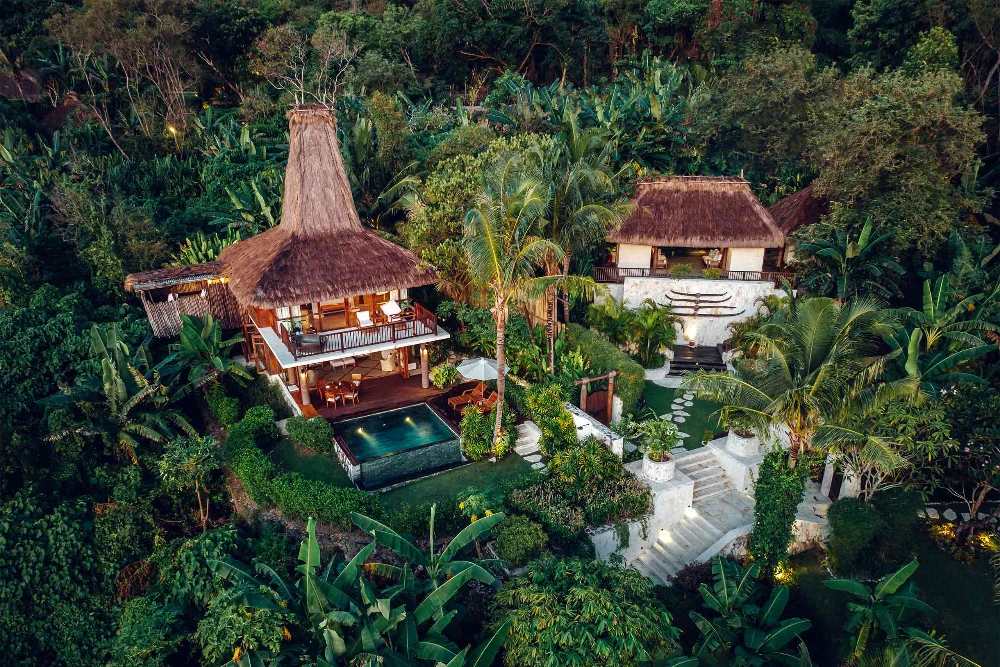


On a remote island that most travelers bypass on the way to Bali, Nihi Sumba has built what Travel and Leisure once named the world’s best hotel around one core principle: farm the land you are on. Permaculture food forests supply the kitchen with tropical fruits, herbs, and edible flowers grown using regenerative techniques. Guests sip herbal tonics from garden botanicals and eat seafood caught by local artisan fishermen the same morning. The Sumba Foundation, the resort’s charitable arm, means your stay also funds healthcare and clean water for surrounding villages.
- Location: Sumba Island, East Nusa Tenggara, Indonesia
- Highlights: Permaculture food forests with tropical fruits, herbs, and edible flowers; same-morning artisan-caught seafood; herbal tonic garden; Sumba Foundation funds local healthcare and clean water; formerly Travel and Leisure’s world’s best hotel
- Perfect for: Travelers who want the most remote and genuinely integrated farm hotel in Southeast Asia, those who want their stay to fund local development
5. Finca Serena (Mallorca, Spain)

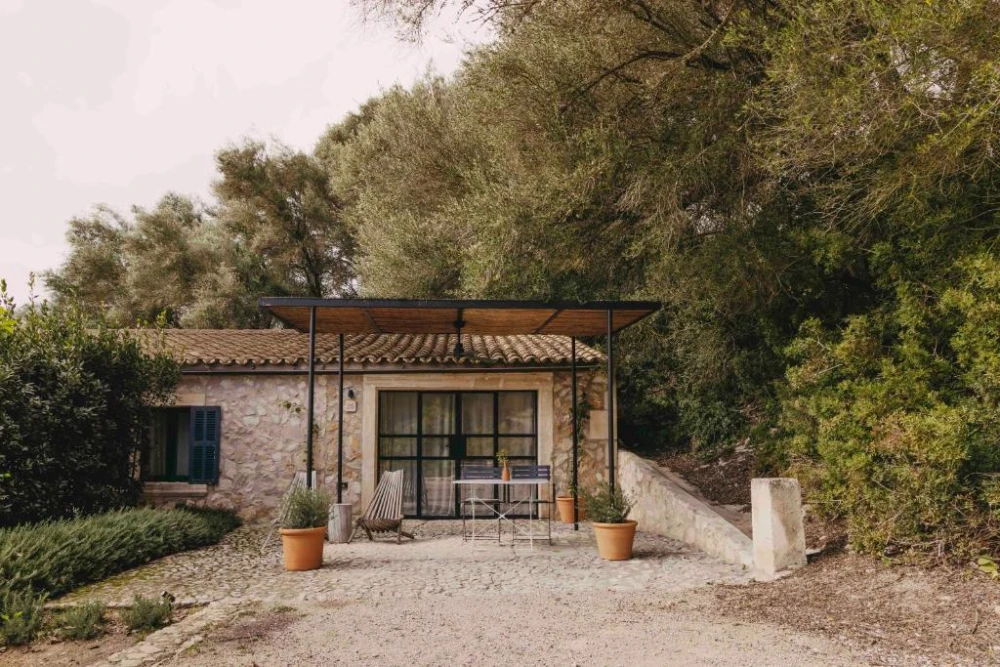
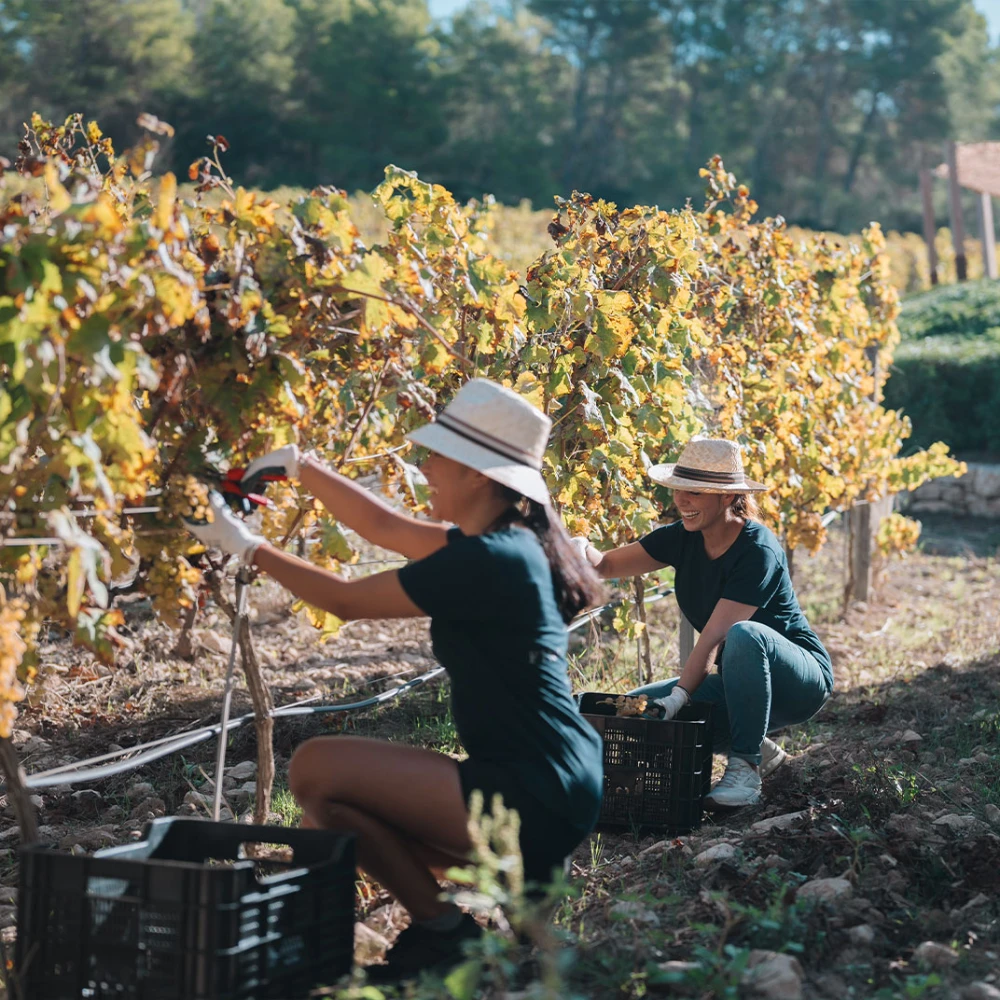
An adult-only retreat on 50 hectares of vineyards, olive trees, and citrus groves, with a kitchen led by two-Michelin-starred chef Oscar Velasco. Finca Serena runs three organic vegetable gardens and an estate vineyard that drive a menu changing daily based on what is ready. Sea urchin custard with fennel from the garden. Mallorcan black pork glazed with estate honey. Wine made from grapes you walked past at dusk. Dinner under the stars in the vineyard is the kind of meal that puts the rest of the trip in the shade.
- Location: Mallorca, Balearic Islands, Spain (50-hectare estate)
- Highlights: Two-Michelin-starred chef Oscar Velasco; three organic vegetable gardens; estate vineyard; daily-changing menu; adult-only property; vineyard dinner under the stars
- Perfect for: Serious food travelers, adult couples wanting Mallorca at its most refined, those who want Michelin-level cooking rooted entirely in the estate
6. Craveiral Farmhouse (Alentejo, Portugal)
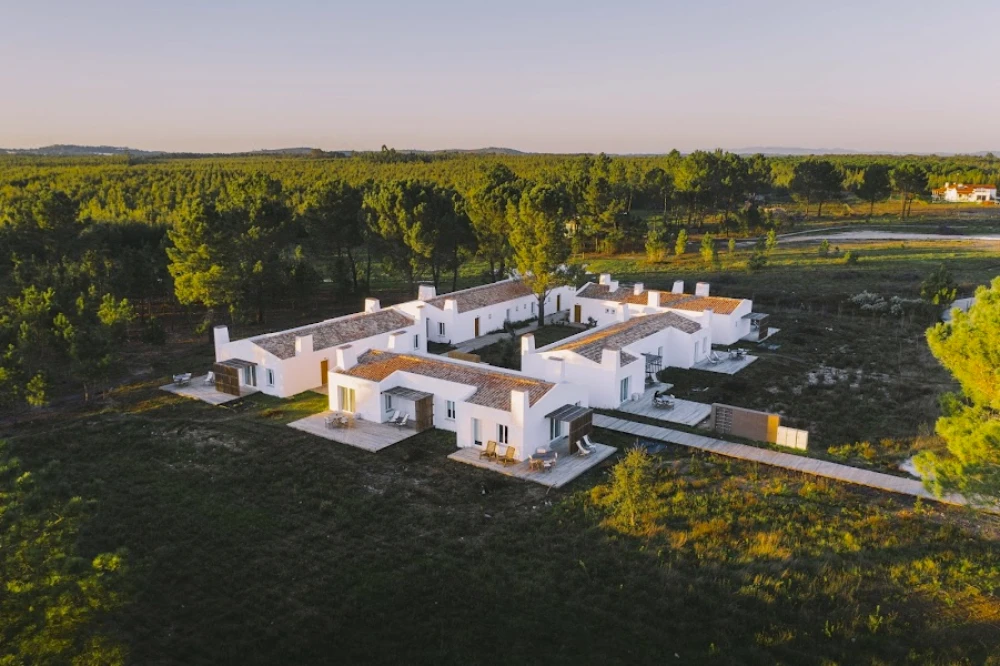
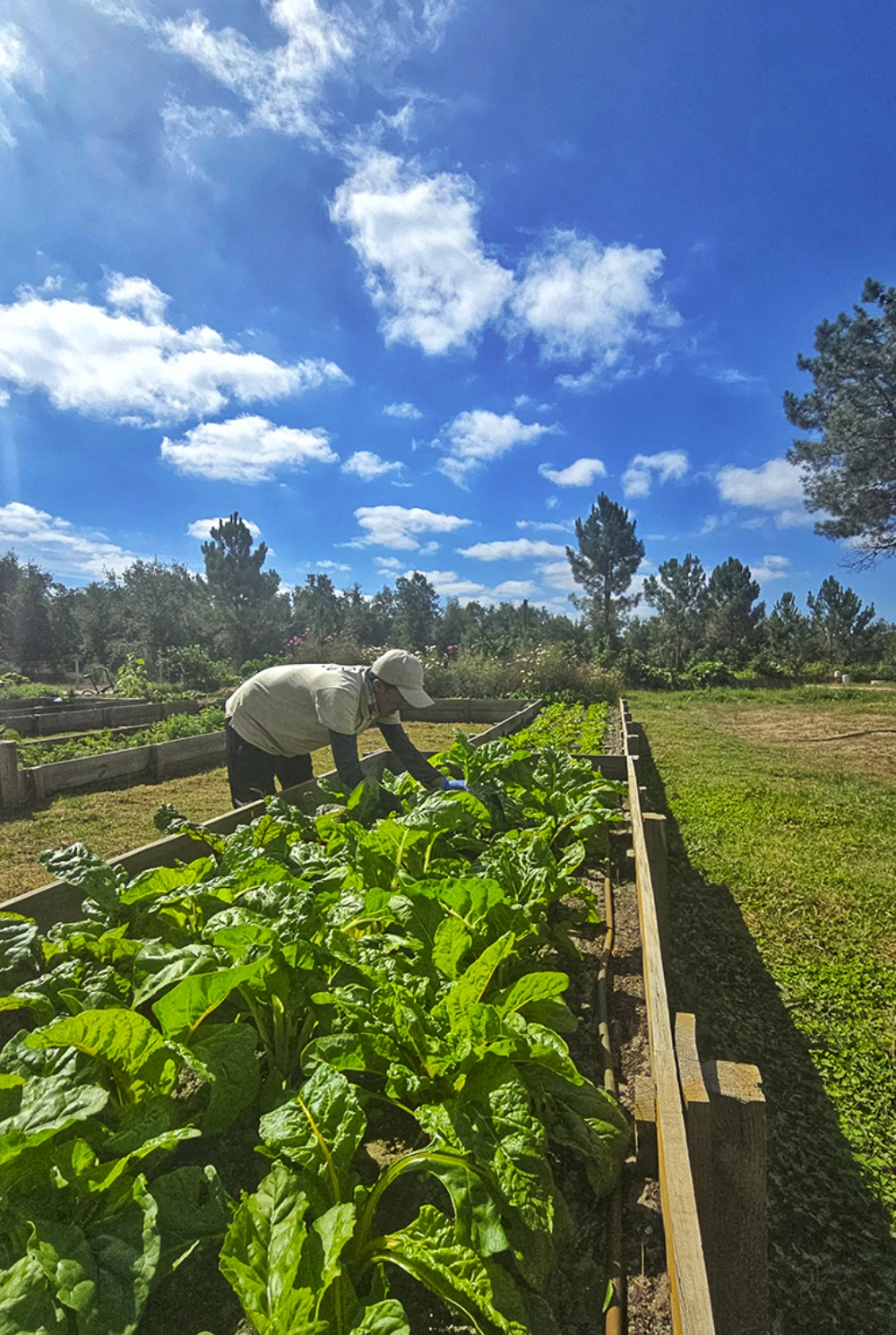
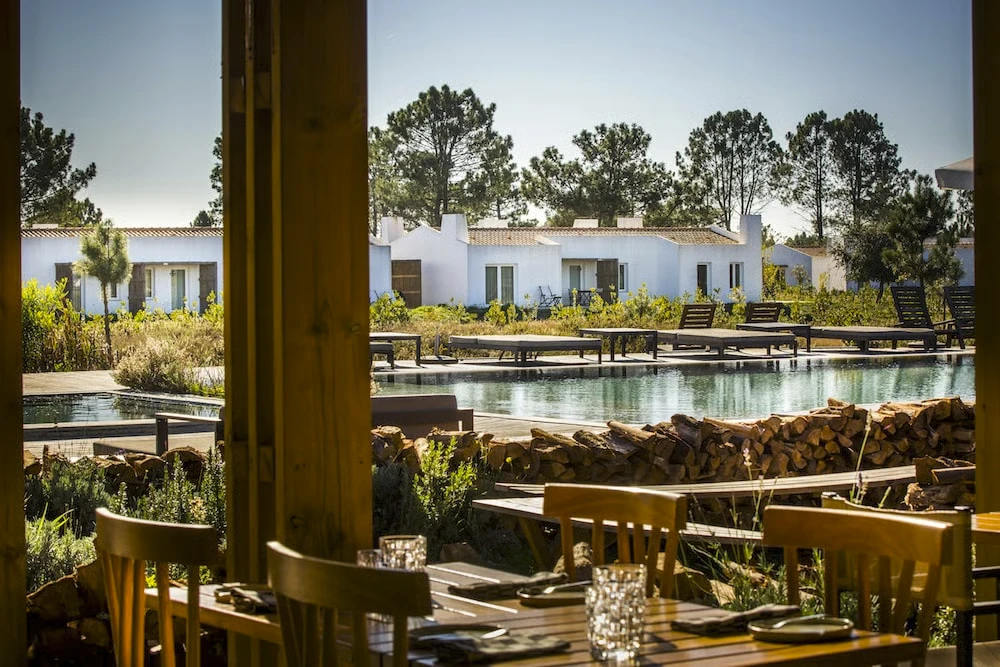
Smaller and more rustic than Barrocal and laser-focused on the food. The FarmTable restaurant at Craveiral Farmhouse sources 70 percent of its ingredients from the property’s own organic farm and orchard, with the rest coming from local producers. Guests join harvests, care for animals, and pull vegetables before dinner. The kitchen composts its waste back into the farm, running a genuinely closed loop. Wood-fired pizzas. Seasonal menus that change constantly. Traditional Portuguese dishes built from what is ready that day. The best farm-stay option in the Alentejo if budget matters.
- Location: Alentejo, Portugal
- Highlights: FarmTable restaurant (70% estate-sourced); guest harvests and animal care; genuine closed-loop composting system; wood-fired pizzas; daily-changing seasonal Portuguese menu; strong value for the region
- Perfect for: Budget-conscious farm hotel travelers, those combining two Alentejo properties, guests who want hands-on farm participation over luxury
7. Rayavadee (Krabi, Thailand)

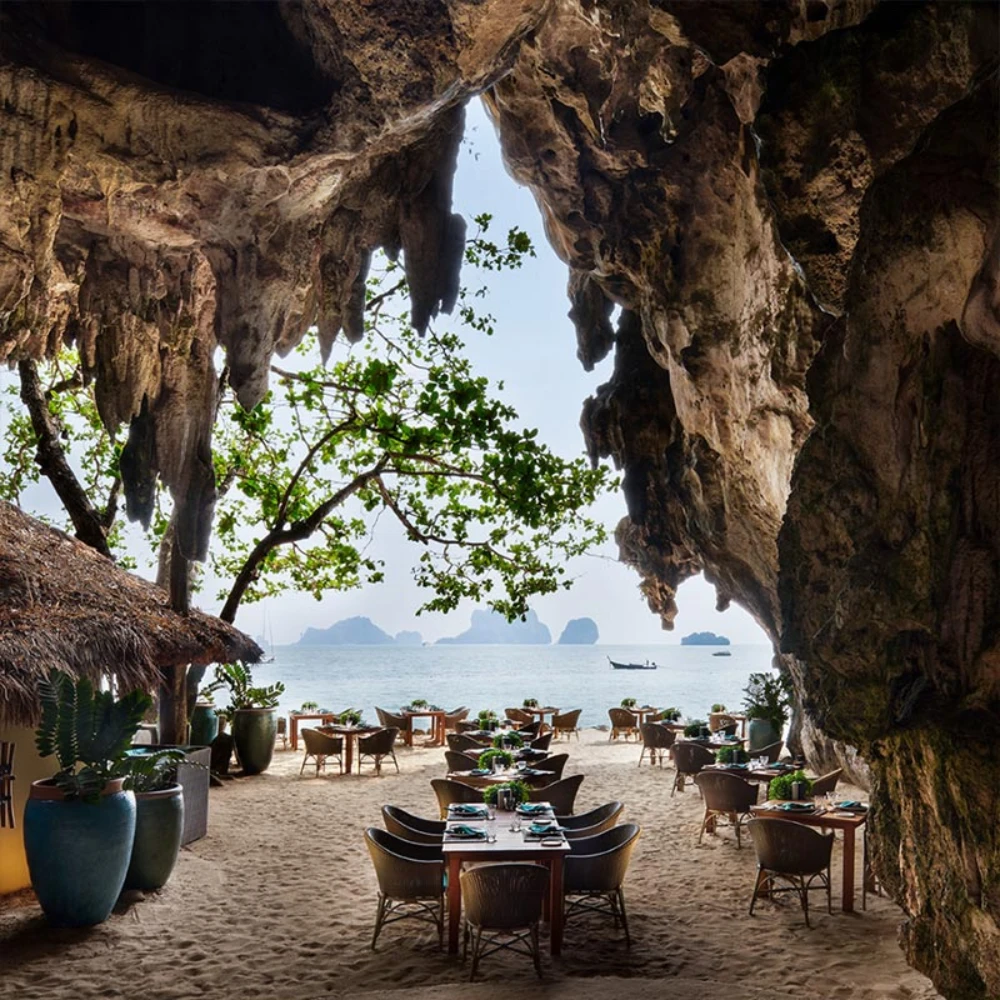
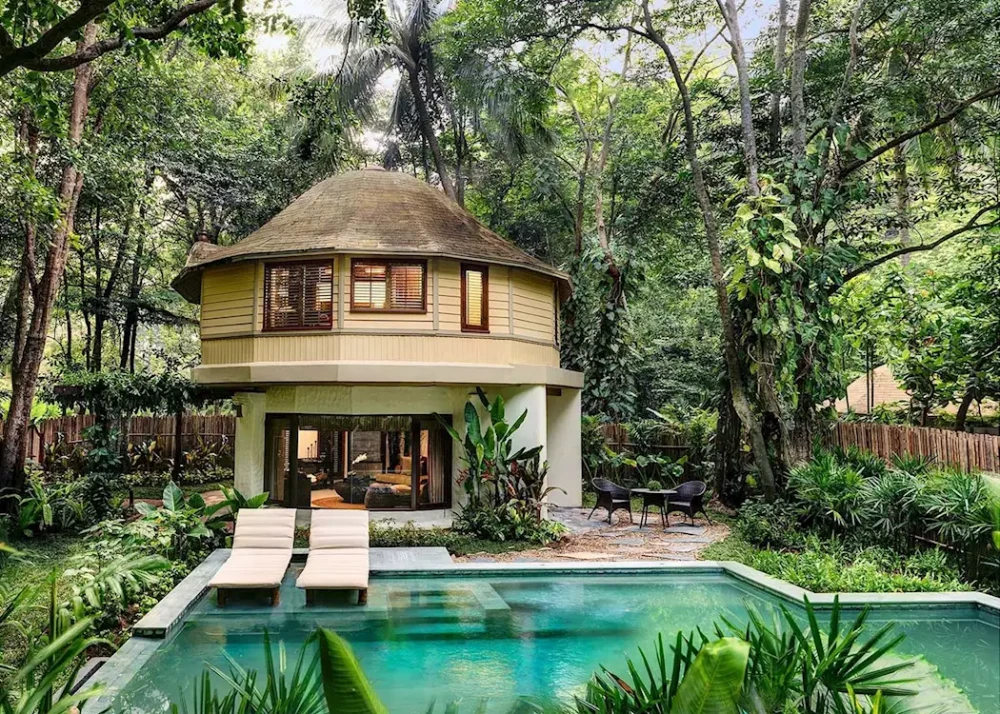
Built into the base of limestone karsts on Phranang Cave Beach, one of the most extraordinary settings of any hotel in Southeast Asia. Rayavadee runs daily-harvested culinary gardens that drive one of the better farm-to-table programs in Thai hospitality. Seafood grilled with citrus from the resort’s own trees. Curries made from pastes mixed with garden-grown ingredients. Chef-led tours that connect what you are eating to where it came from. The food could not be replicated anywhere else in the world. The setting makes sure you know it.
- Location: Phranang Cave Beach, Krabi, Thailand (accessible by boat only)
- Highlights: Daily-harvested culinary gardens; citrus groves used in cooking; garden-paste curries; chef-led garden tours; limestone karst and Andaman Sea setting; one of Thailand’s most exceptional farm-to-table programs
- Perfect for: Thailand food travelers, those who want farm-to-table in an extraordinary natural setting, couples wanting Krabi at its most private
8. Playa Viva (Juluchuca, Mexico)

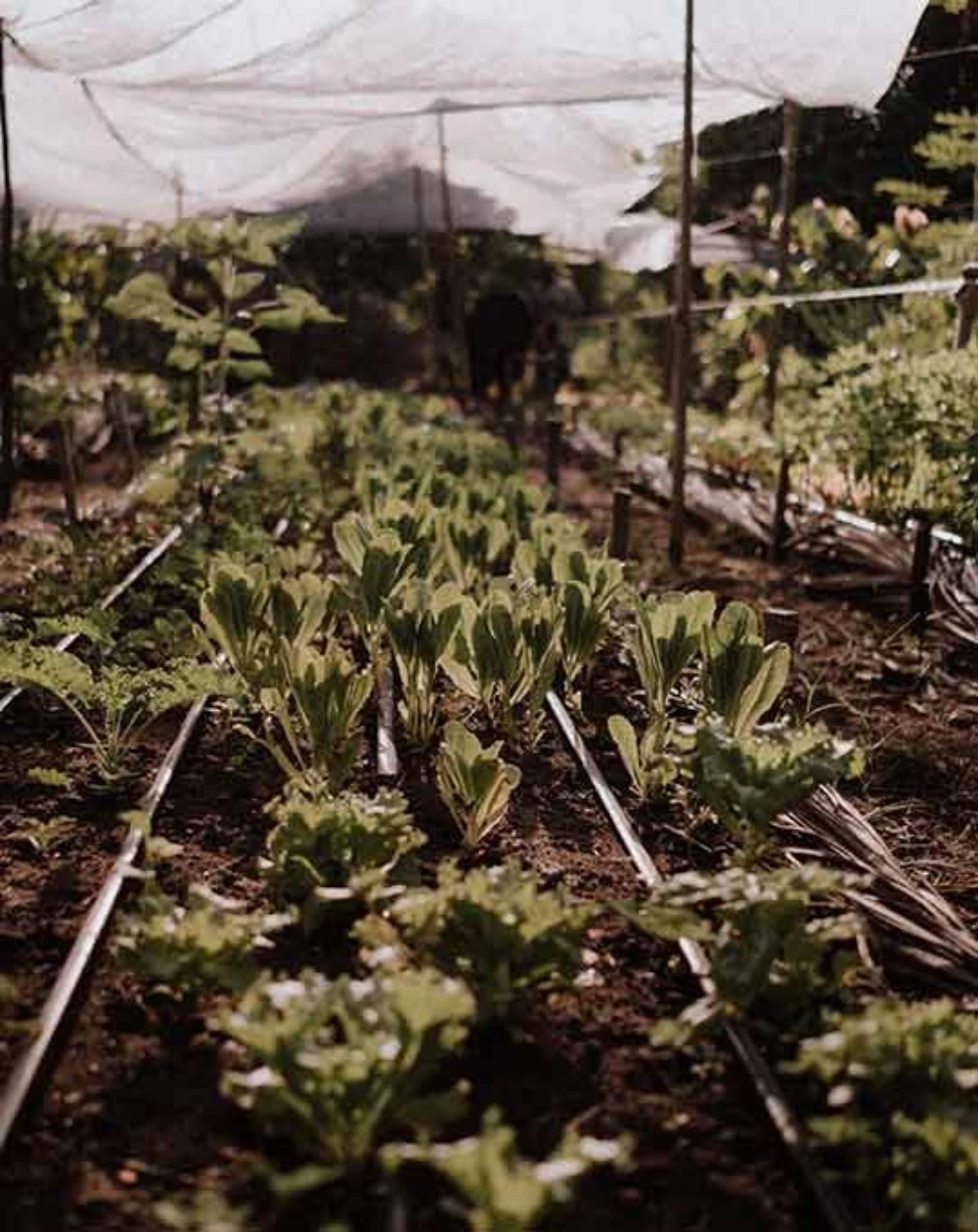
A genuine permaculture resort on Mexico’s Pacific coast: not a hotel with a garden attached, but a property designed from the ground up around regenerative agriculture. Playa Viva‘s farm produces dark greens, seeds, fresh fruits, and forest-raised animal products. Guests tour with the resident Permaculture Farm Manager. The kitchen sources coconut oil and turmeric from the Juluchuca Women’s Cooperative next door. A reforestation program runs alongside the farm. The most educationally rigorous farm stay on this list. Go if you want to understand how it works, not just eat the results.
- Location: Juluchuca, Guerrero, Mexico (Pacific coast)
- Highlights: Regenerative agriculture design from the ground up; resident Permaculture Farm Manager guest tours; Juluchuca Women’s Cooperative sourcing; reforestation program; forest-raised animal products
- Perfect for: Permaculture students, travelers who want to understand regenerative food systems, those seeking the most educationally rigorous farm stay in Latin America
9. Castle Hot Springs (Bradshaw Mountains, Arizona, USA)
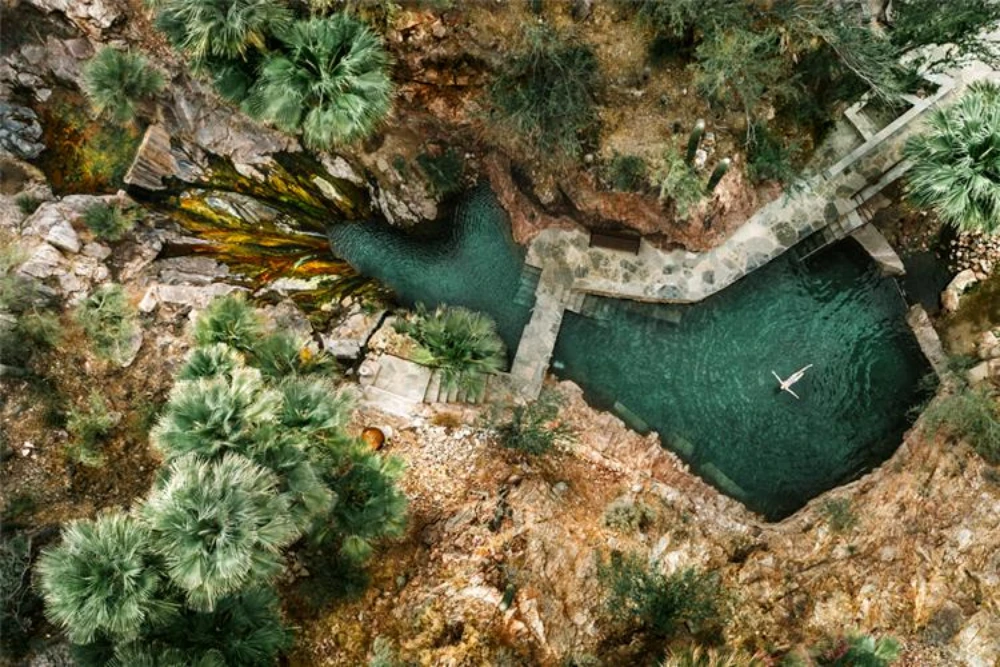
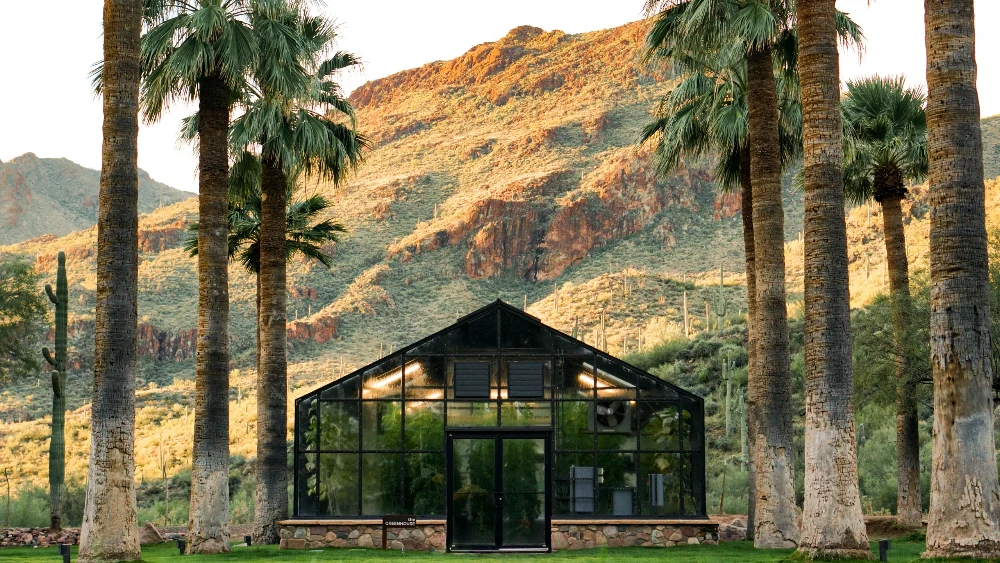
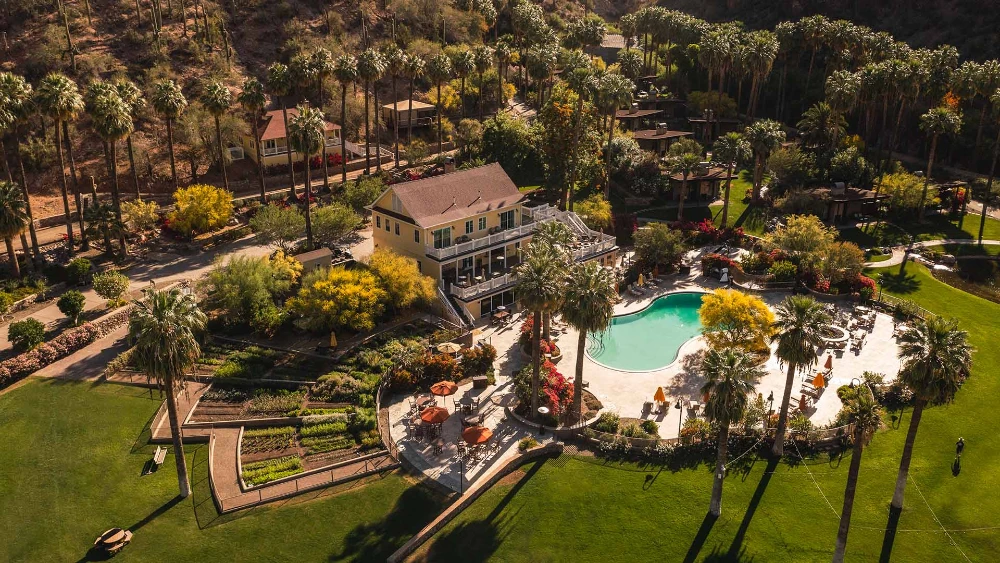
A desert resort north of Phoenix with a farm philosophy that should not work at this elevation and yet the on-site Chef’s Garden at Castle Hot Springs produces vegetables, herbs, and edible flowers year-round using a closed-loop composting system. The restaurant Harvest changes its menu weekly based on what is growing. The executive chef walks guests through the garden daily. A flower garden cultivates seasonal blooms used simultaneously in the kitchen, spa, and floral arrangements. Soaking in natural hot springs with a view of the mountain garden at dusk is the kind of experience that earns the description.
- Location: Bradshaw Mountains, north of Phoenix, Arizona, USA
- Highlights: Year-round Chef’s Garden in the desert; weekly-changing Harvest restaurant menu; daily executive chef garden walks; closed-loop composting; flower garden feeding kitchen, spa, and decor; natural hot springs
- Perfect for: Southwest US travelers, hot springs and food combinations, those who want an unexpected desert farm story
10. Eumelia Organic Agrotourism Farm (Peloponnese, Greece)
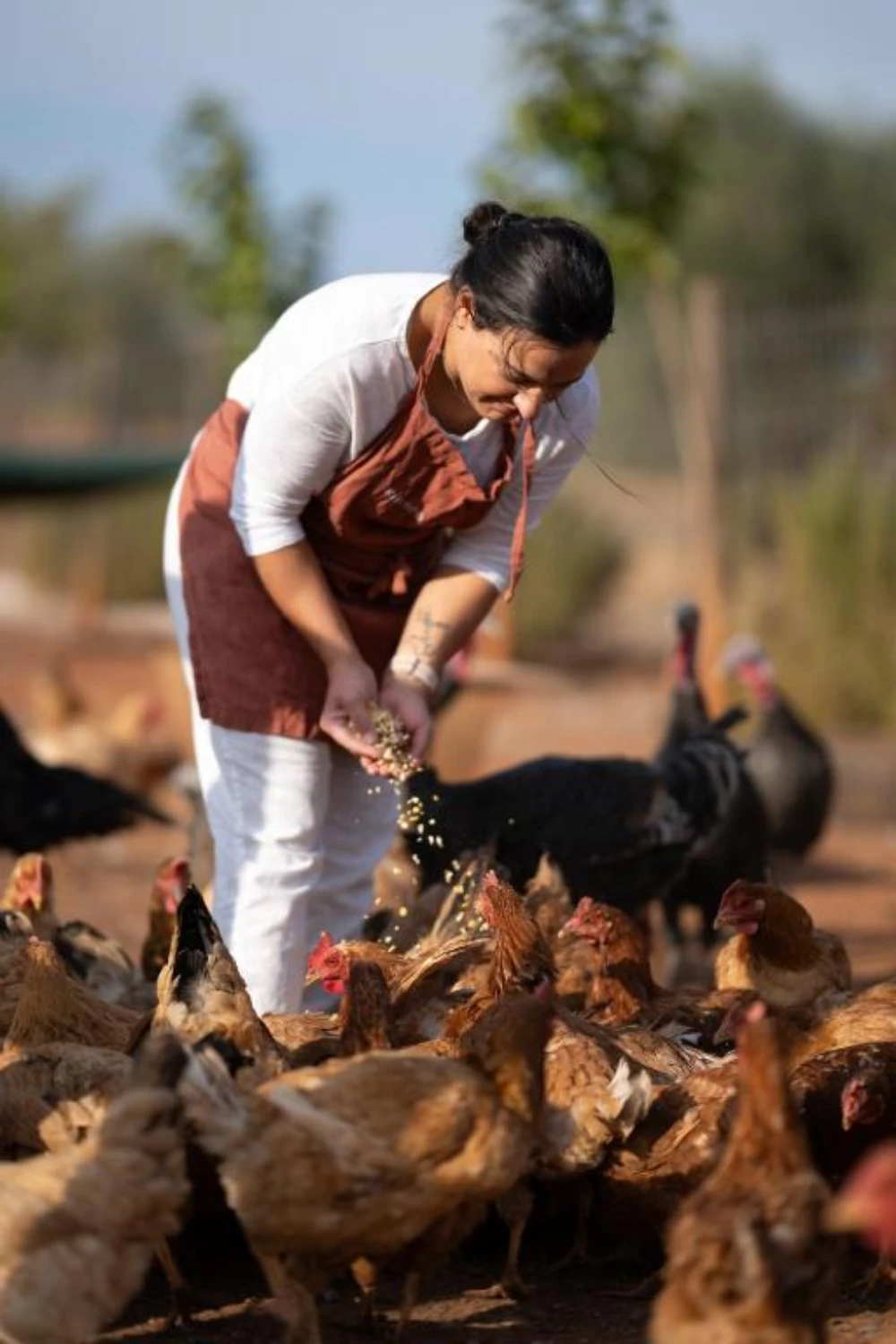
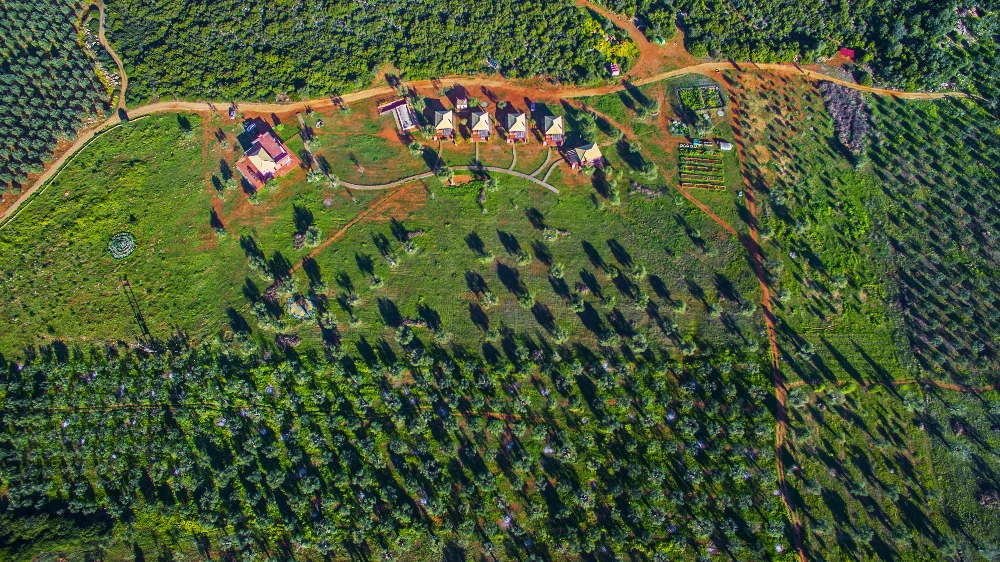
The most immersive agricultural stay on this list and deliberately the least glamorous. Eumelia Organic Agrotourism Farm is a working biodynamic farm in the Peloponnese mountains: olive groves, vineyards, rare-breed livestock, and guest rooms for travelers who want to live inside a functioning operation for a few days. Meals are zero-kilometer and largely vegetarian: estate olive oil, wine from the vineyard, seasonal vegetables, fresh cheese. Guests press grapes, harvest olives, and cook at open-air farm-to-table classes under the stars. No spa. No pool. No theater. Just extraordinary food, honest work, and ancient olive trees. Everything on your plate came from the ground you are standing on.
- Location: Peloponnese Mountains, Greece
- Highlights: Working biodynamic farm with olive groves, vineyard, and rare-breed livestock; zero-kilometer vegetarian meals; guest grape pressing and olive harvesting; open-air farm-to-table cooking classes; no spa or pool
- Perfect for: Travelers who want to live and work on a farm, not just eat the food; those seeking the most authentic agrotourism experience in Greece
Which Farm-to-Table Hotel Is Right for You?
For the definitive American farm-to-table hotel experience, Blackberry Farm is the answer: the most complete operation, the deepest culinary heritage, and a setting in the Smoky Mountains that earns every superlative. In Europe, Finca Serena is the pick for Michelin-level cooking rooted in an estate, Sao Lourenco do Barrocal for the deepest agricultural heritage, and Craveiral for the best value in the region. In Asia, Bambu Indah delivers the most hands-on permaculture education in a genuinely beautiful setting, Nihi Sumba the most remote and complete integration of farm and resort, and Rayavadee the best farm-to-table program in Thai hospitality. Playa Viva is the most educationally serious farm stay in Latin America. Eumelia is for those who want to work the land, not just eat what it produces. Castle Hot Springs is the most surprising entry: a desert property that has no business farming this well and does anyway.
FAQs About Farm-to-Table Hotels
What to Know Before You Book
– Season shapes the menu. Every property here cooks with what is growing. Research what is in season at your destination and treat it as part of the itinerary.
– Book farm activities in advance. Harvesting sessions, cooking classes, and garden tours are usually limited to small groups and sell out. Confirm before you arrive.
– Stay longer than you think. The remote properties (Nihi Sumba, Playa Viva, Bambu Indah) are designed for guests who stay long enough to eat through a full week’s harvest. Three nights is an impression. A week is the real thing.
– The quieter properties are often the best. Eumelia and Craveiral are largely unknown outside specialist travel circles. The food is still extraordinary. Go before the word gets out.
The difference between a hotel with a nice herb garden and one that actually farms its land is significant. You can taste it in the first meal. Every property here made a decision, sometimes an expensive and labor-intensive one, to put the land first and build the kitchen around what it produces. What you are booking is not just a meal. It is a place. And the food happens to be the best argument for going.

Best Travel Tips
Thinking About Working Remotely Abroad?
WhereToNomad compares 47+ digital nomad visas and matches you to the best country based on your income, passport, and priorities. Free quiz, no signup required.
Book Your Flight
Find the cheapest flight by using Skyscanner. For over a decade I've found it to nearly always offer the best deals.
Book Your Accommodation
You can book your hotel or guesthouse with Agoda as it consistently has the best rates.
Always Use Travel Insurance
Travel insurance safeguards you against illness, injury, theft, and cancellations, providing peace of mind if anything goes wrong. My top pick for excellent service and value is SquareMouth (best for all age groups.)
Need Help Finding Activities for Your Trip?
- Economy to Mid-Range
- TripAdvisor
- Go With Guide Mid-Range to Luxury
- TRAFALGAR
Stay Connected While Traveling
Cheapest Way to Transfer Money
I've been using XE for all my international money transfers, and it's been a game changer. The fees are super low, and I get the real exchange rate which saves a lot. The normal fee is usually just a couple dollars per transaction.
Ready to Book Your Trip?
Take a look at my resource page for top travel companies and tips. I've listed all my personal favorites that I've used over years of full-time travel, each best in class, so you can't plan your trip wrong!