Last updated on August 9th, 2026
In an age defined by haste and rapidity, traveling has finally become a slow activity, perhaps the most important development for the world of tourism. No one today wants to cross off sights from their list and hurry through crowded tourist spots just to post a picture online. People are looking for something more profound, an experience, an interaction, a personal journey. And that is precisely what slow travel delivers. And for a nation like India, so steeped in cultural diversity and rich in history, the concept of slow travel is going to revolutionize its tourism industry.
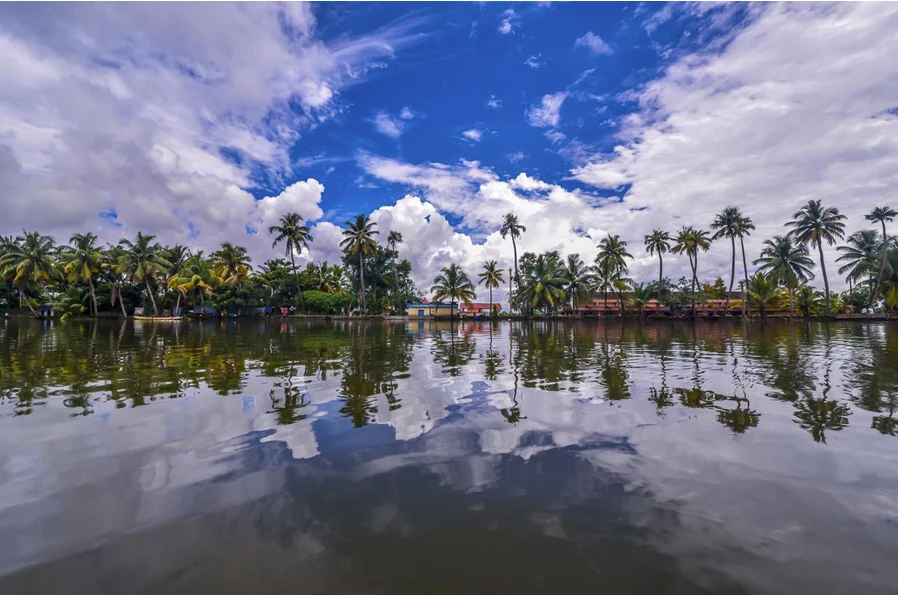
India is a destination worth spending time on. It has the tranquil backwaters of Kerala, the spiritually charged streets of Varanasi, and the pristine rural communities of Rajasthan. There is much more to see in India than what can be crammed into a hurried schedule.
What Is Slow Travel?
Slow traveling is just what the name suggests, i.e., traveling slowly but deliberately. Instead of making time for five cities in one week, they make time for fewer cities. They get acquainted with different localities, connect with the local population, and savor the local cuisine.
The reason why people opt for this style of travel is that modern-day tourists have become increasingly fed up with their hectic lifestyles. Most of them are in desperate need to unplug themselves and experience something new and refreshing. As opposed to running around visiting all the tourist hotspots of India, a slow traveler would enjoy staying a bit longer at one particular spot.
For instance, in place of moving to another city after one day of sightseeing in Jaipur, he/she will choose to stay for some more days to acquaint himself/herself with the city properly.
Why India Is Perfect for Slow Travel
Indians, by nature, resonate well with the concept of slow travel. The country comprises layers of culture, language, geography, and experience which can be truly savored only when one slows down.
Think about sitting by the banks of the Ganges River in Varanasi during dawn, indulging for days in tea plantation tours in Darjeeling, or staying in a homestay in the Himalayas which have an entirely different lifestyle. All of these experiences must be enjoyed leisurely.
The special feature about India is that each state feels like a whole new world. The cuisine in Punjab, spirituality in Uttarakhand, beaches in Goa, and history in South India – all create different experiences. It is the slower tourists who get to learn more about India beyond its famous destinations.
Travelers Want Authentic Experiences
The travel industry has witnessed significant transformations in recent years. The modern traveler cherishes authenticity rather than opulence. They seek stories rather than pictures.
Rather than hopping on a big bus tour, today’s traveler seeks village visits, wellness trips, cultural workshops, and eco-tourism. They want to explore cooking techniques from locals, interact with artists, participate in festivals, and immerse themselves in daily activities.
That is why slow travel is booming in India. It is a land of infinite possibilities, brimming with opportunities to have authentic experiences that foster a deep bond with places.
However, organizing such trips may seem daunting for many foreign travelers, given the sheer geographical and cultural enormity of the country. That is when the assistance of a good India DMC comes into play. An experienced local travel operator can craft itineraries that offer authentic experiences, making sure that everything else is taken care of along the way.
If you want to explore India outside mainstream tourism, it helps to collaborate with an expert like India Travel Etc.
Sustainability Matters More Than Ever
Yet another factor behind the popularity of slow travel for the future of tourism in India is sustainability. Conventional mass tourism can put the local community, nature, and heritage under considerable strain. The environment and the authenticity of the destination can be severely affected by overcrowding.
Slow travel promotes sustainable tourism practices, which have a positive impact on the destination as well as the local community. Travelers who remain at one destination for an extended period of time are more likely to engage with local businesses, local accommodation providers, artists, and local cuisine.
Ladakh, Kerala, and the Northeast region are some examples of areas where sustainable tourism practices have become increasingly popular among tourists.
Wellness and Meaningful Travel Are Rising
Travelling is now not only about sightseeing but also about wellness. Following decades of hectic living, wellness is becoming more important than ever as a way to rejuvenate oneself.
Indian culture is known for practices like yoga, meditation, Ayurveda, and spirituality. This makes slow travel a very fitting form of travelling because it focuses on mindfulness and introspection.
From relaxing in a wellness retreat in Kerala to taking up yoga in Rishikesh, one can experience a lot of wellness-based activities.
The Future of Tourism in India
However, in the coming years, the future of Indian tourism will not solely depend on the luxury hotel stays and overcrowded sightseeing tours. Instead, the future of Indian tourism will be all about having authentic and memorable experiences.
Slow travel is exactly that.
It gives travelers the chance to understand the complexities, beauty, and richness of the culture of India that fast-paced tour programs simply cannot offer.
With the continuous growth in the number of tourists who desire to have authentic and sustainable travel experiences, slow travel could very well shape the future of Indian tourism in years to come.
Any traveler who wishes to explore India in a unique and unforgettable manner needs to collaborate with the services of an India DMC.